In the world of decentralized finance in March 2026, one name dominates the conversation whenever serious trading comes up. While you might hear whispers of lesser-known platforms like OneSwap, the market leader remains Uniswap is a leading decentralized exchange protocol built on Ethereum. As of early 2026, it handles roughly $1.8 billion in daily trading volume across thirty-eight blockchain networks. If you are looking to trade crypto without handing your keys to a bank, understanding this platform is essential.
This isn't just another coin swapping tool. It anchors price discovery across DeFi for major token pairs. Whether you want to swap stablecoins or manage large institutional portfolios, you need to know how this system works before connecting your wallet.
Understanding the Core Architecture
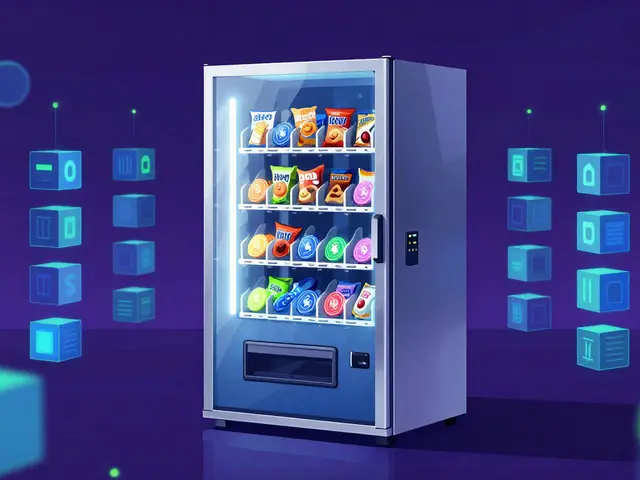
To grasp why Uniswap holds such power, you must understand its engine. Unlike traditional stock markets that use order books matching buyers and sellers, this protocol uses an Automated Market Maker (AMM) model. Imagine a vending machine instead of a shop counter. You don't ask a shopkeeper for the price; you insert tokens into a pool, and the algorithm determines what you get back based on the ratio of assets inside.
Liquidity providers deposit paired tokens into smart contract pools. When you make a trade, you aren't dealing with another person directly. You interact with the math. This design eliminates the need for intermediaries and creates permissionless access. Anyone with an internet connection can list a token or execute a trade. This architecture supports approximately 8,400 active liquidity pools as documented in 2026 data.
The evolution of this technology has been rapid. We started with V1 in 2018, which introduced the basic AMM model. V2, released in May 2020, brought support for ERC-20/ERC-20 pairs. V3 in 2021 implemented concentrated liquidity, allowing capital efficiency to improve by up to 4,000 times. Now, with V4 launching fully in Q4 2025, the system includes 'hooks'-code snippets that let developers customize pool behavior for specific needs. This means the platform adapts faster than competitors who rely on rigid structures.
Fees and Operational Costs in 2026
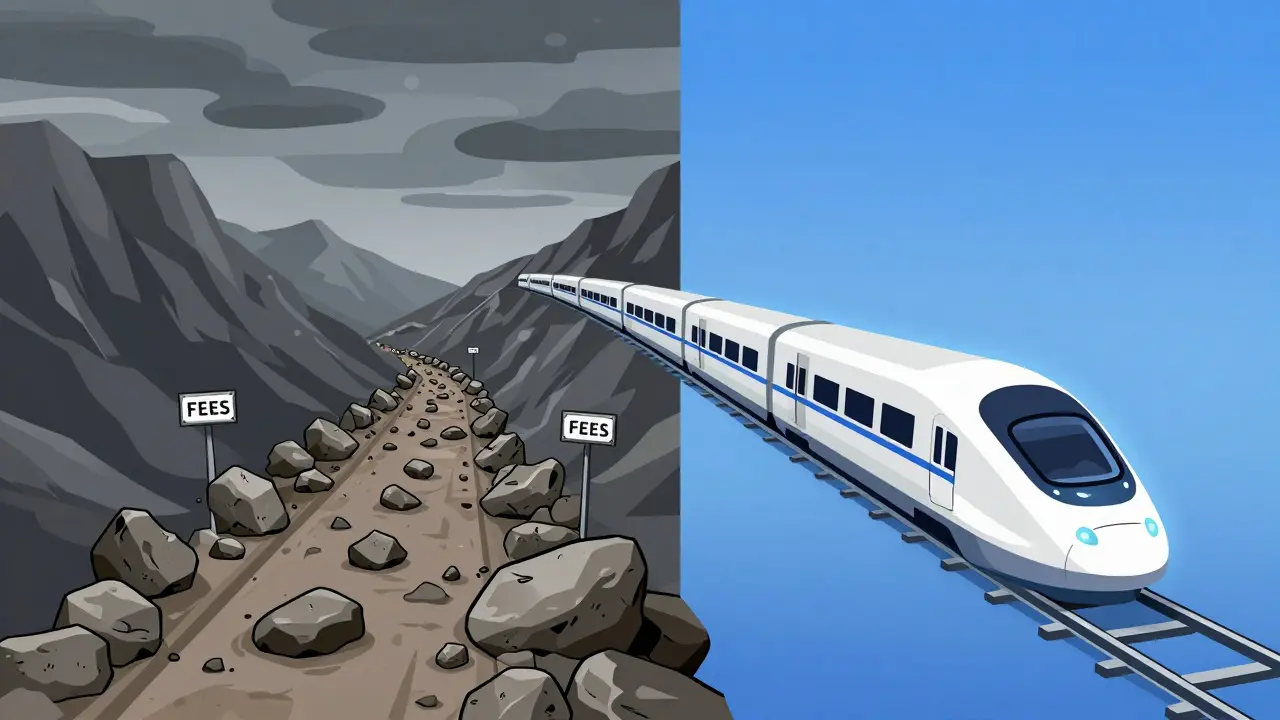
Cost is a major friction point for many users. When you swap assets, you pay two types of fees. First, there are trading fees charged by the protocol itself. These range from 0.01% to 1.0% depending on the volatility of the pool. Stablecoin pairs usually sit at the lower end, while volatile exotic tokens cost more to swap.
The second cost is the network fee, commonly known as gas. This varies drastically depending on where you execute the trade. On the Ethereum mainnet, a typical swap might cost between $2.00 and $15.00 per transaction due to high congestion. However, moving to Layer 2 networks changes the equation entirely. Networks like Arbitrum, Optimism, Base, and Polygon offer fees between $0.50 and $2.00 per transaction. In 2026, savvy users rarely touch the mainnet unless they absolutely must.
| Network | Avg. Swap Cost | Transaction Speed | Security Model |
|---|---|---|---|
| Ethereum Mainnet | $2.00 - $15.00 | Fast (12 sec) | Native Proof-of-Stake |
| Arbitrum | $0.50 - $1.50 | Fast (12 sec) | Optimistic Rollup |
| Polygon | $0.10 - $0.50 | Very Fast | Sidechain (PoS) |
Security Risks and User Responsibility
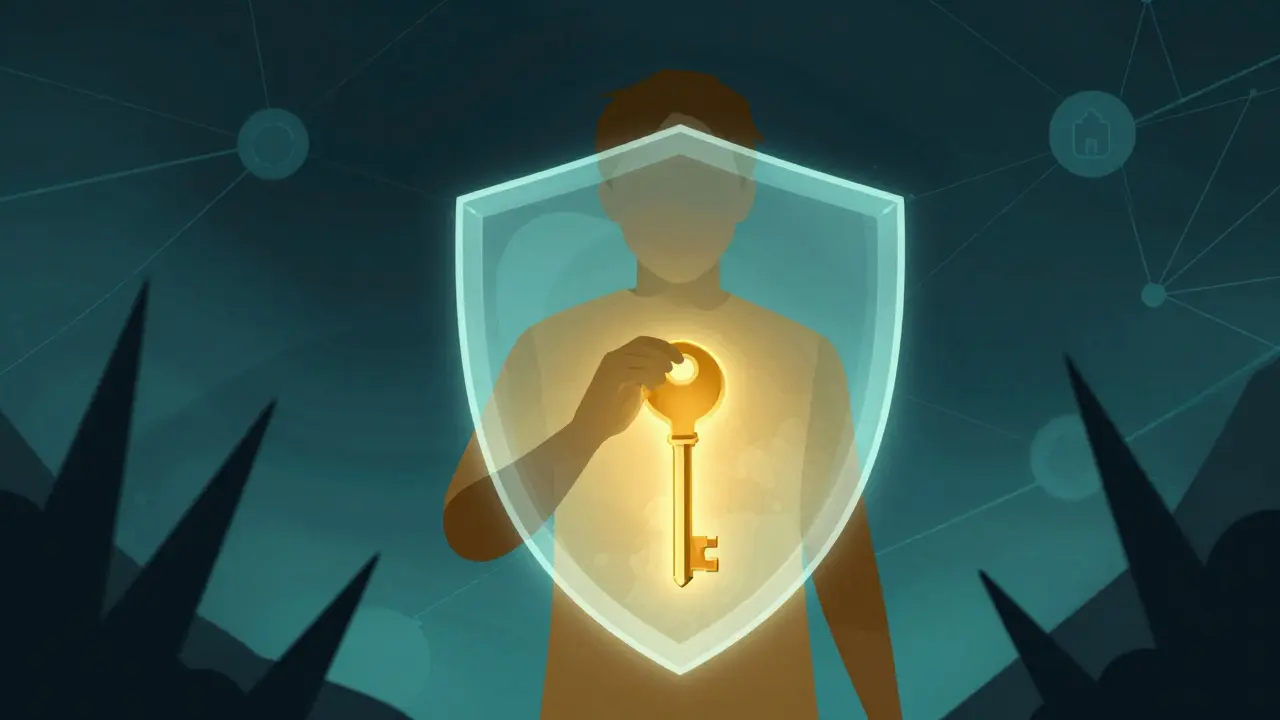
Freedom comes with responsibility. Security assessments from Trail of Bits confirmed that the core contracts are battle-tested and secure. However, the biggest risk isn't the code-it's the user. Approximately 74% of user losses in 2025 stemmed from front-end phishing and malicious token approvals rather than protocol exploits.
When you connect your wallet, the interface often asks you to approve a token permanently. A careless approval grants unlimited spending power to a specific contract. If that contract turns malicious later, your funds are drained. In Q3 2025, unlimited token approvals accounted for 23% of DeFi losses. Always limit your approval to the specific amount you need to swap.
Another common issue is slippage tolerance. This setting tells the network how much price change you accept during execution. If you set it too wide, MEV (Miner Extractable Value) bots might sandwich your trade, degrading execution quality by 0.5% to 2.5%. For stable pairs, a slippage of 0.5%-1.0% is standard. For volatile pairs, you might need 0.8%-2.0%. Setting these incorrectly is the number one cause of failed transactions.
How to Execute Your First Swap
Getting started requires minimal setup. You do not need to sign up for an account or verify your identity. The barriers are technical rather than bureaucratic. Follow these steps to begin:
- Install a Web3 Wallet: Download MetaMask or Trust Wallet. These act as your interface to the blockchain.
- Select Your Network: Ensure your wallet is connected to the same chain as the asset you want to trade. Switching to Arbitrum or Base often saves on gas fees.
- Connect to the Interface: Visit the official site and click 'Connect Wallet'. Verify the URL carefully to avoid phishing sites.
- Approve Tokens: The first time you spend a token, you must approve the contract. Watch the 'Limit Approval' checkbox.
- Set Slippage: Adjust the settings gear icon to fit the volatility of your asset pair.
- Confirm Transaction: Sign the pop-up in your wallet and wait for the on-chain confirmation.
User analytics show that 87% of first-time users complete their initial swap successfully. However, only 34% proceed to provide liquidity. Providing liquidity adds complexity involving impermanent loss management, so sticking to swapping is recommended for beginners.
Comparison With Alternatives
While Uniswap leads in total value locked (TVL) with over $4.2 billion, it isn't always the best tool for every job. Competitors like SushiSwap and Curve occupy different niches. SushiSwap offers broader features including lending and derivatives, with a TVL of around $1.1 billion. Curve focuses on stablecoins, offering near-zero slippage for assets like USDC or DAI.
If you need to swap volatile tokens like ETH to USDC, Uniswap usually offers the tightest spreads. For large institutional swaps exceeding $500,000, Uniswap's depth handles the volume with minimal impact on price. If you prefer centralized-style features like stop-loss orders, however, neither Uniswap nor other DEXs currently provide those natively. Centralized exchanges remain better for users needing fiat ramps or customer support hotlines.
Regulatory Landscape and Future Outlook
The legal environment remains fluid. In November 2025, Uniswap Labs settled an SEC fine of $2.5 million regarding unregistered securities offerings linked to certain token listings. Despite this, the protocol itself remains permissionless and non-custodial. Regulatory pressure is shifting towards gateways rather than the open protocol code.
Looking ahead to the rest of 2026, the roadmap includes Smart Order Routing 2.0. This feature optimizes cross-DEX trades automatically, potentially reducing costs further. Analysts forecast annual protocol revenue hitting $82 billion by December 2026. Institutional adoption is accelerating, with 78% of institutional participants using the platform for treasury management. If you value control and understand the trade-offs, this ecosystem remains unmatched. But if you want built-in safety nets, you might still prefer a regulated custodian.
Is Uniswap safe to use?
Yes, the core code is audited and secure, but the risk lies in user error. Phishing and malicious token approvals caused most losses in 2025. Always double-check URLs and limit token allowances.
Does Uniswap charge KYC?
No KYC is required. You do not need to upload ID photos or personal details. Access requires only a Web3 wallet compatible with the network you are using.
Which network is cheapest for trading?
Layer 2 networks like Arbitrum, Base, and Optimism offer the lowest fees, typically under $1.00 per transaction, compared to higher costs on Ethereum mainnet.
Can I recover lost funds?
There are no account recovery options. If you lose your seed phrase or send funds to the wrong address, they are gone forever. This design removes intermediary risk but eliminates safety nets.
What is the difference between V3 and V4?
V3 introduced concentrated liquidity for capital efficiency. V4, released in 2025, added 'hooks' for customizable pool behaviors and gasless swaps via UniswapX.
Nicolette Lutzi
The SEC settling for $2.5 million proves they know how soft the targets are. Anyone paying attention sees this isn't about protecting users it is about revenue streams for the regulators themselves. They fining companies while leaving the protocol open means they just want a cut of the action eventually. Trust the math not the government telling you what is legal in this space. Uniswap remains free but the front ends are being squeezed hard by these bureaucratic hands. We need to stay off mainnet to avoid their gaze entirely. This is a test of whether decentralization can survive regulatory pressure. Keep your keys private and never share them with anyone.
Sam Harajly
The daily volume figures presented here are quite impressive considering the macroeconomic climate. It is interesting to note the shift toward Layer 2 solutions for cost efficiency. The transition to hooks in version four seems like a natural evolution for developers seeking customization. Liquidity concentration does appear to solve the capital efficiency problem effectively. Users should be mindful of the gas variance depending on network congestion levels. Overall the architecture remains robust despite the external noise surrounding crypto assets.
Pradip Solanki
you guys are missing the point about bonding curves completely the constant function xy=k is outdated compared to dynamic fee tiers that adjust to volatility in real time v4 hooks allow for custom arithmetic that bypasses standard oracle reliance which changes the risk profile for liquidity providers significantly if smart contract dev knows what he is doing otherwise you get reentrancy attacks on the hooks implementation itself i see too much faith in audit firms anyway trail of bits is great but human error in deployment logic is unavoidable and MEV bots will find the arbitrage vector before you even sign the tx hash
YANG YUE
We live in a vending machine society where inputs dictate outputs without human mediation. It is poetic that trustless systems mirror the universe indifference to individual desire. When you swap tokens you are negotiating with mathematics rather than greed. This detachment from human intent removes bias but also removes mercy. Perhaps the next step is AI governance of these pools to further remove friction. We are becoming the interface between data streams and financial outcomes. Freedom is absolute but it leaves you alone with your choices.
Mohammed Tahseen Shaikh
Listens up because I am only saying this once before you lose everything online. Unlimited token approval is the digital equivalent of giving your house keys to a stranger on the street. You see the green check box in MetaMask and you click it without thinking about the implications later. Malicious contracts drain wallets days after you approved the limit because they waited for funds to accumulate. Always set a max allowance amount for the specific transaction value you intend to spend right now. Do not trust the UI suggestions because they are designed for speed not security. Your seed phrase is the ultimate vulnerability point so write it down physically on paper offline.
Kayla Thompson
This fear mongering is why most retail investors never reach potential profitability. Real users understand the risk and operate accordingly without needing hand holding guides. If you cannot manage basic permission settings you do not deserve to hold digital assets. The elitist reality is that sophisticated players know how to revoke approvals efficiently. Stop acting like victims and learn the toolset properly.
Florence Pardo
It really hurts to see so many people get drained because they did not check the token approval settings. I remember back in 2024 when I lost three hundred dollars to a phishing link that looked exactly like the real site. The panic you feel in that moment is indescribable and stays with you for years. We have to accept that we are our own banks now and nobody will ever give us our money back. The article mentions the seventy four percent loss statistic which actually feels conservative to me personally. I know friends who simply clicked the wrong button during a high stress trading session. Education is the only real defense against these kinds of predatory mechanisms in the market. It frustrates me that protocols keep pushing for complexity instead of safety defaults for beginners. Everyone thinks they are smarter than the code until they get sandwiched by a bot. You have to respect the math because the math does not care about your feelings or your portfolio balance. Layer two networks help save money but they do not fix the fundamental issue of user negligence. We all want easy gains but the path to those gains is paved with caution and verification steps. It is better to trade small amounts on Arbitrum until you master the wallet permissions completely. Once you understand the risk you can handle the power that comes with non custodial access. This ecosystem will grow despite the mistakes because the technology itself is robust.
Alicia Speas
Your perspective highlights a critical area where community support can make a significant difference. Many newcomers struggle with these technical nuances and require guidance rather than harsh criticism. Patience and mentorship within the forums could reduce accidental losses substantially. It is encouraging to see such honest reflections on personal experiences shared openly. Building a culture of verification helps protect everyone involved in the network. We should focus on educational resources that empower users without overwhelming them. Safety measures must evolve alongside the technology to remain effective.
Mike Yobra
Funny how the SEC settles fines then expects everyone to pretend the threat went away completely. You pay the bill and keep trading like nothing happened under the rug. Regulations are just another form of friction that the market prices into gas fees naturally. Nobody reads the terms of service anyway so why worry about the settlement details. It is just another day in paradise for the blockchain maximalists out there.
Tony Phillips
I think it is great to see the platform adapting to different chain environments seamlessly. The ability to choose lower fees on Base or Polygon makes experimentation much safer for regular folks. Seeing institutional adoption rise gives me hope that this is a lasting infrastructure shift. We are all part of building something useful here together. Keep exploring the tools and stay curious about the updates coming next quarter.
Abhishek Thakur
You might want to consider cross-chain bridging latency as well as gas costs when planning execution strategy. Slippage tolerance on L2 varies wildly depending on bridge throughput capacity at the moment. Optimistic rollups generally settle faster but sidechains can offer cheaper immediate finality for smaller trades. Understanding the underlying consensus mechanism helps predict when a transaction might lag in confirmation status. Always verify bridge asset availability before initiating large transfers across chains.
Jackie Crusenberry
Just tired of reading another whitepaper.
Shelley Dunbrook
The irony of demanding compliance while celebrating censorship resistance is truly delightful. Regulatory bodies try to define boundaries that code refuses to recognize by design. It serves as a reminder that digital sovereignty is a privilege few fully grasp yet enjoy. We watch them attempt to legislate algorithms that operate beyond jurisdiction. A charming spectacle of bureaucracy meeting mathematical certainty.
Aman Kulshreshtha
If you are new just switch your wallet network to Base right now. Gas is super cheap like pennies and speed is instant for swaps. I use it daily for moving stablecoins around without pain. Dont waste money on eth mainnet unless you need specific security features. Layer 2 is the future and its already here working perfectly.
manoj kumar
You must understand that using these tools carries inherent ethical responsibilities regarding market integrity. Speculation creates volatility that affects real economic stability in the broader system. Individuals must act with discipline to prevent harmful cascades in liquidity pools. Greed drives much of the damage seen in recent history regarding user funds. We ought to prioritize security over convenience in every single transaction we make online. Ignoring these principles leads to inevitable ruin for the careless participant. Integrity matters even in decentralized spaces where oversight is minimal or non existent.
JOHN NGEH
I hear what you are saying about integrity and personal discipline. It is true that self-regulation keeps the ecosystem healthier in the long run. Many overlook the collective impact of individual actions on pool stability. We should all strive for better practices when handling assets online.
Jenni Moss
WAIT until you realize what happens if you get phished again! Its scary to think how fast money vanishes in this space! You need to scream warnings to everyone you know immediately! The stakes are so high and the consequences are absolutely devastating! Please protect your family and yourself with backups!
Dheeraj Singh
i thnk teh base netwrk is good bts u shd chek d gas frst bfr u swop teh fies change fast dont get tricked on teh wrong url man its frekn scary out ther eople lose coins easily evry day.