What if you could hold, trade, or sell your crypto without paying a single cent in capital gains tax? It’s not a fantasy. As of 2025, over a dozen countries have built legal frameworks that let you keep 100% of your crypto profits - no reporting, no withholding, no surprises at tax time. But here’s the catch: zero-tax crypto doesn’t mean zero rules. Some require you to hold for a year. Others only apply if you’re not trading daily. A few demand you move there permanently. This guide cuts through the noise. It tells you exactly where you can legally avoid crypto taxes, what you actually need to do to qualify, and which places are worth your time - or your relocation.
Switzerland: The Quiet Leader in Crypto Stability
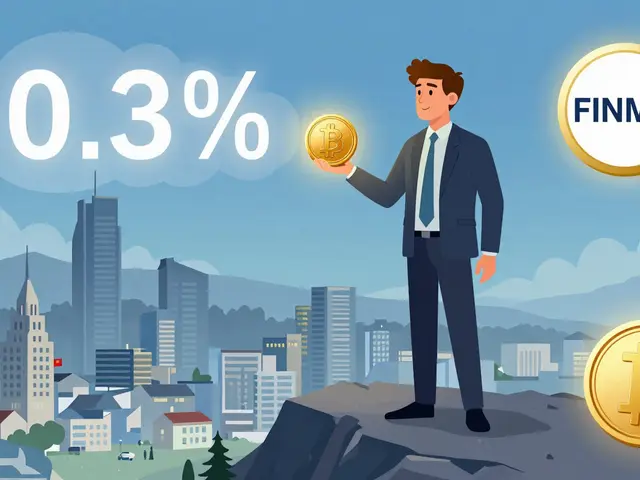
Switzerland isn’t flashy, but it’s the most trusted place in the world for crypto investors. At the federal level, capital gains from crypto are tax-free. That means if you bought Bitcoin in 2020 and sold it in 2025 for a 500% profit, you owe nothing. No forms. No declarations. Just the money in your wallet. But there’s a layer most people miss: wealth tax. Switzerland taxes your total net worth - including crypto - at the cantonal level. That’s where things get nuanced. In Zug, home to Crypto Valley, wealth tax rates are among the lowest in Europe. If you’re sitting on $2 million in crypto, you might pay 0.3% annually. In Zurich, it could be 0.8%. Still, that’s far less than the 20-37% you’d pay on gains in the U.S. or Germany. The real advantage? Regulatory clarity. FINMA, Switzerland’s financial watchdog, treats crypto as a private asset, not a security - unless it’s structured like one. ICOs, DeFi protocols, and crypto exchanges all operate under clear, published guidelines. That’s why companies like Ripple and Polygon chose Zurich over New York or London. You don’t just avoid taxes. You avoid legal risk.Singapore: Asia’s Crypto Powerhouse
Singapore doesn’t just tolerate crypto - it actively courts it. The city-state has no capital gains tax for individuals. That’s it. No holding periods. No transaction limits. If you trade Bitcoin every day and make $100,000 in profit, you keep it all. No questions asked. This isn’t a loophole. It’s policy. Singapore’s tax code doesn’t classify crypto as a capital asset. Instead, it treats it like foreign currency - and gains from currency trading aren’t taxed. That’s why KuCoin, Phemex, and other major exchanges have their regional HQs here. The downside? You can’t live here for free. Singapore has high living costs, strict residency rules, and no easy path to citizenship. But for investors who already have global income or work remotely, it’s the most efficient place in Asia to store and trade crypto. Plus, the banking system is stable, secure, and fully supports crypto businesses. If you want a zero-tax crypto hub with global connectivity, Singapore is the answer.United Arab Emirates: The $30 Billion Bet
In 2024, the UAE handled over $30 billion in crypto transactions. That’s more than Germany, Japan, and Canada combined. Why? Because the UAE offers zero income tax, zero capital gains tax, and zero VAT on crypto - for individuals and businesses alike. Dubai’s Virtual Asset Regulatory Authority (VARA) is the most advanced crypto regulator in the world. It doesn’t just allow crypto businesses - it licenses them. You can register a crypto company in Dubai in under 30 days. The DMCC free zone even offers crypto-specific licenses, bank accounts, and office space designed for blockchain startups. The biggest signal? In March 2025, Abu Dhabi’s sovereign wealth fund, MGX, invested $2 billion in Binance. That’s not a gamble. It’s a declaration: the UAE is betting its economic future on crypto. And they’re not stopping. They’ve launched blockchain degrees at Khalifa University and host the Future Blockchain Summit every year. If you’re building a crypto business, this is the place to be.El Salvador: The Bitcoin Nation
El Salvador didn’t just adopt Bitcoin. It rewrote its entire economic identity around it. Since 2021, all Bitcoin transactions - buying, selling, holding, spending - are completely tax-free. Not just for residents. For anyone. Even tourists can cash out Bitcoin at ATMs and walk away with zero tax. The government’s next move? Bitcoin City. A $1 billion, geothermal-powered metropolis built on the edge of a volcano. No income tax. No property tax. No capital gains tax. Miners, developers, and investors can live and work here, paid in Bitcoin, and never file a tax form. The city is already attracting over 200 startups, with construction underway as of early 2026. Is it risky? Absolutely. The economy is small. Infrastructure is still developing. But the legal protection is rock-solid. The Digital Assets Law, passed in 2023, guarantees these tax exemptions for at least 20 years. For long-term investors who want to escape traditional financial systems entirely, El Salvador isn’t just a tax haven - it’s a revolution.
Germany and Portugal: The 12-Month Rule
Germany and Portugal don’t offer blanket tax exemption. But they offer something better: a clear, reliable path to zero tax. If you hold crypto for more than 12 months, any profit is tax-free. That’s it. In Germany, the rule applies to all personal crypto transactions - trading, swapping, selling. The moment you hold past one year, you’re exempt. The tax office doesn’t even track your transactions unless you report them. That’s because they’re classified as private assets, not investments. Portugal follows the same model. Both countries treat crypto like a personal possession - like a car or a painting. If you keep it for over a year, you don’t owe tax when you sell. If you trade daily, you do. It’s simple. Transparent. And it works. The catch? You need to track your purchase dates. Use a crypto tax tool like Koinly or CoinTracker. Record every buy, every swap. One missed date, and you risk being classified as a trader - and taxed at up to 45% in Germany.Malaysia and Malta: Conditional Exemptions
Malaysia is tax-free - if you’re not a day trader. The Inland Revenue Board says crypto isn’t a capital asset. So if you buy Bitcoin once a year and hold it, no tax. But if you trade five times a week? That’s business income. And business income is taxed at up to 24%. Malta is similar. If you hold crypto as a store of value - like gold - you pay zero capital gains tax. But if you trade like a hedge fund, you pay up to 35%. The twist? You can reduce that to 0-5% by setting up a Maltese company and restructuring your income. But that costs $15,000+ in legal fees. Only worth it if you’re making six figures in crypto profits. These aren’t true zero-tax countries. They’re zero-tax for the right kind of investor. If you’re casual, they’re perfect. If you’re active, you’ll need to plan carefully.The Hidden Gems: Cayman Islands, BVI, Georgia, and More
The Cayman Islands are the classic offshore haven. Zero income tax. Zero capital gains tax. Zero reporting. No residency requirement. You can own crypto here without ever setting foot on the islands. It’s the go-to for high-net-worth individuals who want privacy and zero tax. The British Virgin Islands (BVI) work the same way - but with stronger trust and corporate structures. If you’re holding crypto through a BVI company, you get full legal protection and zero tax on gains. Georgia offers a simple 1% flat tax on crypto income - but only if you’re a resident. Non-residents pay nothing. And you can get a digital nomad visa for $1,000/year. That’s cheaper than renting an apartment in Berlin. Hong Kong and Puerto Rico round out the list. Hong Kong has no capital gains tax, but it’s tightening rules on exchanges. Puerto Rico offers 0% tax under Act 60 - but you must move there and spend 183+ days a year.
What You Should Do Next
Here’s how to pick your zero-tax crypto country:- If you want stability and legality: Go to Switzerland or Singapore.
- If you want speed and scale: Move to the UAE.
- If you want total freedom and bold innovation: Consider El Salvador.
- If you’re a long-term holder in Europe: Hold for 12 months in Germany or Portugal.
- If you’re a casual investor: Malaysia works fine.
- If you want privacy and no residency: Cayman Islands or BVI.
Common Mistakes to Avoid
- Thinking “no tax” means no reporting. Switzerland and Singapore still require you to declare crypto if you’re a resident. Don’t assume silence = legality.
- Ignoring the holding period. In Germany and Portugal, selling after 11 months could cost you 45% in taxes. Use a crypto tracker.
- Trading too much in Malaysia. If you’re buying and selling weekly, you’re a business - and you’ll get audited.
- Believing crypto is tax-free everywhere. The U.S., UK, Canada, and Australia all tax crypto. Don’t assume your home country’s rules don’t apply.
- Using crypto as collateral to avoid taxes. It’s legal - but if you default, the lender sells your crypto. That triggers a taxable event. You didn’t avoid tax. You just delayed it.
Final Thought
Zero-tax crypto countries aren’t about cheating the system. They’re about choosing where to play. Some nations see crypto as a threat. Others see it as the future. The smartest investors don’t fight tax laws. They move to places where the laws work in their favor. In 2025, that’s not a secret anymore. It’s a strategy. And it’s open to anyone who’s willing to do the research.Can I live in a zero-tax crypto country without being a citizen?
Yes. Countries like the UAE, Cayman Islands, and Georgia offer residency or digital nomad visas that don’t require citizenship. You can legally live there, earn crypto income, and pay zero tax - as long as you follow the visa rules. Switzerland and Singapore are harder; they require proof of income and often restrict long-term stays unless you’re employed locally.
Do I still have to report crypto to my home country?
It depends. If you’re a U.S. citizen, you must report global income - even if you live in El Salvador. The same applies to citizens of Canada, Australia, and the UK. Most other countries only tax you if you’re a resident. Check your home country’s tax residency rules. Moving doesn’t erase your old obligations.
Is crypto mining tax-free in these countries?
In most cases, yes - if you’re an individual. In the UAE, Switzerland, and El Salvador, mining profits are not taxed. In Germany and Portugal, if you mine and hold for over a year, you pay nothing. But if you run mining as a business - multiple rigs, employees, revenue - you’ll likely owe income tax. Always classify your activity correctly.
Can I use a VPN to avoid crypto taxes?
No. Tax authorities don’t care where your IP address is. They care where you live, where your bank accounts are, and where you earn income. A VPN won’t hide your residency. Trying to use one to evade taxes is risky and can lead to penalties or audits.
What happens if a zero-tax country changes its laws?
It’s possible. But countries like Switzerland, Singapore, and the UAE have built their economies around crypto. Reversing tax policy would hurt their global standing. El Salvador’s Digital Assets Law locks in tax exemptions for 20 years. The UAE’s VARA regulations are written into national policy. These aren’t temporary perks - they’re strategic national decisions.
Abdulahi Oluwasegun Fagbayi
Zero tax doesn't mean zero responsibility. The real question is whether you're building wealth or just avoiding accountability. Some of these jurisdictions are stable, others are gambling with national futures. I'd rather hold in a place with rule of law than one with a volcano and a promise.
steven sun
SWITZERLAND ALL THE WAY 🚀 no cap. i've been holding since 2021 and never paid a dime. if you're not in zug you're just wasting time
Athena Mantle
OMG I LOVE EL SALVADOR SO MUCH 💖 bitcoin city is literally my dream!! i'm selling my condo in Austin to move there next year 🌋💸 can we start a fan club??
Catherine Hays
This is just tax evasion dressed up as financial freedom. The US still taxes you no matter where you run. Stop pretending you're some crypto rebel when you're just dodging your civic duty.
Paru Somashekar
For Indian residents, it is critical to note that income from crypto is taxable regardless of foreign jurisdiction. The Income Tax Department monitors foreign exchanges via FATCA. Even if you reside in the UAE, your Indian tax liability remains unless you formally renounce residency. Please consult a CA before relocating.
Steve Fennell
The real win here isn't the tax rate-it's the infrastructure. Singapore's banking access, Switzerland's legal clarity, UAE's licensing speed. These aren't just tax havens. They're ecosystems. If you're serious about crypto, you're not just avoiding tax-you're investing in stability.
Nathan Drake
It's interesting how we treat money as if it's a game of geography. But the system doesn't care where you live-it cares what you value. If you're fleeing tax, are you fleeing responsibility? Or are you simply choosing a different kind of order?
Jennifer Duke
Honestly, I'm shocked anyone still considers Malaysia or Portugal. If you're not in the top-tier jurisdictions like Zug or Dubai, you're just playing with house money. And don't get me started on El Salvador-it's a blockchain theme park with a 30% inflation rate. Real investors don't gamble on volcanoes.
carol johnson
I'm so done with people who say "it's not tax evasion it's tax optimization" 😒 like we're all just little angels in a world of demons. If you're hiding from the IRS, you're not a visionary-you're a coward.
Darrell Cole
Switzerland is overrated. The wealth tax alone makes it a trap for anyone with more than 500k in assets. And Singapore? They'll ban you from the country if you so much as tweet about crypto too loudly. This whole guide is a marketing brochure for relocation agencies
Dave Ellender
The 12-month rule in Germany and Portugal is actually the most sustainable model. It rewards patience, not speculation. Most people don't realize that holding longer reduces volatility exposure and aligns with real wealth-building. Tax-free isn't the goal. Wealth preservation is.
Heather Crane
I just moved to Georgia last month and it's been life changing 🌿 the digital nomad visa is so easy, the coffee is amazing, and I pay ZERO on my BTC gains. If you're feeling stuck in your home country, just go. The world is bigger than your fears 💪✨
Chidimma Catherine
Nigeria has no crypto tax yet but we have strict forex rules. If you send crypto to a foreign wallet and convert to naira, you risk being flagged by CBN. I know someone who lost 400k naira because he didn't declare his wallet. Be careful out there
Kevin Pivko
Let’s be real. All these "zero tax" countries are just waiting for you to become rich so they can tax you later. The UAE is already cracking down on anonymous wallets. Singapore is tightening AML rules. This isn't freedom-it's a trap with a sunset clause.
Adam Fularz
this whole thing is just a scam. if you think you can outsmart the irs by moving to the caymans you're delusional. they track everything. also why is everyone acting like crypto is some magic money machine? it's just digital gold with more volatility
Mark Estareja
The structural advantage of the UAE isn't just tax-it's sovereign wealth integration. MGX's $2B investment in Binance isn't speculation-it's institutional validation. When a national fund backs crypto as a core asset class, you're not just avoiding tax-you're aligning with macroeconomic realignment. This is the new gold standard.