Everyone loves free money, especially when it comes in the form of crypto airdrops. But when you hear about an "AirCoin" or an "AIR" token drop, do your eyes light up with excitement, or do they narrow with suspicion? It is a fair question. In the crowded world of blockchain projects, new tokens pop up faster than weeds in a summer garden. Some are revolutionary protocols changing how we trade and store value. Others are just marketing fluff wrapped in a whitepaper.
Right now, if you are searching for specific, hard-hitting details on an AirCoin airdrop program involving the AIR token, you might be hitting a wall. Why? Because as of late 2026, major cryptocurrency tracking platforms like CoinGecko and Bitget Academy list dozens of high-profile drops-from Jupiter’s massive JUP distribution to Optimism’s ongoing supply releases-but they do not explicitly highlight a standalone project called "AirCoin" with widely publicized, standardized airdrop mechanics. This doesn't mean it doesn't exist; it often means it is either a very new entrant, a niche community-driven project, or potentially a name confusion with similar-sounding assets.
The Reality of Niche Crypto Projects
Let’s be real for a second. The term "AirCoin" sounds generic. That is both its strength and its weakness. On one hand, it is easy to remember. On the other, it lacks the distinct branding that usually accompanies well-funded venture capital-backed projects. When you look at successful airdrops like those from Jupiter a Solana-based decentralized exchange aggregator or Berachain a Layer-1 blockchain using Proof-of-Liquidity, there is a clear trail of documentation: GitHub repositories, audited smart contracts, and verified team members.
If AirCoin is following this path, where is the data? Often, smaller projects launch via Telegram groups or Discord servers before they hit major aggregators. If you found a link promising an AirCoin airdrop, check the source. Is it a verified Twitter account with blue checks and consistent posting history? Or is it a random DM from someone named "CryptoKing99"? Scammers love names that sound official but aren't tied to a specific, famous protocol. They bank on your fear of missing out (FOMO).
How to Verify an Unknown Airdrop
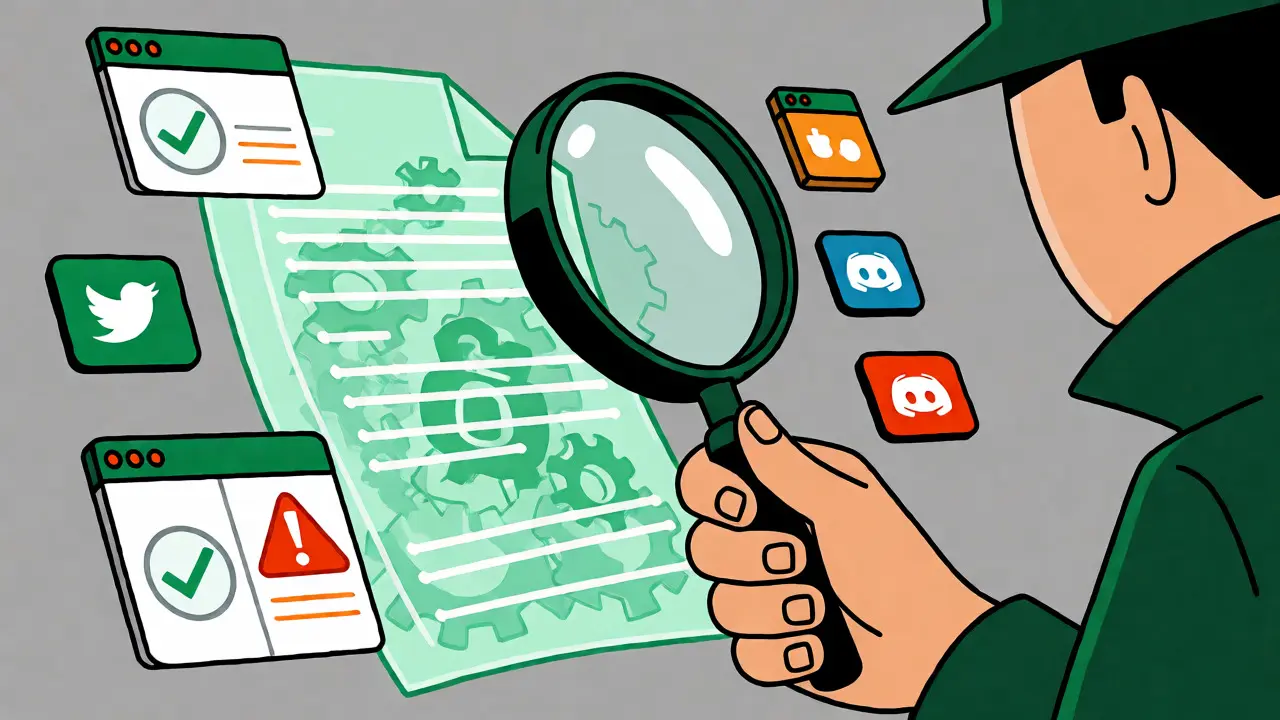
Before you connect your wallet to any site claiming to distribute AIR tokens, you need to do some detective work. You don’t want to end up signing a transaction that drains your ETH or SOL balance. Here is a practical checklist to validate whether this AirCoin opportunity is legit:
- Check the Contract Address: Every legitimate token has a unique contract address on its respective blockchain (Ethereum, BNB Chain, Solana, etc.). Copy this address and paste it into Etherscan, BscScan, or Solscan. Look for verification status. Does the code match what is claimed?
- Look for Liquidity Locks: If AirCoin is a new token, ensure the liquidity pool is locked. Unlocked liquidity is a red flag for rug pulls, where developers pull all the funds and disappear.
- Community Sentiment: Go beyond the project’s own social media. Search Reddit, X (formerly Twitter), and specialized crypto forums. Are people complaining about fake claims? Is there organic discussion about the utility of the AIR token?
- Team Transparency: Who is behind AirCoin? An anonymous team isn't always bad-Bitcoin was created by Satoshi Nakamoto-but for a small-cap airdrop, anonymity combined with vague promises is risky. Look for LinkedIn profiles or past projects linked to the founders.
Potential Confusion with Other "Air" Tokens
It is highly possible that "AirCoin" is being confused with other established entities in the crypto space. For instance, there is Helium a decentralized wireless network that uses HNT tokens, which involves airwaves and connectivity. There are also various "Air" branded NFT collections. Sometimes, users see "AIR" ticker symbols on exchanges and assume a new coin is launching, when in reality, it might be a legacy token or a meme coin with low volume.
| Feature | Major Protocol Airdrop (e.g., Optimism) | Meme/Niche Token (Potential AirCoin) |
|---|---|---|
| Documentation | Detailed Whitepaper & GitBook | Social Media Posts & Simple Website |
| Eligibility Criteria | On-chain activity snapshots | Sign-ups, referrals, or holding requirements |
| Token Utility | Governance, Staking, Gas Fees | Speculative Trading, Community Access |
| Risk Level | Low to Medium (Market Volatility) | High (Liquidity & Scam Risk) |
What If AirCoin Is Legit? Common Airdrop Mechanics
Let’s assume AirCoin is a genuine, emerging project. How do these distributions usually work? Most modern airdrops have moved away from simple "sign-up-to-get-paid" models. Those were prone to Sybil attacks, where bots created thousands of wallets to farm rewards. Today, projects use more sophisticated methods.
If AirCoin follows current trends, you might need to perform specific on-chain actions. Did you interact with their testnet? Did you bridge assets to their chain? Did you hold a specific NFT? These actions prove you are a real user, not just a bot farmer. Rewards are then calculated based on the weight of your activity. For example, Jupiter distributed over 7 billion JUP tokens based on historical usage data. If AirCoin uses a similar model, your eligibility depends entirely on your past behavior on their platform.
Another common mechanic is the "claim window." Even if you are eligible, you must claim within a set timeframe. Miss it, and your tokens might go back to the treasury or be redistributed. Keep an eye on the official announcement channels for dates. In 2026, speed matters. Early claimers sometimes get bonus multipliers, while latecomers pay higher gas fees during network congestion.
Red Flags to Watch Out For
Since information on AirCoin is scarce, caution is your best friend. Here are specific signs that this might not be the next Bitcoin:
- Pay to Claim: Legitimate airdrops rarely ask you to send crypto to receive crypto. If a site asks for a "small fee" in ETH or BNB to process your AIR tokens, walk away. Gas fees are paid to the network, not to the project’s wallet.
- Vague Roadmap: If the website says "Coming Soon" without dates, features, or partnerships, it is likely vaporware.
- Over-Promising Returns: Be skeptical of claims like "100x ROI guaranteed." Crypto is volatile. No one can guarantee returns.
- Phishing Links: Always type the URL manually or use bookmarks. Scammers buy ads with typos like "aircoin-airdrop.com" instead of the correct domain.
The Role of Community in Small-Cap Drops
For a project like AirCoin, community engagement is everything. Without the marketing budget of giants like Coinbase or Binance, these projects rely on grassroots support. Join their Discord. Ask questions. See how the admins respond. Do they provide technical answers, or do they just spam rocket emojis? A healthy community will discuss tokenomics, inflation rates, and governance proposals. A toxic or empty community will only talk about price predictions.
Also, consider the environmental context. In 2026, sustainable blockchain solutions are preferred. If AirCoin runs on an energy-intensive Proof-of-Work chain, it faces different regulatory and social headwinds compared to a Proof-of-Stake layer. Check their consensus mechanism. This detail affects transaction costs and speed, which directly impacts your experience if you plan to use the AIR token for anything other than trading.
Final Thoughts on Navigating Uncertainty
So, should you participate in the AirCoin airdrop? If you cannot find verifiable data on major aggregators, treat it as a high-risk speculation. Never invest more than you can afford to lose, and never share your private keys. Use a burner wallet for interacting with unknown sites. This way, if things go south, your main portfolio remains safe.
The crypto landscape moves fast. Today’s obscure token could be tomorrow’s top gainer, or it could vanish by next week. Stay informed, stay skeptical, and keep your security hygiene tight. If AirCoin turns out to be a solid project, you will still have time to engage once the dust settles and more data emerges. Until then, protect your assets first.
Is AirCoin listed on major exchanges?
As of November 2026, AirCoin does not appear to be prominently listed on top-tier exchanges like Coinbase or Binance according to major aggregators. It may be available on smaller decentralized exchanges (DEXs) or regional platforms. Always verify the contract address before trading.
Do I need to pay a fee to claim my AirCoin airdrop?
You typically only pay network gas fees (like ETH or SOL) to execute the claim transaction on the blockchain. You should not have to send tokens directly to the project's wallet. If a site asks for a separate payment to "unlock" your coins, it is likely a scam.
What is the total supply of AIR tokens?
Without a verified whitepaper or listing on CoinGecko/CoinMarketCap, the exact total supply is uncertain. Low supply can drive up price volatility, while high supply might make individual token prices lower. Check the smart contract for minting functions to see if the supply is capped.
How long do I have to claim the airdrop?
Claim windows vary by project. Many recent airdrops allow 30 to 90 days after the snapshot date. Since AirCoin details are scarce, monitor their official social channels closely for expiration dates to avoid losing your allocation.
Can I sell AirCoin immediately after claiming?
Yes, unless there is a vesting schedule. Some projects lock tokens for months to prevent dumping. Check if your AIR tokens are fully liquid upon claim or if they unlock gradually over time. Selling immediately often leads to selling at the bottom due to market pressure.



Write a comment