Imagine logging into your favorite trading platform to find your entire portfolio gone. Not a glitch, not a frozen account, but a complete wipeout caused by a security breach. This is exactly what happened to users of Altsbit, an Italian cryptocurrency exchange that ceased operations permanently in February 2020 following a catastrophic hack. While the total amount stolen was relatively small compared to industry giants like Mt. Gox, the impact on individual traders was devastating. Today, reviewing Altsbit isn't about finding a place to trade; it's about understanding why this platform failed and how its collapse serves as a critical warning for anyone holding digital assets on centralized exchanges.
The Rise and Fall of Altsbit
To understand the severity of the Altsbit incident, we first need to look at who they were. Altsbit operated as a centralized cryptocurrency trading service based in Italy. Unlike massive global platforms, Altsbit was characterized by various sources as a "tiny" exchange with a limited user base. They supported a specific set of digital assets, including Bitcoin (BTC), Ethereum (ETH), Komodo (KMD), VerusCoin (VRSC), and Pirate Chain (ARRR).
The platform launched prior to 2020, aiming to serve traders interested in these particular altcoins. However, their operational history remains poorly documented. There are no verified details regarding exact founding dates or founder names, which is often a red flag in the crypto world. The lack of transparency extended to their technical infrastructure. While they claimed to have both hot and cold wallets, there is no evidence they implemented advanced security protocols such as multi-signature authentication, real-time monitoring, or proof-of-reserves mechanisms that became standard for reputable exchanges like Coinbase or Kraken by 2025.
The February 2020 Hack: A Timeline of Failure
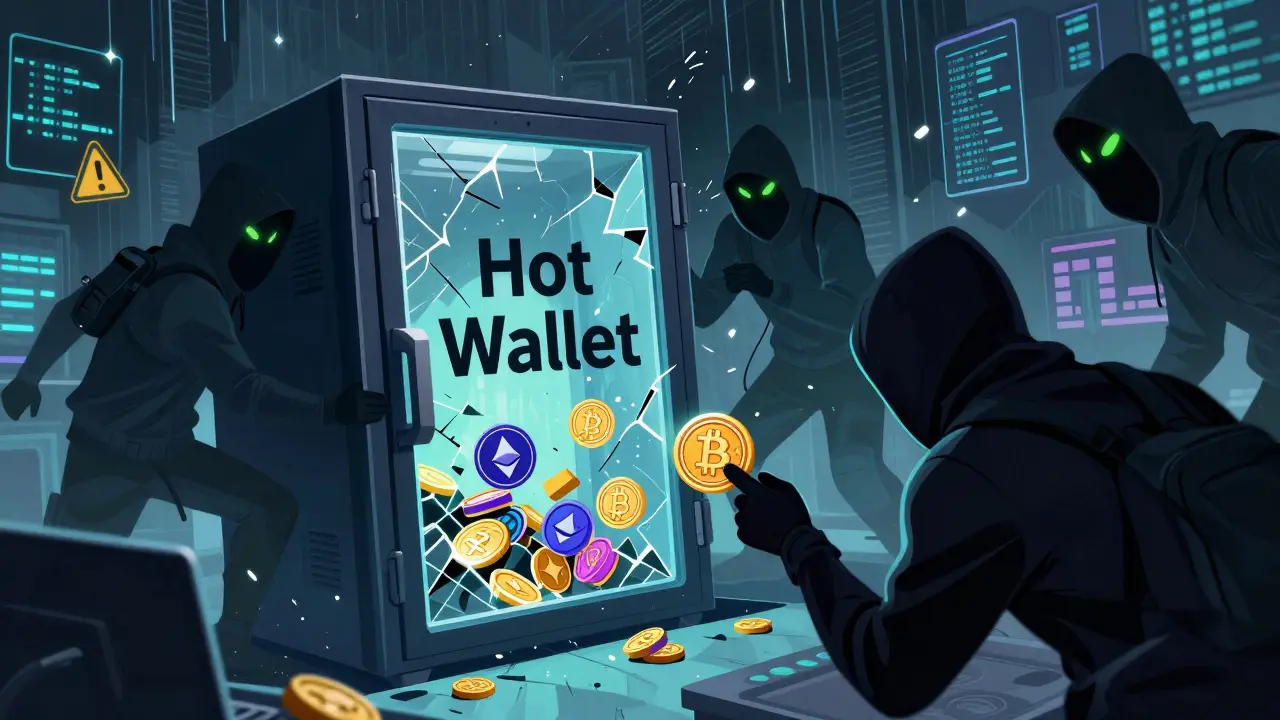
The defining moment in Altsbit’s history occurred on February 6, 2020. On this date, hackers gained overnight access to the exchange’s hot wallets-digital wallets connected to the internet used for immediate transactions. According to forensic analysis by Bytwork, the attackers stole nearly all user funds held in these active wallets. The verified stolen assets included:
- Bitcoin (BTC): 6,929 coins
- Ethereum (ETH): 2,321 coins
- Komodo (KMD): 1,066 coins
- VerusCoin (VRSC): 414,154 coins
- Pirate Chain (ARRR): 3,924,082 coins
At the time of the theft, the total value was estimated between $27,000 and $70,000, depending on market volatility. While this might seem like a drop in the bucket compared to billion-dollar hacks, it represented 100% of the available liquid funds for many small-scale traders. The exchange confirmed the breach via Twitter, stating that hackers had accessed their trading platform hot wallets.
Four days later, on February 10, 2020, Altsbit announced its closure. Steve Muchoki reported the shutdown in ZyCrypto's Exchange Archives. The exchange claimed they would reimburse users using reserves from their cold wallets (offline storage). However, this promise was never fulfilled. The platform disappeared completely, leaving users with no recourse, no support, and no refunds. This abrupt termination highlights a common failure mode among smaller exchanges: lacking the financial reserves or insurance policies to cover such losses.
Why Altsbit Failed: The Security Gap
What went wrong? The core issue was inadequate security infrastructure relative to the risks involved in holding user funds. In the modern crypto landscape, security is not just a feature; it is the foundation of trust. Reputable exchanges implement layers of protection that Altsbit seemingly lacked.
| Security Feature | Altsbit (Pre-2020) | Industry Standard (2025+) |
|---|---|---|
| Cold Storage Usage | Limited / Unverified | Majority of funds offline |
| Proof of Reserves | Absent | Regular third-party audits |
| Multi-Signature Wallets | No evidence | Mandatory for withdrawals |
| Insurance Fund | Absent | Available on major platforms |
| Regulatory Compliance | Unclear | KYC/AML/CySEC/FCA oversight |
Experts cite Altsbit as a textbook case of counterparty risk. When you leave your crypto on an exchange, you are trusting that entity to protect your assets. Altsbit failed this trust because they did not invest in "advanced cryptography, smart contract auditing, or dedicated cybersecurity units." In contrast, platforms reviewed in late 2025 guides emphasize features like AI-based fraud detection and SSL encryption. The absence of these safeguards made Altsbit an easy target for sophisticated cybercriminals.
Lessons for Traders: Avoiding the Altsbit Trap
The collapse of Altsbit offers several hard lessons for current and future cryptocurrency traders. First, size matters. Small exchanges often lack the resources to hire top-tier security teams or maintain robust infrastructure. BuyBitcoinWorldwide explicitly uses the Altsbit hack as evidence to recommend sticking to large exchanges with deep pockets. Large platforms can absorb shocks and have established legal frameworks for dispute resolution.
Second, always verify security practices before depositing funds. Look for exchanges that publish regular Proof of Reserve (PoR) audits. These audits prove that the exchange actually holds the assets they claim to have. If an exchange cannot provide transparent data on where your money is stored, consider it a high-risk environment.
Third, minimize hot wallet exposure. Even if you use a reputable exchange, keep only the amount needed for immediate trading in your account. Move long-term holdings to personal hardware wallets or secure cold storage solutions. This strategy mitigates the risk of exchange-level hacks affecting your entire portfolio.

Current Status: Is Altsbit Still Operating?
No. Altsbit is permanently defunct. There is no evidence of revival, successor platforms, or any ongoing operations. The domain and social media channels associated with the brand have been inactive since early 2020. Any website claiming to be Altsbit today is likely a scam attempting to phish credentials from victims of the original hack or unsuspecting new users.
In 2025, the cryptocurrency market is significantly more regulated. Most legitimate exchanges require Know Your Customer (KYC) checks and adhere to Anti-Money Laundering (AML) laws. Platforms like Binance, Kraken, and Coinbase operate under strict regulatory oversight in multiple jurisdictions. The era of unregulated, tiny exchanges operating in the shadows is largely over, thanks in part to incidents like the Altsbit hack that highlighted the dangers of such models.
Frequently Asked Questions
Is Altsbit still operational in 2026?
No, Altsbit ceased all operations permanently in February 2020 following a security breach. The platform is defunct, and there are no active services or websites associated with the original brand.
How much money was stolen in the Altsbit hack?
Forensic estimates suggest approximately $27,000 to $70,000 worth of cryptocurrency was stolen, including Bitcoin, Ethereum, Komodo, VerusCoin, and Pirate Chain. The exact value fluctuates based on market prices at the time of the theft in February 2020.
Did Altsbit reimburse its users after the hack?
No. Although the exchange initially claimed it would reimburse users using cold wallet reserves, it shut down four days after the hack without fulfilling this promise. Users lost their funds entirely.
Why did Altsbit fail compared to other exchanges?
Altsbit failed due to inadequate security infrastructure. It lacked multi-signature wallets, proof-of-reserves audits, and sufficient cold storage reserves. As a small, unregulated entity, it could not withstand a targeted attack on its hot wallets.
What cryptocurrencies did Altsbit support?
Before its closure, Altsbit supported Bitcoin (BTC), Ethereum (ETH), Komodo (KMD), VerusCoin (VRSC), and Pirate Chain (ARRR). These were the primary assets stolen during the 2020 breach.
How can I avoid losing money to exchange hacks?
Use large, regulated exchanges with proven security records. Enable two-factor authentication (2FA), withdraw funds to personal hardware wallets for long-term storage, and avoid keeping significant balances on exchange hot wallets.


Write a comment