You probably heard the hype. Binance is the giant of the crypto world, handling more trading volume than almost everyone else combined. But if you live in the UK, things get a bit messy. You might be wondering: Can I still use it? Is it safe? And why does my friend say it's "restricted" while another says it's fine?
The short answer is complicated. As of late 2025 and heading into 2026, Binance UK operates in a regulatory grey zone. While it remains the global leader by volume, its status with the Financial Conduct Authority (FCA) has shifted dramatically. New users can't sign up easily, and existing users face strict limitations on what they can trade. This review cuts through the noise to tell you exactly where Binance stands for British investors right now.
The Regulatory Reality Check
Let's address the elephant in the room: regulation. In October 2023, Binance suspended new user onboarding in the UK. Why? Because their promotions partner lost FCA approval. Since then, the situation hasn't fully resolved itself in favor of unrestricted access. Unlike competitors like Coinbase or Kraken, which are registered as cryptoasset firms with the FCA, Binance operates under a patchwork of global licenses.
This matters because the FCA requires strict compliance for financial promotions. If an exchange isn't properly authorized, it can't legally market certain products to UK retail consumers. For you, this means:
- New Registrations: Generally paused or heavily restricted. If you try to sign up today, you might hit a wall.
- Existing Accounts: If you were already using Binance before the restrictions tightened, you likely retain access to basic services.
- Product Availability: Complex derivatives like futures and margin trading are off the table for UK retail users due to consumer protection rules.
Some sources claim Binance offers an "FCA-compliant experience," but industry analysis suggests otherwise. The Investors Centre notes that while Binance is secure, its lack of direct UK registration creates uncertainty. If the FCA decides to enforce stricter measures tomorrow, your access could change overnight.
What Can You Actually Trade?
If you manage to access Binance from the UK, don't expect the full global menu. The platform restricts features significantly compared to what users in other jurisdictions enjoy.
Global users have access to over 350 cryptocurrencies, including exotic altcoins and high-leverage products. UK users, however, are largely limited to spot trading. That means you can buy Bitcoin, Ethereum, or Solana, but you cannot:
- Trade perpetual futures contracts.
- Use leverage (borrowing money to trade).
- Access margin trading features.
This limitation stems from the FCA's ban on marketing derivative products to retail clients without specific approvals. So, if you're a day trader looking to go long or short with 10x leverage, Binance UK might not be your playground anymore. You'll need to look at platforms that specialize in compliant retail products or accept the risk of using offshore exchanges.
Fees and Costs: Where Binance Still Shines
Despite the regulatory headaches, one thing Binance never compromises on is cost. For traders who prioritize low fees, it remains hard to beat. Standard spot trading fees start at 0.1%, which is competitive even among regulated exchanges. If you hold BNB (Binance Coin), you can get discounts, pushing those costs down further.
Compare this to Coinbase, which often charges higher spreads and fees for smaller trades. Or consider Kraken, which is also competitive but sometimes less aggressive on maker/taker fees for casual users. If you're moving large volumes, Binance's fee structure saves you real money.
| Exchange | Maker Fee | Taker Fee | BNB Discount | Withdrawal Fees |
|---|---|---|---|---|
| Binance | 0.10% | 0.10% | Yes (up to 25%) | Variable (network dependent) |
| Kraken | 0.16% | 0.26% | N/A | Low/Fixed options available |
| Coinbase | ~0.40%+ | ~0.60%+ | N/A | High spread included |
Note: Withdrawal fees depend on the blockchain network congestion, not just the exchange. However, Binance's internal transfer system allows free transfers between Binance accounts globally, which is a huge plus if you move funds frequently.
Security and Trustworthiness
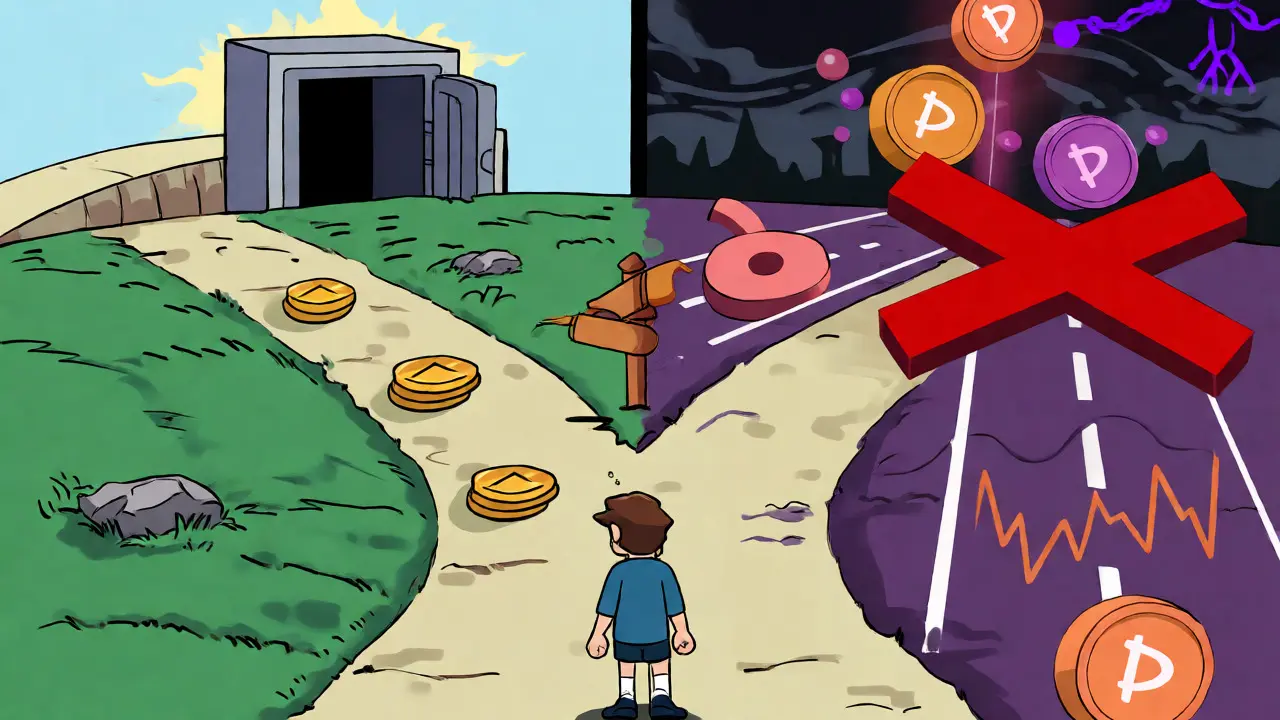
Is your money safe? Binance holds approximately 95% of user funds in cold storage (offline wallets). They mandate two-factor authentication (2FA) for all accounts. These are standard best practices for any major exchange.
However, trust isn't just about technology; it's about transparency. Binance doesn't have a single consistent global headquarters. It operates through various regional entities. This opacity worries some regulators and conservative investors. In contrast, Coinbase publishes quarterly financial reports and is publicly traded. Kraken provides proof-of-reserves audits regularly.
User reviews reflect this mixed sentiment. On Capterra, users praise the liquidity and toolset. One reviewer called it "the world's best cryptocurrency exchange." But others complain about customer support being slow. When you're dealing with thousands of dollars, waiting days for a ticket response feels like an eternity. For UK users, who already feel vulnerable due to regulatory ambiguity, poor support adds insult to injury.
Binance vs. The Regulated Rivals
If you want peace of mind, you should compare Binance against FCA-registered alternatives. Here is how they stack up for a typical UK investor.
Kraken is often the top recommendation for UK residents. It is FCA-registered, offers over 490 assets globally (with similar UK restrictions on derivatives), and has a strong reputation for security. Its interface, Kraken Pro, is robust enough for serious traders but simple enough for beginners.
Coinbase takes a different approach. It focuses on ease of use and regulatory transparency. It’s ideal for beginners who want to buy Bitcoin with a debit card quickly. However, the fees are noticeably higher, and the asset selection is more curated (fewer altcoins).
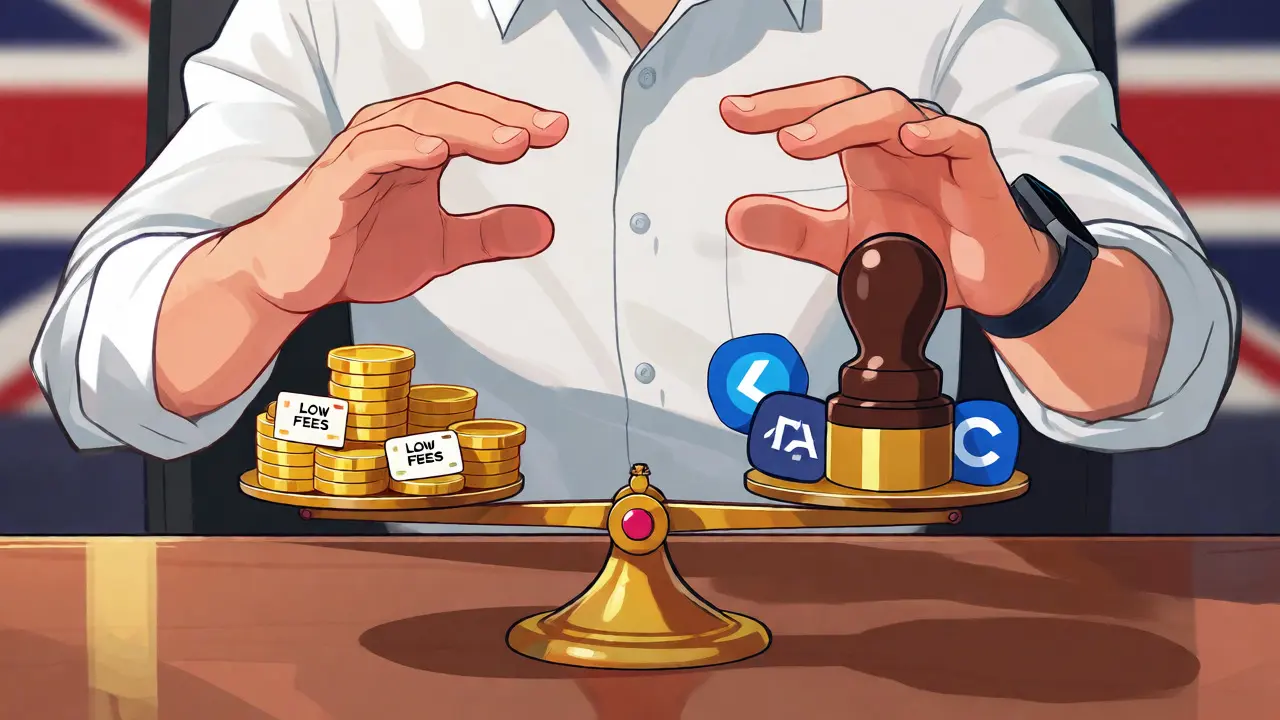
Binance sits in the middle: lower fees and more assets than Coinbase, but less regulatory comfort than Kraken. It’s best for experienced traders who understand the risks of operating outside direct FCA oversight and prioritize cost efficiency over absolute regulatory safety.
Who Should Use Binance UK?
So, who actually fits the profile for Binance UK in 2026?
- Experienced Traders: If you know how to read order books, understand slippage, and manage risk without hand-holding, Binance’s tools are superior.
- Cost-Conscious Investors: If you trade frequently, the fee savings add up quickly. A 0.1% difference on $10,000 trades is $10 per transaction. Do that ten times a month, and you’re saving $100.
- Altcoin Hunters: If you want early access to newer tokens that haven’t listed on Coinbase yet, Binance usually lists them first.
Conversely, skip Binance if:
- You are a complete beginner. The learning curve is steep, and the interface can be overwhelming.
- You require guaranteed FCA protection for your deposits.
- You want to trade futures or use leverage. You’ll be frustrated by the restrictions.
Final Verdict
Binance UK is a powerful tool held back by regulatory friction. It remains the liquidity king, offering deep markets and low fees that few can match. But the suspension of new user onboarding and the lack of full FCA registration make it a risky bet for newcomers.
If you are already on the platform, keep an eye on regulatory news. Your access could improve-or worsen-based on upcoming FCA guidelines. If you are starting out, consider Kraken for a balance of compliance and functionality, or Coinbase for simplicity. Choose Binance only if you actively seek out its specific advantages and accept the regulatory trade-offs.
Can I still open a new Binance account in the UK?
Generally, no. Binance suspended new user onboarding in the UK in October 2023 after its promotions partner lost FCA approval. While policies may evolve, most new UK residents currently find it difficult or impossible to register directly. Existing users retain their accounts.
Is Binance FCA registered?
No, Binance is not registered as a cryptoasset firm with the FCA. It operates under a complex structure of global entities. While it complies with some local laws, it lacks the direct authorization that competitors like Coinbase and Kraken possess, placing it in a regulatory grey area for UK users.
Why can't I trade futures on Binance UK?
The FCA prohibits the marketing of derivative products, such as futures and leveraged tokens, to retail consumers in the UK unless specific conditions are met. To comply with these consumer protection rules, Binance restricts UK users to spot trading only, removing access to derivatives and margin features.
Which is better for UK users: Binance or Kraken?
Kraken is generally considered safer for UK users due to its FCA registration. It offers a similar range of spot trading assets with comparable fees. Binance is better for experienced traders who prioritize lower fees and wider asset availability over regulatory certainty. Beginners should lean toward Kraken or Coinbase.
Are Binance withdrawal fees high?
Withdrawal fees vary by cryptocurrency and network congestion. Some users report feeling charged disproportionately on small withdrawals (e.g., losing a significant percentage of a small Dogecoin transfer). Always check the current fee schedule before withdrawing small amounts, as fixed network fees can eat into small balances.


Write a comment