Imagine buying a house as easily as you buy a stock. No endless piles of paperwork, no waiting 60 days for a title company to verify a deed, and no stressful escrow periods. While it sounds like science fiction, blockchain real estate transactions are turning this into a reality by stripping away the middlemen and replacing them with code. The goal isn't just to make things faster; it's to fundamentally change who can invest in property and how ownership is recorded.
The Core Engine: How Smart Contracts Work
The real magic happens with Smart Contracts. Think of these as "if/then" statements written in code. Instead of a lawyer verifying that a buyer has sent the funds before releasing the deed, a smart contract does it automatically. If the buyer deposits the required amount of Ethereum or a stablecoin into the contract, the digital title is instantly transferred to the buyer's wallet.
This removes the need for expensive escrow agents and title companies. According to analysis from J.P. Morgan's Treasury Services, automating this compliance verification doesn't just save time; it slashes the costs associated with manual verification and human error. For a regular homebuyer, this could mean thousands of dollars saved in closing fees.
Breaking the Barrier: Tokenization and Fractional Ownership
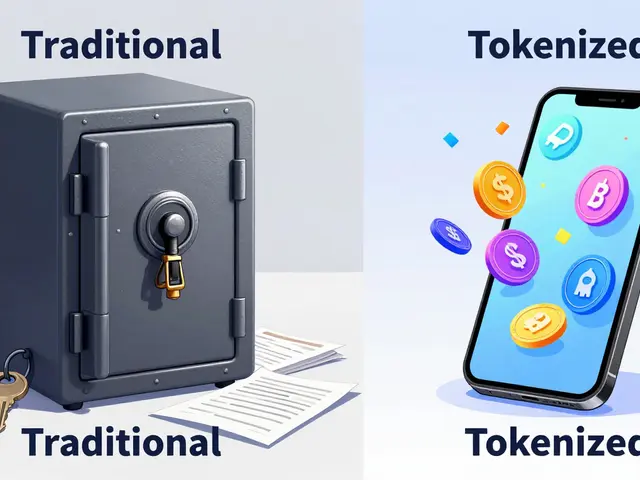
For most people, investing in real estate requires a massive down payment. Tokenization solves this by breaking a physical property into thousands of digital tokens. Each token represents a small percentage of ownership in that specific asset.
Take a platform like RealT. They allow investors to buy fractions of properties for as little as $50. If you own 10 tokens of a rental apartment, you receive a proportional share of the monthly rent directly to your crypto wallet via a smart contract. This turns real estate from a "lumpy," illiquid asset into something as liquid as a cryptocurrency trade.
| Feature | Traditional Method | Blockchain Method |
|---|---|---|
| Closing Time | 30-60 Days | Hours to Days |
| Minimum Investment | High (Down payment) | Very Low (via Tokenization) |
| Intermediaries | Lawyers, Escrow, Title Co. | Smart Contracts / Code |
| Record Security | Centralized Govt. Ledger | Decentralized Immutable Ledger |
Real-World Implementation and Platforms
We are seeing a shift from theoretical whitepapers to actual platforms. Propy has been a leader in this space, facilitating the actual sale of homes via blockchain. Their approach focuses on the legal transfer of the deed, ensuring that the blockchain record is backed by recognized legal standards.
On the institutional side, the Kinexys platform by J.P. Morgan is tackling the payment side of the equation. Traditional cross-border wire transfers for international property buys can take up to two days. Kinexys allows these settlements to happen in minutes, which is critical for high-frequency commercial trading where timing is everything.
The Hurdles: Regulations and Technical Gaps
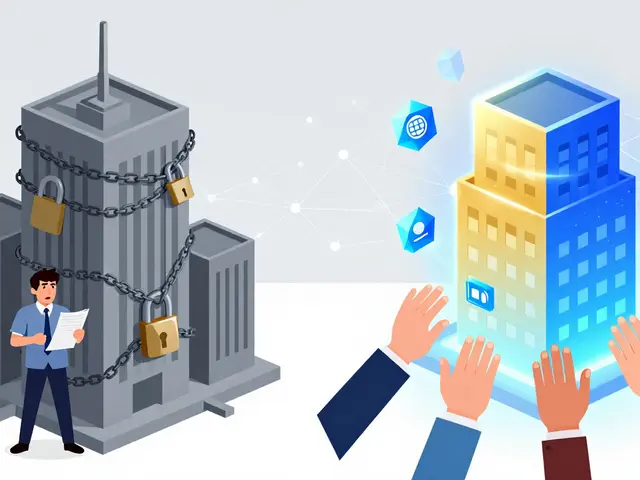
If this is so much better, why isn't every house on the blockchain? The biggest obstacle isn't the technology-it's the law. Most governments still require a physical piece of paper signed in ink to prove ownership. While countries like Singapore and Estonia have created supportive frameworks for digital records, the U.S. and many other regions are still catching up.
Then there's the "user friction." Managing a Cryptocurrency Wallet can be intimidating for the average homeowner. If you lose your private keys, you can't just call a bank to reset your password; you could potentially lose access to the proof of your home ownership. This technical barrier means that most blockchain real estate is currently concentrated in the hands of tech-savvy investors rather than the general public.
What's Next for PropTech?
The next few years will likely see the merge of blockchain with Artificial Intelligence (AI). We are already seeing prototypes where AI handles the property valuation and feeds that data directly into a smart contract. This would allow for "dynamic pricing" where a property's token value fluctuates in real-time based on market data, not just once every few years during a formal appraisal.
We are also seeing the rise of DAOs (Decentralized Autonomous Organizations) for property management. Instead of a single landlord, a DAO allows a community of token holders to vote on whether to renovate a building or change the rental price, with the results of the vote automatically triggering the necessary financial actions.
Is blockchain real estate legally binding?
It depends on your location. In most places, a blockchain record is not yet a legal substitute for a government-filed deed. However, platforms like Propy work to ensure the blockchain transaction triggers the necessary legal filings in the real world. You should always check if your local jurisdiction recognizes digital titles.
What is the risk of fractional ownership?
The primary risks are liquidity and regulatory shifts. While tokens are easier to sell than a whole house, you still need a buyer. Additionally, if a government decides that tokenized real estate constitutes an "unregistered security," platforms may be forced to change how they operate, which could impact your investment.
Do I need to know how to code to invest?
No, you don't. Most platforms like RealT provide a user-friendly interface that looks like a standard investment app. You only need to understand how to set up a basic digital wallet and complete a KYC (Know Your Customer) identity verification process.
Can blockchain stop real estate fraud?
It significantly reduces it. Because the ledger is immutable, no one can secretly change the ownership history or forge a deed. However, it doesn't stop "social engineering" scams where a buyer is tricked into sending funds to the wrong wallet address.
How long does it take to close a blockchain deal?
Technically, the transfer of ownership on the blockchain happens in minutes. However, the overall process-including due diligence, inspections, and legal approvals-still takes time. The goal is to move the "closing" phase from weeks to a few hours.
Next Steps for Interested Buyers
If you're looking to get started, don't jump into a full house purchase via blockchain just yet unless you have a professional legal team. Instead, start small:
- Explore Tokenized Platforms: Try a fractional ownership platform to see how dividends and ownership tokens work in practice.
- Set Up a Secure Wallet: Use a hardware wallet (like Ledger or Trezor) to store your assets. Never keep large real estate tokens on an exchange.
- Track Legislation: Keep an eye on your local government's stance on "Digital Assets" and "Electronic Recording" of land titles.
Agnessa Dale
This is honestly such a breath of fresh air for the housing market. The idea that someone could start investing with just fifty bucks is a total game changer for young people who feel locked out of ownership
Prasanna Shembekar
omg i cant even believe how slow everything is right now just thinking about the paperwork makes me want to scream
Jessie Tayaban
Yesss absolutely!! This is exactly what we need. Imaginee not having to deal with those crusty old title companies for like 60 days... literally a dream!!
I'm so here for the tokenization part bc why should only the rich get to own property right??
Amanda Faust
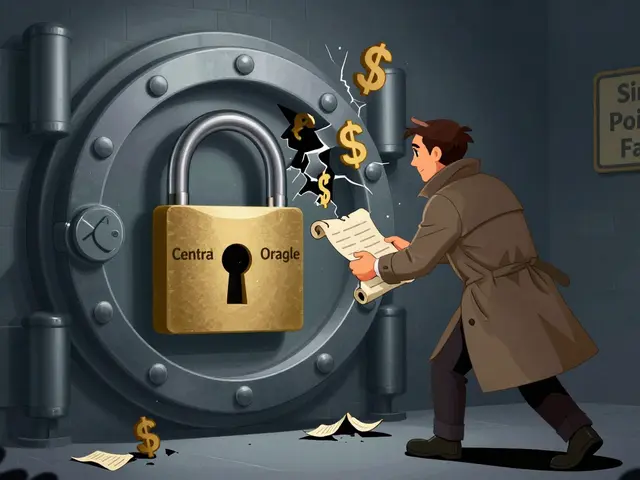
everyone ignores the fact that oracle problems are the real bottleneck here since the blockchain cant actually verify if a pipe burst in the basement without a human input
Rebecca Violette
my heart just sinks thinking about losing my keys and losing my whole house... that's actualy a nightmare scenario
Scott Fenton
It is important to note that while the efficiency is appealing, the legal infrastructure must be robustly established to protect all parties. One should consider the implications of jurisdictional conflicts when dealing with decentralized assets across different borders.
Furthermore, the integration of hardware wallets is a prudent suggestion for those seeking to mitigate the risks of digital asset theft. Ensuring that a legal representative oversees the transition from a blockchain record to a government-recognized deed remains the most critical step for any high-value transaction. I would advise individuals to conduct thorough due diligence on the specific smart contract audits of any platform they intend to utilize. Without a verified audit, the risk of code vulnerabilities remains a significant concern. It is also worth mentioning that the volatility of some cryptocurrencies could affect the stability of the transaction if stablecoins are not utilized. The transition to this model will likely be incremental rather than immediate. Most traditional institutions will require a hybrid approach for several years. Therefore, maintaining a traditional record alongside the digital one is a recommended strategy for the time being. Professional legal counsel is indispensable during this transition period. One must also be aware of the tax implications of fractional ownership, as these may differ significantly from traditional real estate holdings. Proper documentation of the acquisition process is essential. Lastly, the evolution of PropTech should be viewed through the lens of consumer protection laws to ensure that the average homeowner is not marginalized by technical complexity.
Mikayla Murphy
It's really interesting to see how different countries are handling this. Singapore being ahead of the curve is classic, but it's a great example for others to follow if they want to modernize their systems
Stanly Hayes
Listen, the tech is great and all, but let's be real-nothing beats the American way of doing business. We'll lead the charge once the regulations stop being such a joke!
Lane Montgomery
How much money did you make from this?
logan bates
The US government needs to stop dragging its feet and just implement this already. We're losing our edge to countries that actually embrace the future of finance