Imagine depositing your hard-earned Bitcoin into a trading platform, watching the charts move in your favor, and then trying to cash out. You click "withdraw," and suddenly the system glitches. Or worse, an "account manager" calls you, insisting you need to pay a tax fee before they release your funds. This isn't a hypothetical nightmare; it’s the reported experience of hundreds of users on CBX Capital. If you are considering this platform for spot or OTC trading, you need to look past the glossy website and dive into the regulatory red flags that have multiple financial watchdogs sounding the alarm.
As of September 2026, the landscape of cryptocurrency exchanges has tightened significantly. Regulators worldwide are cracking down on unlicensed operators. In this context, CBX Capital stands out not for its innovation, but for its lack of transparency. Let’s break down exactly what CBX offers, where it fails, and whether your money is safe here.
What Exactly Is CBX Capital?
CBX Capital is a digital asset trading platform that launched around 2018. It markets itself as a comprehensive hub for trading cryptocurrencies like Bitcoin (BTC), Ethereum (ETH), and Tether (USDT). But it doesn’t stop there. The platform also claims to offer access to forex pairs, stocks, commodities, and indices. On paper, this sounds attractive-one account, multiple assets.
However, the reality is murkier. Unlike established exchanges such as Coinbase or Kraken, CBX does not provide clear documentation on how these multi-asset trades are executed. Are you buying actual Bitcoin, or are you betting on price movements via Contracts for Difference (CFDs)? For many retail traders, this distinction matters immensely because it affects ownership rights and withdrawal capabilities.
The Regulatory Red Flags You Can’t Ignore
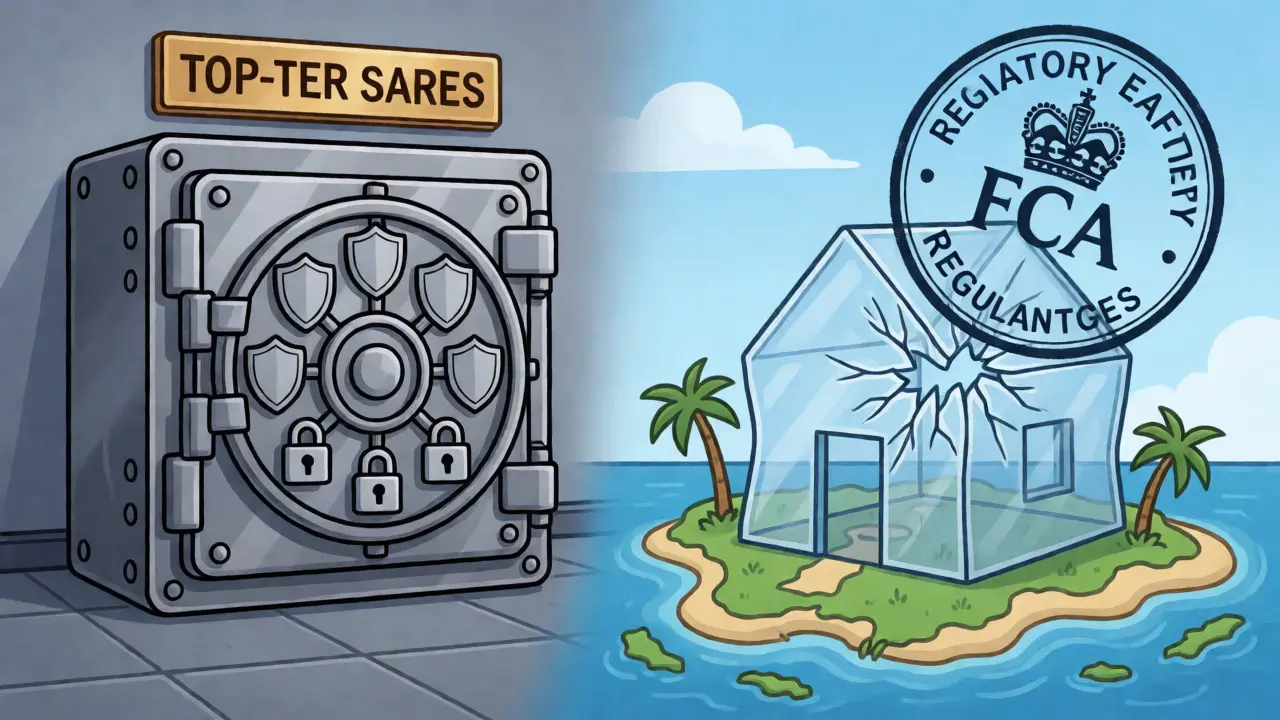
This is the most critical section of any exchange review. If a platform isn’t regulated by a top-tier authority, your legal recourse if things go wrong is nearly zero. CBX Capital operates under jurisdictions with minimal oversight, including Belize, Vanuatu, and the British Virgin Islands. These are often referred to as "offshore" registrations. They allow companies to operate with lower capital requirements and fewer consumer protection rules compared to regulators like the U.S. SEC or the UK’s FCA.
In March 2023, the Financial Conduct Authority (FCA) in the United Kingdom issued an official warning against CBX Capital. The regulator stated that the firm was providing financial services without proper authorization. This wasn’t just a minor administrative hiccup; it was a formal notice that client funds were at significant risk. When a major regulator like the FCA warns about a platform, it’s a massive signal to tread carefully.
| Feature | CBX Capital | Kraken / Coinbase |
|---|---|---|
| Primary Regulation | Belize/Vanuatu (Level 2) | FCA, ASIC, CFTC (Top-Tier) |
| Client Fund Protection | Limited/Unknown | Segregated Accounts + Insurance |
| Audit Transparency | No public audits | Regular Proof-of-Reserves |
| Regulator Warnings | FCA Warning (2023) | None |
Platform Features and User Experience
If you’re used to sleek mobile apps with real-time analytics, CBX might feel outdated. The platform primarily relies on a web-based interface. There are no dedicated, highly-rated mobile applications for iOS or Android that match the functionality of competitors. For modern traders who need to monitor positions on the go, this is a significant limitation.
Furthermore, the technical infrastructure lacks transparency. Reputable exchanges publish details about their server locations, encryption standards, and disaster recovery protocols. CBX keeps this information close to the vest. Users have reported platform downtime during volatile market swings. One documented incident involved eight hours of downtime during a major Bitcoin price swing, leaving traders unable to manage their positions while the market moved against them.
Fees and Hidden Costs
CBX advertises low commission rates, often claiming fees between 0.10% and 0.25%. At first glance, this looks competitive. However, the devil is in the details-specifically, the withdrawal fees.
Reports indicate that withdrawal costs can range from 0.5% to 1.5%, depending on the asset. More concerning are anecdotes from users who faced unexpected charges. One verified user reported paying a $150 fee to withdraw 1 BTC when the network fee should have been a fraction of that. When you factor in potential hidden spreads and withdrawal markups, the "low commission" promise often evaporates.
- Trading Fees: Advertised as ~0.10-0.25%, which is average.
- Withdrawal Fees: Reported as high, sometimes exceeding industry standards by 200%+.
- Hidden Costs: Lack of clarity on conversion fees or inactivity fees.
User Feedback: A Pattern of Complaints
Action speaks louder than marketing copy. An analysis of user reviews across Trustpilot, Reddit, and specialized forums reveals a consistent pattern. As of early 2025, Trustpilot ratings hovered around 1.2 stars. While there are occasional positive reviews praising "tight spreads," they are outliers.
The majority of negative feedback centers on two things: withdrawal difficulties and aggressive sales tactics. Approximately 85% of complaints mention trouble getting money out. Another common theme is the behavior of "account managers." Many users report receiving persistent calls urging them to deposit more funds to "unlock" their profits or cover imaginary taxes. This tactic is a classic hallmark of unregulated brokerage scams.
Reddit user u/CryptoSafetyFirst shared a detailed story in February 2025 about depositing 2.5 BTC after being promised guaranteed returns. When they tried to withdraw, they encountered "system errors" and were told they needed to pay additional fees. The promised 15% monthly returns never materialized.

Is CBX Capital a Scam or Just Risky?
It’s easy to label any bad experience a "scam," but let’s be precise. CBX Capital may not be a fly-by-night operation that vanishes overnight, but it exhibits high-risk characteristics typical of fraudulent platforms. The combination of offshore regulation, opaque operations, and consistent withdrawal complaints creates an unacceptable risk profile.
Financial experts and independent analysts consistently rate CBX as unsafe. Wikibit gave it a trustworthiness score of 1 out of 5. Traders Union concluded it is "not a safe trading platform." If you are looking for a place to store long-term holdings or trade actively with confidence, CBX requires extreme caution.
Alternatives Worth Considering
If you’re worried about safety, why take the risk? Established exchanges offer better security, clearer regulations, and robust customer support. Here is how CBX stacks up against safer alternatives:
| Exchange | Regulation | Security Score | Best For |
|---|---|---|---|
| Coinbase | US Regulated (SEC/NYDFS) | High | Beginners & US Residents |
| Kraken | Global (FCA, FINTRAC) | Very High | Security-Focused Traders |
| Binance | Varies by Region | Medium-High | Low Fees & Altcoins |
| CBX Capital | Offshore (Belize/Vanuatu) | Low | High-Risk Speculation Only |
Final Verdict: Should You Trade on CBX?
If you value peace of mind, probably not. The risks associated with CBX Capital-unregulated status, withdrawal hurdles, and lack of transparency-outweigh the potential benefits of its advertised features. The global trend is moving toward stricter regulation, and unlicensed platforms are finding it harder to sustain trust. With declining web traffic and increasing complaint volumes, CBX appears to be losing its grip on the market.
If you already have funds there, consider withdrawing them to a reputable exchange. If you are new to crypto, start with a platform that has a proven track record of returning client funds. Your capital deserves better protection than what an offshore, unlicensed entity can offer.
Is CBX Capital regulated?
CBX Capital is not regulated by top-tier authorities like the US SEC or UK FCA. It operates under offshore jurisdictions such as Belize and Vanuatu, which have looser regulatory requirements. The UK FCA has issued a warning against the firm for operating without proper authorization.
Why do users complain about withdrawals on CBX?
Many users report difficulty withdrawing funds due to alleged "system errors," unexpected fees, or demands to pay taxes before release. Independent reviews suggest that withdrawal issues are the most common complaint, affecting approximately 85% of dissatisfied users.
Does CBX Capital have a mobile app?
CBX primarily offers a web-based trading platform. Unlike major exchanges like Coinbase or Binance, it lacks widely recognized, feature-rich native mobile applications for iOS and Android, limiting accessibility for on-the-go traders.
Are the fees on CBX Capital transparent?
Not entirely. While trading commissions appear competitive, withdrawal fees are often higher than industry averages. Some users have reported hidden costs or excessive markup on withdrawals, leading to discrepancies between advertised and actual costs.
What should I do if I have money stuck in CBX?
Document all communications with support. Request a formal withdrawal and keep records of any fees demanded. If delays persist, consider filing a complaint with relevant financial ombudsmen in your country and exploring legal advice. Avoid making further deposits until the issue is resolved.


Write a comment