Why Moving for Crypto Taxes Costs More Than a Plane Ticket
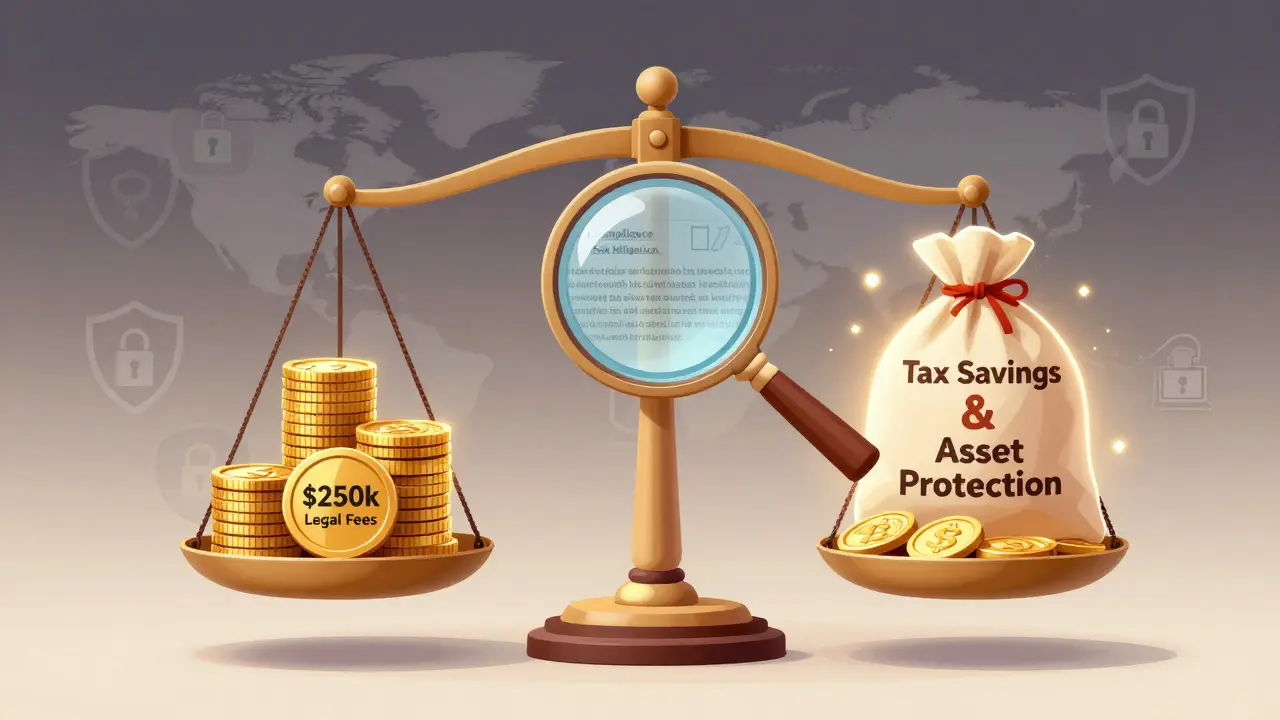
You’ve heard the stories. A crypto whale moves to Dubai or Singapore and pays zero capital gains tax on their Bitcoin holdings. It sounds simple, right? Pack your bags, change your address, and watch the savings pile up. But if you are looking at a price tag between $50,000 and $250,000 just for the legal side of things, you might be wondering where all that money goes. Is it just lawyers padding their bills? Or is there real value in spending six figures to move your tax home?
The short answer is that this isn’t about buying a new passport. It’s about dismantling your financial identity in one country and rebuilding it in another without triggering a massive tax bill in the process. For high-net-worth individuals (HNWIs) with significant crypto portfolios, the stakes are incredibly high. One wrong move can lead to double taxation, frozen assets, or years of audits. The costs reflect the complexity of international tax law, the volatility of digital assets, and the intense scrutiny from global tax authorities.
Understanding the "Exit Tax" Trap
Before you even think about packing, you have to deal with leaving. Many countries, including the United States, Canada, and several European nations, have what is known as an exit tax or deemed disposition rule. When you give up your tax residency, the government treats your assets as if you sold them on that day. If your crypto portfolio has grown significantly, this triggers a capital gains tax event immediately.
Imagine you hold $10 million in Ethereum. You decide to move to a tax-friendly jurisdiction. Your current country says, "Congratulations! We calculate your gain now." You might owe millions in taxes before you’ve spent a single night in your new home. This is where the first chunk of your legal budget goes. Lawyers and tax advisors spend hundreds of hours structuring the exit to minimize this immediate hit. They look for deferral mechanisms, treaty benefits, or specific timing strategies to lower the upfront cost. Without this expert guidance, you could face a liquidity crisis-owing more in taxes than you have in cash because most of your wealth is locked in illiquid tokens or NFTs.
The Complexity of Crypto Valuation
Taxing stocks is relatively straightforward. There is a clear market price for Apple or Tesla shares. Cryptocurrency is different. You might hold thousands of altcoins, some with low trading volumes, or private equity tokens from early-stage projects. Determining the fair market value of these assets for tax purposes is a nightmare.
Legal teams need to work with specialized valuation experts to assign accurate prices to every token in your wallet. This isn’t just picking a number from CoinGecko. For obscure tokens, you need forensic accounting to establish a defensible value. If the tax authority disagrees with your valuation later, you’re in trouble. The legal fees cover the defense strategy for these valuations. You are paying for the assurance that when the IRS or HMRC asks, "How much was that governance token worth in 2026?", you have a rock-solid, auditable answer. This layer of protection is expensive but necessary. A 10% error in valuation on a large portfolio can mean tens of thousands in extra taxes or penalties.
Navigating Global Anti-Avoidance Rules
In the past, moving to a low-tax country was enough. Today, the world is connected through agreements like the Common Reporting Standard (CRS) and the OECD’s Base Erosion and Profit Shifting (BEPS) framework. Countries share data. If you move to Dubai but keep your bank accounts, family, and business operations in New York, the US will likely still consider you a tax resident. This is called the "center of vital interests" test.
To legally relocate, you must physically move your life. You need to sever ties with your old country. This involves closing accounts, transferring voting rights, and establishing genuine presence in the new jurisdiction. Legal advisors guide you through this physical and administrative separation. They ensure you meet the strict requirements of the new country while satisfying the exit criteria of the old one. This dual-compliance process is time-consuming and requires coordination across borders. The $50,000 to $250,000 fee covers this intricate dance of compliance. It ensures you aren’t caught in the middle, taxed by both countries, or accused of aggressive tax evasion.

Immigration Law Meets Tax Strategy
Tax relocation doesn’t happen in a vacuum. You need legal permission to live in the new country. Many popular crypto-friendly jurisdictions have specific visa programs for wealthy investors or remote workers. For example, Portugal’s D7 visa or Estonia’s e-Residency program (though not a tax haven itself) require specific documentation and proof of income. Some countries offer Golden Visas in exchange for investment.
Immigration lawyers charge premium rates for these cases. They prepare the applications, liaise with embassies, and ensure your financial history looks clean. Any red flag in your crypto transaction history can get your visa rejected. Lawyers help you present your crypto income in a way that satisfies immigration officials who may not understand blockchain technology. They translate complex DeFi yields into understandable salary or investment income statements. This intersection of immigration and tax law adds another layer of cost. You aren’t just hiring a tax guy; you’re hiring a team that understands how to get you into the country legally and safely.
Ongoing Compliance and Corporate Structuring
Moving isn’t a one-time event. Once you are settled, you need to maintain your status. This often involves setting up corporate structures. Instead of holding crypto in personal wallets, many HNWIs use trusts, foundations, or limited liability companies (LLCs) in their new jurisdiction. These entities provide privacy, asset protection, and potentially better tax treatment.
Setting up these structures costs money. Annual maintenance fees, local director requirements, and audit obligations add up. Legal firms charge for drafting the trust deeds, registering the companies, and ensuring ongoing compliance. They also handle the annual tax filings in the new country. Even if the tax rate is zero, you still have to file returns. Failure to file can result in loss of residency or heavy fines. The higher end of the $250,000 range often includes multi-year retainers for this ongoing support. You are paying for peace of mind that your new structure holds up under scrutiny.
Who Actually Needs This Level of Service?
Not everyone needs to spend $250,000 on tax relocation. If you have a modest portfolio of $50,000 in Bitcoin, the legal fees would outweigh any tax savings. This service is designed for individuals with substantial assets, typically those with portfolios exceeding $1 million to $5 million. For these individuals, saving even 10% on taxes can amount to hundreds of thousands or millions of dollars. The ROI on the legal fees is clear.
Consider a scenario where you owe 30% capital gains tax in your home country. By moving to a territory with no capital gains tax, you save that 30%. On a $10 million realized gain, that’s $3 million in savings. Paying $100,000 in legal fees to secure that saving is a bargain. However, this only works if the move is done correctly. DIY approaches or cheap advice often fail because they miss subtle residency rules or valuation traps. The high cost reflects the risk mitigation. You are buying insurance against catastrophic tax errors.
| Service Component | Estimated Cost Range | Key Value Provided |
|---|---|---|
| Initial Tax Residency Analysis | $5,000 - $15,000 | Determines eligibility and identifies exit tax risks |
| Exit Tax Planning & Deferral | $20,000 - $50,000 | Minimizes immediate tax liability upon departure |
| Crypto Asset Valuation | $10,000 - $30,000 | Defensible pricing for illiquid or obscure tokens |
| Immigration & Visa Application | $10,000 - $40,000 | Secures legal right to reside in new jurisdiction |
| Corporate/Trust Structuring | $20,000 - $80,000 | Creates asset protection and tax-efficient entities |
| Ongoing Compliance Retainer | $15,000 - $50,000/year | Annual filings and regulatory updates |
Risks of Cutting Corners
Some people try to cut costs by using offshore incorporators or generic immigration agents who don’t specialize in crypto. This is dangerous. Generic agents may not understand the nuances of decentralized finance (DeFi) staking rewards or airdrops. They might classify them incorrectly, leading to understated income. When tax authorities crack down on crypto reporting-as seen with the new IRS rules in 2025-these mistakes become glaringly obvious.
Penalties for non-compliance can exceed the original tax owed. In some cases, criminal charges are possible for willful evasion. The $50,000 to $250,000 fee buys expertise that prevents these disasters. It ensures that every transaction, from your earliest Bitcoin purchase to your latest NFT flip, is accounted for and reported correctly in both your old and new jurisdictions. It’s the difference between a smooth transition and a legal nightmare.
Choosing the Right Jurisdiction
Part of the legal cost involves researching and selecting the best destination. Not all low-tax countries are created equal. Some have hidden fees, political instability, or poor banking infrastructure. Lawyers evaluate factors like:
- Treaty Networks: Does the country have treaties that prevent double taxation?
- Banking Access: Can you easily open a bank account for fiat conversions?
- Political Stability: Will the tax laws change next year?
- Lifestyle Fit: Is it a place you actually want to live?
This strategic advice is invaluable. Moving to a country with no capital gains tax but no access to reliable banking can cripple your ability to manage your wealth. Lawyers help you balance tax efficiency with practical livability. They provide a holistic view that goes beyond just the tax rate.
The Future of Crypto Tax Migration
As governments worldwide implement stricter crypto reporting standards, the window for easy tax optimization is narrowing. The OECD’s global minimum tax initiatives and increased information sharing mean that hiding assets is no longer viable. Legal relocation is shifting from aggressive avoidance to compliant optimization. The costs may remain high because the complexity is increasing. As regulations evolve, staying compliant requires constant monitoring and adjustment. Your legal team acts as your radar, detecting changes in the regulatory landscape and adjusting your strategy accordingly.
For high-net-worth crypto holders, tax relocation is a major financial decision. It requires careful planning, expert advice, and significant investment. The $50,000 to $250,000 price tag reflects the high stakes involved. It’s not just about moving houses; it’s about restructuring your entire financial life to thrive in a new global environment. Done right, it can preserve and grow your wealth. Done wrong, it can destroy it.
Is crypto tax relocation legal?
Yes, changing your tax residency to a favorable jurisdiction is legal. It is distinct from tax evasion, which involves hiding income. Legal relocation requires genuinely moving your center of life and complying with all reporting requirements in both your old and new countries.
Do I need to pay taxes on my crypto when I move?
Many countries impose an "exit tax" or deemed disposition when you leave. This means you may owe capital gains tax on your crypto holdings as if you sold them on the day you moved. Proper legal planning can sometimes defer or reduce this liability.
What happens if I move but keep my US bank accounts?
If you maintain strong ties to your home country, such as bank accounts, property, or family, the tax authorities may still consider you a resident. This is known as the "center of vital interests" test. To avoid double taxation, you must sever these ties completely.
Which countries are best for crypto tax relocation?
Popular destinations include Dubai, Singapore, Malta, and Portugal (under certain conditions). The best choice depends on your nationality, portfolio size, and lifestyle preferences. Each country has specific visa and residency requirements that must be met.
Can I do crypto tax relocation without a lawyer?
While technically possible, it is highly risky. International tax law is complex, and mistakes can lead to severe penalties. For high-value portfolios, the cost of professional legal advice is a small fraction of the potential tax savings and risk mitigation.


Sylvia Mossman
Let's be real for a second. This is just the elite class buying their way out of paying for the roads and schools they used to get rich on. It's not 'tax optimization,' it's tax evasion with a fancy lawyer attached. The whole system is rigged so that if you have enough money, the rules don't apply to you. Meanwhile, regular folks are getting audited for forgetting to report $50 in staking rewards. It's disgusting.
Lee Paige
The globalist agenda is in full swing here. They want to track every satoshi you hold while letting the whales float away to Dubai. It's all part of the Great Reset. They're building the infrastructure for total financial surveillance under the guise of 'compliance.' Don't fall for it.
Steven Jacobowitz
I think people are missing the point about the exit tax. If you have $10M in ETH, the US isn't going to let you leave without taking a cut. That $50k-$250k fee is basically an insurance policy against the IRS coming after your ass later. It's not about being evil, it's about surviving the bureaucracy. You need experts who know how to navigate the CRS and BEPS frameworks because one mistake means double taxation. It's complex stuff, but necessary if you want to keep your wealth intact.
Sylvia Mossman
@Steven Jacobowitz Oh please. Stop defending the parasites. Just because it's legal doesn't mean it's right. They are draining resources from the country that helped them build their portfolio. It's selfish at its core.
Steven Jacobowitz
@Sylvia Mossman Look, I'm not saying it's morally perfect. But capitalism is about efficiency. If a jurisdiction offers better stability and lower taxes, why shouldn't capital flow there? Forcing high-net-worth individuals to stay in high-tax zones just hurts the local economy more than it helps. They spend money locally, create jobs, etc. Let them go if they want.
Karthikeyan S
lol nice try bro 😂 u think lawyers care about ur feelings? they just want their cut 💸💸💸
Alexander DeVries
You need to understand that this is a strategic move for serious investors. It requires discipline and foresight. Many people underestimate the complexity of international tax law. It is not as simple as packing a bag. You must dismantle your financial identity carefully. The costs are high because the risks are catastrophic. Do not let emotion cloud your judgment regarding financial planning. Stay focused on the long-term goals.
Dinesh Pattigilli
Honestly most of these guys are scammers anyway. The whole crypto space is a pyramid scheme disguised as innovation. Paying $250k to hide illigal gains is pathetic. We should burn these wallets down.
Madhu Menon
Is it not interesting how we define 'home'? 🏠 When our digital assets exceed our physical presence, where do we truly belong? Perhaps the cost is not just legal, but existential. We pay to sever ties with our past selves. A fascinating dance between identity and ledger.
Alexis Abster
This is actually such a brave step for those who take it! Imagine the freedom of waking up knowing your hard-earned gains are yours to keep. It takes courage to uproot your life and face the unknown. But the reward is peace of mind. You are prioritizing your family's future over societal expectations. That is something to be celebrated!
Brad Ranks
I tried to move my residency once. Took me three years and nearly bankrupted me before I even got the visa. Then the bank accounts wouldn't open. Then the tax authority in my old country said I was still resident because I kept my driver's license. It's a nightmare. A literal hell on earth. Don't do it unless you have a million bucks to burn on lawyers who will probably screw you anyway.
Caitlin Donahue
i mean like... if you can afford 250k in fees then you prob dont need the advice lol. seems kinda obvious to me tbh. why are we even talking about this?
verna kennedy
Clearly, only the foolish attempt to navigate this alone. The sophisticated investor understands that expertise has a price tag. If you cannot afford the counsel, you cannot afford the risk. Simple as that.
Kelly Tenney
I really appreciate this detailed breakdown. It helps demystify what seems like an opaque process. For those considering this path, remember that community support is vital. Connect with others who have made the move. Share experiences. We are stronger when we lift each other up through knowledge sharing.
Caralee Robertson
thats crazy expensive! i thought it was just filling out some forms online lol. guess im staying put then haha
Mark Corpuz
It is important to recognize that these costs reflect the genuine complexity of cross-border compliance. The article outlines the specific components clearly. From exit tax planning to ongoing corporate structuring, each element serves a critical function in ensuring legal adherence. While the figures may seem steep, they are proportional to the asset sizes involved. Proper documentation prevents future disputes with tax authorities. It is a rational investment for significant portfolios.