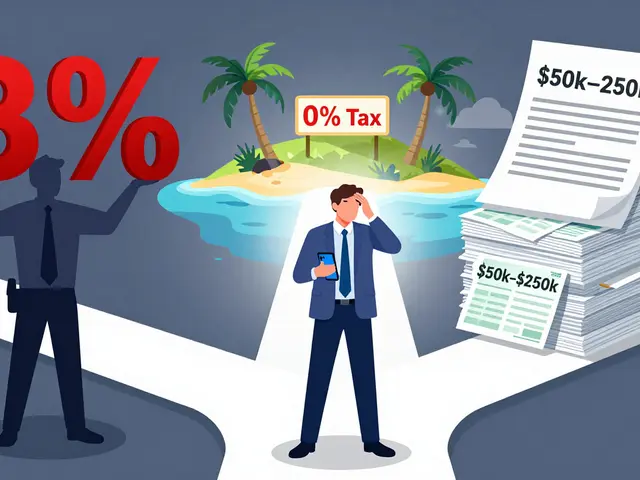
Imagine holding a digital portfolio worth millions. You’ve watched the charts climb, you’ve held through the dips, and now you’re looking at the exit strategy. But there’s a catch. Depending on where you live, the government wants up to 37% of your gains. That isn’t just a fee; it’s a life-altering deduction. This is why high-net-worth individuals are turning to legal crypto tax relocation. It sounds simple in theory: move to a place with lower taxes. In practice, it costs between $50,000 and $250,000. Why such a steep price tag? Because you aren’t just buying a plane ticket. You are engineering a complete legal identity shift.
The Reality of High-Stakes Tax Migration
You might think moving countries is like moving apartments. You pack boxes, sign a lease, and show up. For crypto holders with significant assets, that approach is dangerous. The IRS, HMRC, and other major tax authorities have cracked down hard on "mailbox taxpayers"-people who claim residency abroad without actually living there. If you get caught faking residency, you don’t just pay back taxes. You face criminal charges for fraud.
This is where the cost comes in. You need ironclad proof that you are a bona fide resident of a new jurisdiction. This requires more than just a passport. It requires a physical presence, local bank accounts, utility bills, and often, citizenship or permanent residency programs that have their own hefty price tags. The $50,000 to $250,000 range covers the professional team needed to make this transition legally bulletproof.
Breaking Down the $50,000-$250,000 Price Tag
Where does all that money go? It’s not one single bill. It’s a stack of specialized services. Here is how the budget typically breaks down for a serious crypto tax relocation strategy.
| Service Category | Estimated Cost Range | What It Covers |
|---|---|---|
| International Tax Law Firms | $15,000 - $60,000 | Initial audit of your current tax status, structuring the exit strategy, and filing final returns in your home country. |
| Citizenship by Investment Programs | $100,000 - $200,000+ | Donations or real estate purchases required by countries like St. Kitts, Vanuatu, or Malta to gain a second passport. |
| Immigration Attorneys | $10,000 - $30,000 | Handling visa applications, residency permits, and ensuring compliance with immigration laws in the destination country. |
| Crypto-Specific Accounting | $5,000 - $20,000 | Reconciling years of complex DeFi transactions, staking rewards, and NFT trades for both old and new jurisdictions. |
| Relocation Logistics | $10,000 - $50,000 | Securing housing, setting up local banking, obtaining driver’s licenses, and establishing physical presence evidence. |
The biggest chunk usually goes toward the citizenship or residency program itself. Many zero-tax crypto havens require a substantial investment to join their ranks. Then you have the legal team. You can’t use a general practitioner for this. You need lawyers who understand both international tax law and the nuances of cryptocurrency. They ensure you don’t accidentally trigger a "substantial presence test" in your old home country after you leave.

Choosing the Right Jurisdiction
Not all low-tax countries are created equal. Some offer true zero capital gains tax on crypto, while others have loopholes that close every few years. Your legal team will evaluate destinations based on three main factors: tax efficiency, ease of entry, and stability.
Dubai is a popular hub for crypto professionals due to its zero income tax and pro-crypto regulatory framework.
Dubai has become a magnet for crypto natives. The Global Virtual Asset Centre (GVAC) provides clear regulations, and there is no personal income tax. However, getting residency here requires either starting a business or buying property, which adds to the upfront cost. Another option is Portugal, which recently updated its Non-Habitual Resident (NHR) regime. While it used to be a haven for digital nomads, the rules tightened in 2024, making it less attractive for pure tax avoidance but still viable for certain structures. For those seeking complete anonymity and zero crypto tax, Caribbean nations like Saint Kitts and Nevis offer citizenship by investment programs that allow dual citizenship and no worldwide income tax.
Your choice depends on your lifestyle. Do you want to live in a bustling city with world-class infrastructure? Or are you okay with a quieter island life? The legal costs vary wildly depending on how difficult it is to enter these jurisdictions. Easier entry points might have higher ongoing maintenance fees, while harder-to-get passports might require larger upfront investments.
The Risk of Cutting Corners
It’s tempting to skip the expensive lawyers and try to DIY your relocation. Maybe you’ll just buy an Airbnb in Dubai and work remotely from there for six months. You might save $50,000 upfront. But here’s the risk: the IRS uses algorithms to track your digital footprint. If your IP address, your bank statements, and your social media activity suggest you’re still living in the US, they will flag you.
The penalty for failing to report foreign financial accounts (FBAR) can start at $10,000 per violation and go up to 50% of your account balance. Add in back taxes, interest, and potential criminal fines, and your savings vanish overnight. The $50,000-$250,000 you spend on legal counsel is essentially insurance. It buys you peace of mind knowing that your residency change is documented, defensible, and compliant with international treaties.

Steps to Execute a Legal Relocation
If you’re serious about this path, here is the roadmap most successful clients follow:
- Audit Your Current Status: Hire a tax attorney to review your last five years of filings. Identify any unreported income or missing forms.
- Select Target Jurisdictions: Narrow down two or three countries based on tax laws, lifestyle, and entry requirements.
- Secure Residency/Citizenship: Work with immigration lawyers to file for visas or citizenship by investment. This process can take 6 to 18 months.
- Establish Physical Presence: Move to the new country. Rent or buy a home. Get a local phone number. Open a local bank account. Spend at least 183 days a year there.
- File Exit Taxes: Properly terminate your tax residency in your home country. This often involves filing a final return and notifying local authorities.
- Ongoing Compliance: Maintain records in your new jurisdiction and file annual reports as required. Even in zero-tax countries, you may need to declare foreign assets.
Each step requires professional guidance. Skipping even one can unravel the entire strategy. For example, if you don’t properly terminate your US tax residency, you remain liable for worldwide income forever, regardless of where you sleep at night.
Is It Worth the Cost?
Let’s do the math. If you have $5 million in unrealized crypto gains, and you’re moving from a 37% tax bracket to a 0% tax jurisdiction, you save $1.85 million. Even if you spend $200,000 on legal fees, relocation, and citizenship programs, you’re still netting over $1.6 million in savings. For high-net-worth individuals, the ROI is undeniable.
But it’s not just about money. It’s about freedom. It’s about choosing where you want to live, work, and raise your family without being penalized for your success. The cost is high because the stakes are high. You’re not just changing addresses; you’re changing your legal and financial future.
Can I just move to a low-tax country without hiring lawyers?
Technically yes, but it’s extremely risky. Tax authorities look for "bona fide" residency, which means you must prove you physically live there, not just that you have a mailbox. Without legal guidance, you might fail to meet the substantial presence tests or miss critical exit procedures, leading to heavy penalties and audits.
Which countries have zero crypto tax?
Several countries currently offer zero capital gains tax on cryptocurrency, including Dubai (UAE), Singapore, Malaysia, and several Caribbean nations like Saint Kitts and Nevis. However, tax laws change frequently, so you must verify current regulations with a local expert before moving.
How long does the relocation process take?
The timeline varies widely. Simple visa processes might take 3-6 months. Citizenship by investment programs can take 6-18 months. The actual move and establishment of residency should happen gradually to avoid triggering tax traps in your home country.
Will I lose my original citizenship?
Most popular crypto-friendly jurisdictions allow dual citizenship. Countries like Canada, the UK, and many EU nations permit you to hold multiple passports. However, some countries like Japan and China restrict dual citizenship, so research your specific situation carefully.
What happens if I travel back to my home country?
Short visits are generally fine. However, spending more than 183 days in your former home country in a tax year could re-establish your tax residency there. Always consult your tax advisor before planning extended trips back home.

Write a comment