Imagine buying a concert ticket for $100 and selling it later for $250. In the old world, you keep that extra $150. The artist gets nothing. The venue gets nothing. But in the emerging world of NFT ticket resale markets, blockchain-based ecosystems where tokenized event tickets are traded after initial purchase with automated royalty distributions, that changes everything. That same sale might automatically send $15 back to the artist as a royalty. This shift isn't just about technology; it is a fundamental rewrite of how value flows in the live entertainment industry.
The global market for these platforms was valued at USD 1.34 billion in 2025. Analysts project this number will explode to USD 7.82 billion by 2033. We are seeing a rapid transition from experimental tech to mainstream utility. Event ticketing NFTs now make up 5.3% of sales across major U.S. venues. This is not a niche hobby anymore. It is a growing infrastructure for the future of events.
How Smart Contracts Control the Resale
The magic behind these markets lies in smart contracts, self-executing programs on blockchains that automate actions like royalty payments when conditions are met. Unlike a paper ticket or a standard PDF, an NFT ticket is code. When you buy one, you aren't just getting access; you are holding a digital asset governed by rules set by the organizer.
These contracts run primarily on Ethereum, the leading blockchain platform powering nearly 62% of all NFT transactions in 2025, along with faster, cheaper alternatives like Polygon, a Layer-2 scaling solution for Ethereum that reduces transaction costs and Solana, a high-performance blockchain known for low fees and fast processing speeds. The technical architecture uses standards like ERC-721 to create immutable records. This means the ticket cannot be duplicated. If someone tries to print two copies, the blockchain rejects the second one as invalid.
Here is where the economics get interesting. These smart contracts can enforce specific rules:
- Automatic Royalties: On every resale, a percentage (typically 5-10%) goes directly to the original creator or organizer. This generates perpetual revenue streams that traditional platforms do not offer.
- Price Caps: Organizers can limit how much a ticket can be resold for. This fights scalping and keeps tickets affordable for fans.
- Transfer Conditions: Tickets can be programmed to only transfer after a certain date or only to verified wallets, preventing unauthorized bulk buys.
This level of control was impossible with legacy systems. It turns a one-time sale into a long-term relationship between the artist and the fan.
NFT vs. Traditional Resale Platforms
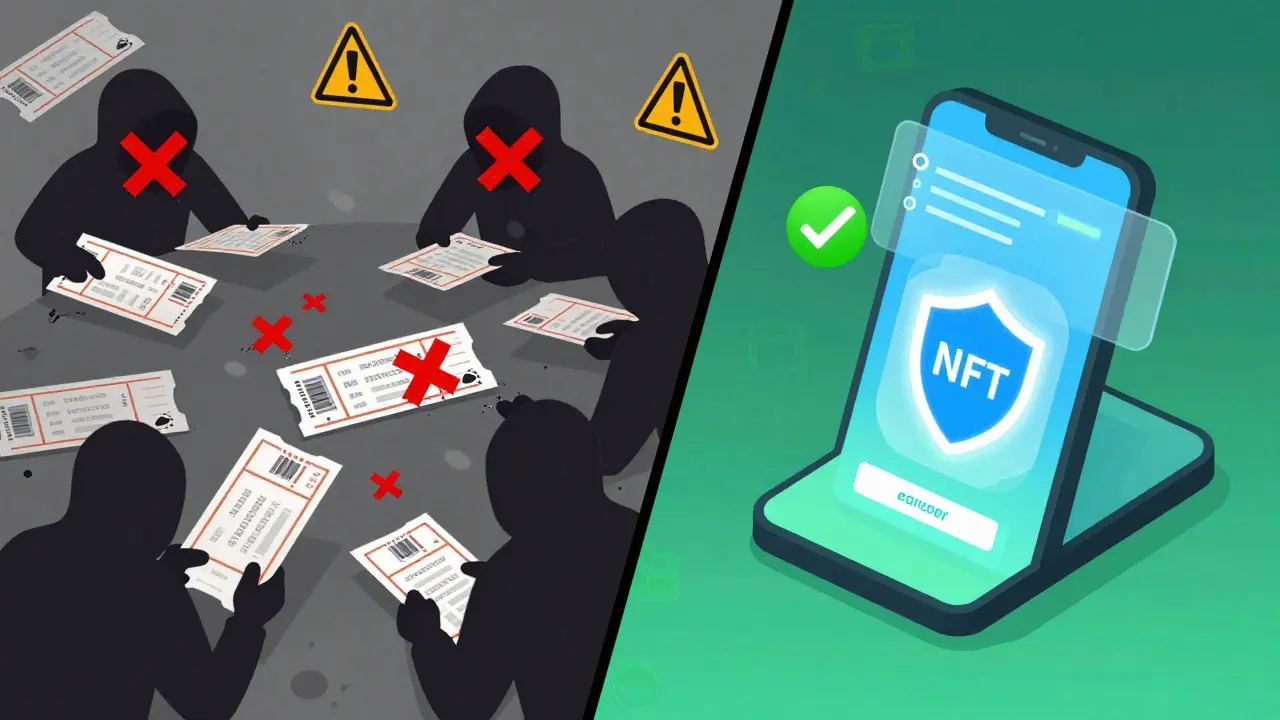
To understand why this matters, we need to look at the competition. Platforms like StubHub and Vivid Seats have dominated secondary ticketing for years. They are familiar, easy to use, and widely accepted. But they have a flaw: they take fees without giving anything back to the creator.
| Feature | Traditional Platforms (StubHub/Vivid) | NFT Resale Markets |
|---|---|---|
| Creator Revenue | None (Organizer gets $0 from resale) | 5-10% automatic royalty per sale |
| Fraud Risk | High (Counterfeit PDFs exist) | Near Zero (Blockchain verifies authenticity) |
| Transaction Costs | Low (Standard credit card fees) | Variable (Gas fees can add $20-$50) |
| User Experience | Familiar (Email/Phone login) | Complex (Requires crypto wallet setup) |
| Data Ownership | Platform owns user data | User owns data via private keys |
Traditional platforms charge 10-15% fees. NFT platforms also have costs, but the structure is different. The biggest hurdle for NFTs right now is gas fees, transaction costs paid to network validators to process blockchain operations. During peak times, these can spike, adding $20 to $50 to a ticket purchase. For a $50 ticket, that is a dealbreaker. For a $500 VIP experience, it is negligible. This cost dynamic shapes which events adopt NFTs first: high-value, exclusive experiences rather than cheap matinee shows.
The User Experience Barrier
Let's talk about the person trying to buy the ticket. If you are under 30 and have used MetaMask, a popular cryptocurrency wallet software for managing digital assets and interacting with dApps before, this feels natural. You connect your wallet, approve the transaction, and hold the ticket in your digital pocket. It is secure. It cannot be lost in the mail. It cannot be damaged by rain.
But for the average consumer? It is frustrating. Setting up a wallet involves creating seed phrases, backing up private keys, and buying cryptocurrency. One wrong click, one lost key, and the ticket is gone forever. User feedback highlights this learning curve as the biggest barrier. Negative reviews often cite confusion over "gas fees" and anxiety about security.
However, there is a silver lining. Engagement is higher. Open rates for wallet-based communications hit 50%+, compared to 20-30% for email marketing. Why? Because the ticket lives in an app people check for their assets. It creates a direct line between the organizer and the fan, bypassing the email spam filters.
Who Is Adopting This Now?
Adoption is uneven. Gaming NFTs account for 38% of global NFT transactions in 2025, showing that gamers are already comfortable with digital ownership. Music NFTs have generated over $520 million in revenue through streaming-linked tokens. But live events are different.
Celebrity-driven events and influencer-hosted gatherings are leading the charge. They use NFT tickets for exclusivity. Holding the ticket might grant backstage access, merchandise discounts, or entry to future meetups. It turns the ticket into a membership card. Mainstream giants like Ticketmaster and Eventbrite are exploring hybrid models. They want the Web3 benefits (transparency, royalties) without the Web3 friction (wallets, gas fees).
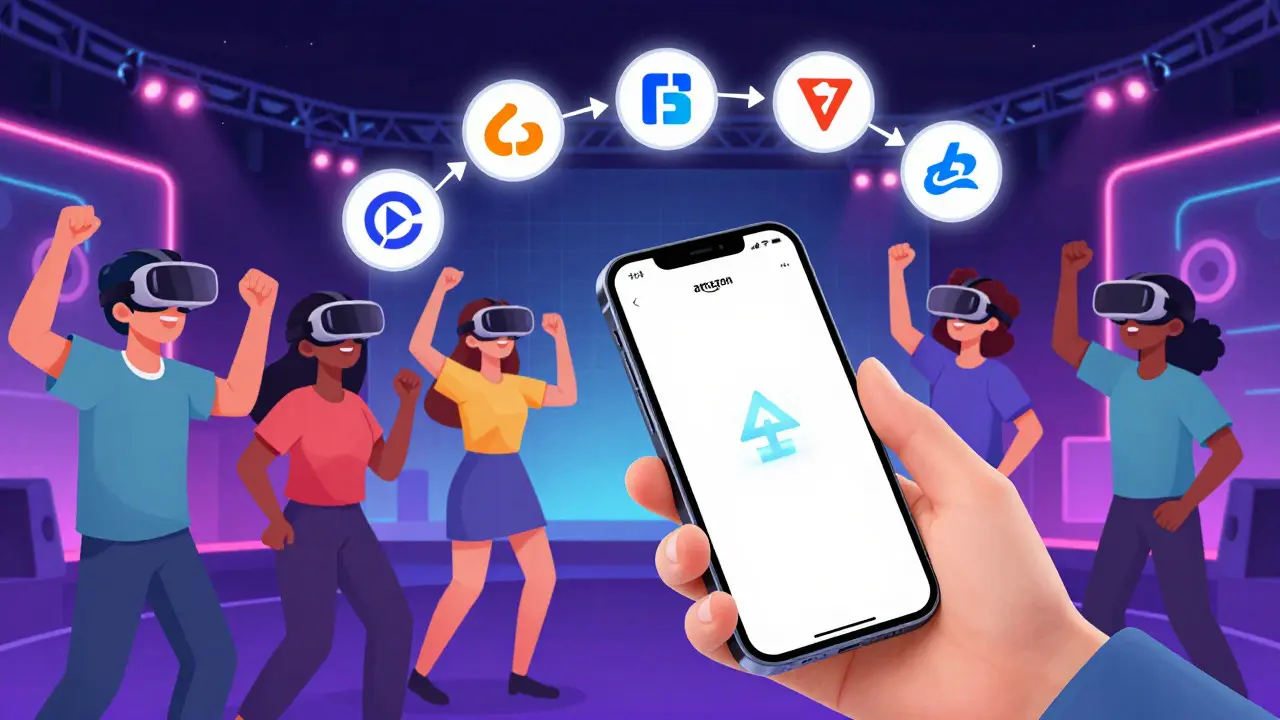
Demographically, only 11% of the 35-54 age group currently uses NFTs. This is a gap. But as consumer awareness jumped from 20% to 65% globally, mature audiences are warming up. The key is simplification. If the interface looks like Amazon, but works like Bitcoin, adoption will accelerate.
Implementation Challenges for Organizers
If you are an event planner looking to jump in, here is the reality check. Implementing NFT ticketing takes 3-6 months. You need developers who understand solidity, the primary programming language for writing smart contracts on Ethereum and blockchain architecture. You need to integrate with venue access systems so the QR code on the phone actually opens the door.
Scalability is a risk. If 10,000 people try to buy tickets at once, the blockchain can clog. Layer-2 solutions help, but they add complexity. Support quality varies wildly. Established providers have docs and teams. Newer platforms might leave you stranded if a transaction fails.
Yet, the potential reward is huge. Hundreds of millions in secondary revenues are projected by 2034. That is money that stays in the ecosystem, supporting artists and venues long after the show ends.
Future Trends: Metaverse and Interoperability
The next frontier is virtual. NFT tickets are becoming access tokens for metaverse, persistent virtual worlds where users interact via avatars using VR/AR technology concerts and conferences. Imagine attending a virtual Taylor Swift show from your living room, wearing a VR headset, holding an NFT ticket that proves your attendance and unlocks exclusive digital merch.
Interoperability is improving too. Soon, your NFT ticket from one platform might work on another. This increases liquidity. You won't be stuck on one marketplace. You can sell it wherever you get the best price. This fluidity makes the secondary market more efficient and fair.
We are moving toward a hybrid model. Web2 interfaces for ease of use, Web3 backend for security and royalties. The goal is invisible blockchain. You shouldn't know you are using blockchain. You should just know the ticket is safe, fair, and valuable.
Are NFT tickets safer than paper tickets?
Yes, significantly. Paper tickets can be photocopied, forged, or lost. NFT tickets exist on a blockchain, which is an immutable ledger. Each ticket has a unique identifier that cannot be duplicated. If you lose your device, you can recover your ticket using your private keys, whereas a lost paper ticket is gone forever. However, security depends on user behavior; losing your private key means losing access permanently.
Do artists really get paid from NFT ticket resales?
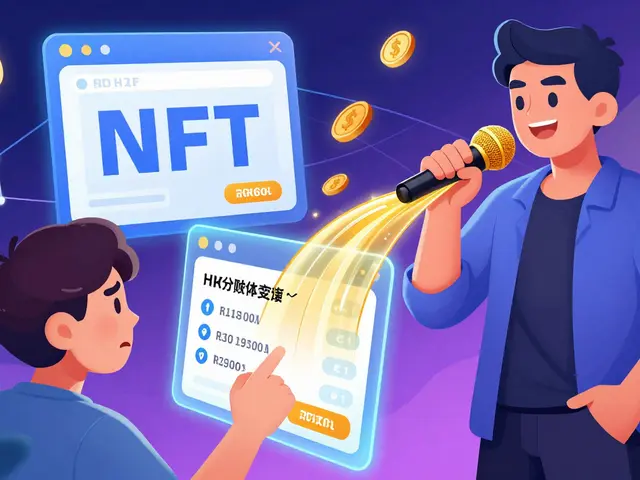
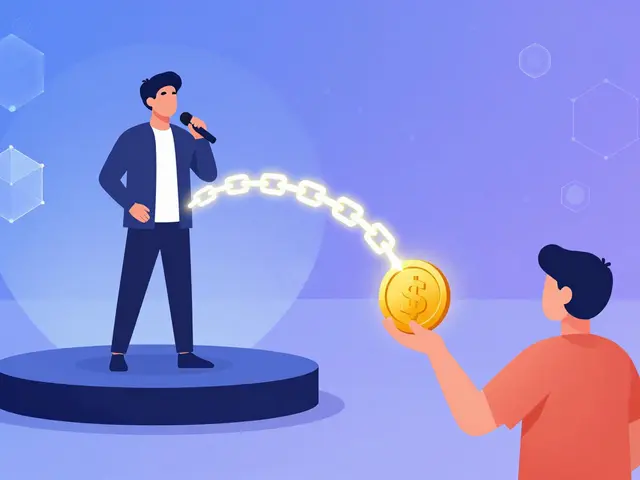
Yes, this is one of the core advantages. Smart contracts embedded in the NFT can automatically send a percentage (usually 5-10%) of every resale transaction directly to the artist or organizer. This creates a continuous revenue stream from the secondary market, which traditionally benefits only scalpers and platforms.
What are gas fees, and why do they matter?
Gas fees are the transaction costs paid to blockchain networks to process and validate transactions. On Ethereum, these can range from $5 to $50+ depending on network congestion. For low-cost tickets, high gas fees can make the total price prohibitive. This is why many platforms are moving to Layer-2 solutions like Polygon or Solana, which offer near-zero fees.
Can I use an NFT ticket at a physical venue?
Yes, most modern NFT ticketing platforms generate a dynamic QR code within your wallet app that scans just like a standard mobile ticket. The venue's scanner verifies the ticket against the blockchain in real-time to ensure it hasn't been transferred or duplicated since the last scan.
Is the NFT ticketing market environmentally friendly?
It depends on the blockchain. Older Proof-of-Work chains like early Ethereum had high energy consumption. However, Ethereum switched to Proof-of-Stake in 2022, reducing energy use by 99.95%. Many NFT ticketing platforms now use eco-friendly chains like Polygon or Solana, which have minimal environmental impact compared to traditional data centers used by legacy ticketing firms.
Write a comment