Imagine buying a concert ticket for $100. A week later, you see it listed on a resale site for $450. You might feel frustrated paying that premium, but the artist who created the show? They likely saw zero dollars from that extra $350. That is the old way of doing things. Now, picture a system where every time that ticket changes hands, a small percentage automatically flows back to the creator. This is not science fiction; it is the reality of NFT ticket resale markets, which are blockchain-based ecosystems allowing tokenized event tickets to be traded securely with automated royalty distributions and embedded rules. As of 2026, this technology has moved beyond hype into practical application, reshaping how we think about ownership, fraud, and revenue in the live events industry.
How NFT Ticket Resale Works
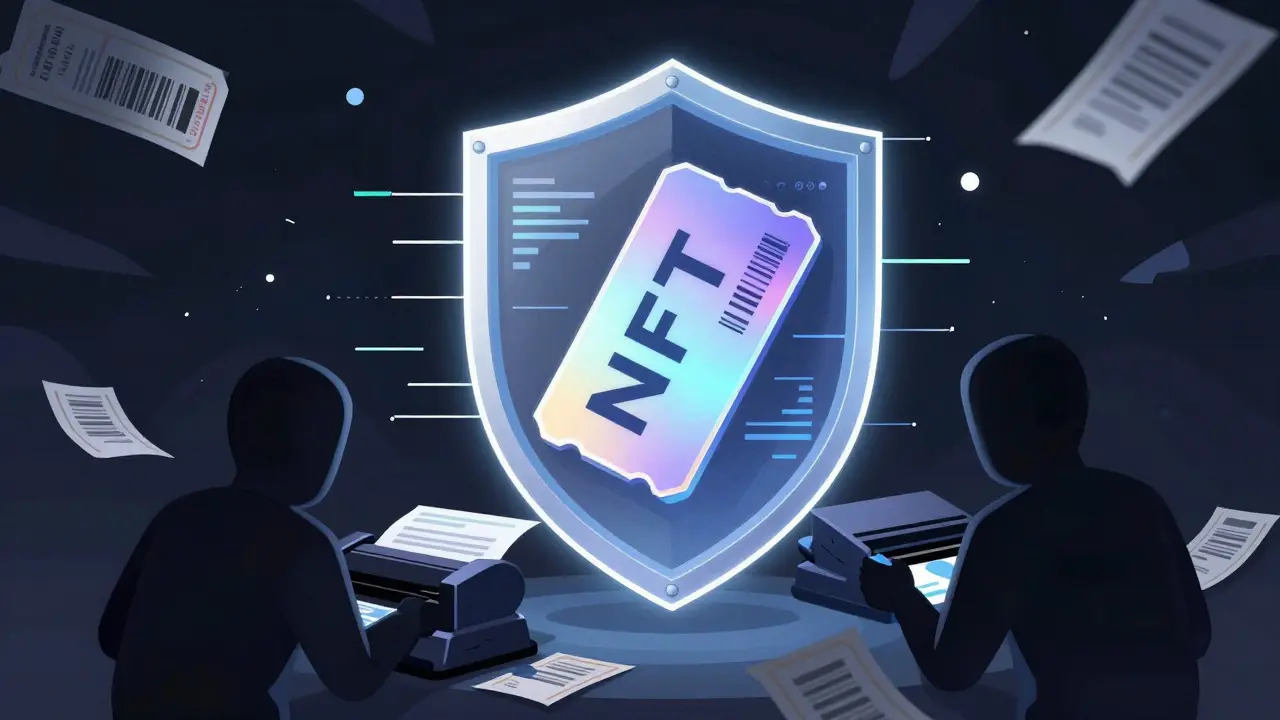
To understand why this matters, you need to look under the hood. Traditional tickets are essentially PDFs or barcodes. They can be copied, screenshotted, and sold by scalpers without the original seller knowing anything about it. An NFT ticket is different because it lives on a blockchain. Think of it as a digital certificate of authenticity that cannot be forged.
When an event organizer creates an NFT ticket, they write a set of instructions called a smart contract. This code automatically executes transactions based on predefined conditions, such as transferring ownership and distributing royalties. These contracts handle everything from verifying your identity at the door to splitting the cash when you resell the ticket. Most of these systems run on blockchains like Ethereum, Polygon, or Solana. In 2025, Ethereum handled nearly 62% of all NFT transactions, making it the dominant backbone for many of these platforms. However, because Ethereum can get crowded and expensive, many organizers are shifting toward Layer-2 solutions or alternative chains like Polygon to keep costs down.
The magic happens during the resale. Let’s say you buy a ticket to a festival. If you decide you can’t go, you list it on a secondary marketplace. When someone buys it from you, the smart contract instantly triggers. It transfers the ticket to the new buyer’s wallet and simultaneously sends a pre-agreed royalty-often between 5% and 10%-back to the event organizer or artist. This means the creator earns money not just from the initial sale, but from every subsequent trade. It turns a one-time transaction into a recurring revenue stream.
The Business Case: Why Organizers Are Switching
You might wonder why any major venue would bother with the technical headache of blockchain. The answer is simple: control and profit. The global NFT ticketing platform market was valued at USD 1.34 billion in 2025. Projections suggest it could hit USD 7.82 billion by 2033. Those numbers don’t lie. Event organizers are seeing a clear path to higher margins and better fan relationships.
In traditional secondary markets like StubHub or Vivid Seats, the platform takes a cut (usually 10-15%), and the rest goes to the reseller. The original artist gets nothing. With NFT resale markets, the dynamic flips. Organizers can cap resale prices to prevent gouging, ensuring fans aren’t priced out of their own concerts. They can also enforce specific transfer conditions. For example, a promoter might program a ticket so it can only be resold within 48 hours of the event, reducing long-term speculation.
Beyond the money, there is data. Traditional tickets disappear once scanned. NFT tickets remain in a user’s wallet. This allows organizers to track attendance accurately and engage fans post-event. Imagine receiving a discount code for merchandise directly in your wallet after the concert ends. Open rates for these wallet-based communications often exceed 50%, compared to the 20-30% typical for email marketing. That kind of engagement is gold for marketers trying to build loyal communities rather than just selling seats.
| Feature | Traditional Resale (e.g., StubHub) | NFT Resale Marketplaces |
|---|---|---|
| Creator Royalties | None (Artist earns $0 from resale) | Automated (5-10% per transaction) |
| Fraud Risk | High (Counterfeits, duplicates possible) | Low (Immutable blockchain records) |
| Price Control | Limited (Market-driven, often leads to gouging) | Programmable (Caps and restrictions enforced by code) |
| User Experience | Familiar (Credit card, email delivery) | Complex (Requires crypto wallet, gas fees) |
| Post-Event Engagement | Minimal (Ticket becomes useless) | High (Wallet access for exclusive content) |
The User Experience: Hurdles and Realities
Let’s be honest: using an NFT ticket isn’t as easy as clicking "Buy Now" and entering a credit card number. For the average person, the barrier to entry is real. To participate, you need a cryptocurrency wallet. You need to manage private keys. And yes, you often need to pay "gas fees"-the transaction costs required to process the trade on the blockchain.
During periods of high network congestion, these gas fees can spike. Users have reported paying an extra $20 to $50 just to finalize a ticket purchase or resale. That is a significant friction point. If a ticket costs $100, adding $30 in fees makes the total cost prohibitive for many fans. This is why Layer-2 solutions and networks like Polygon are gaining traction; they offer faster speeds and lower fees, sometimes fractions of a cent.
There is also the learning curve. Reddit forums and community groups are filled with stories of users losing access to their tickets because they forgot their seed phrase or sent funds to the wrong address. Unlike a bank account, there is no "forgot password" button in crypto. If you lose your key, you lose your ticket. This anxiety deters mainstream adoption. Currently, only about 11% of the 35-54 demographic uses NFTs regularly. While awareness of NFTs globally jumped from 20% to 65% recently, comfort levels lag behind curiosity.
However, for those who stick with it, the benefits are tangible. Wallet-based storage eliminates the risk of losing a physical paper ticket or having a PDF corrupted. The authentication is instant and secure. Plus, many NFT tickets come with perks. Holding a specific ticket might grant you backstage access, early entry to future sales, or discounts on merch. These utility features make the ticket more than just a pass; it becomes a membership card.
Implementation Challenges for Organizers
If you are an event planner thinking about switching to NFTs, prepare for a project that takes time. Implementing an NFT ticketing system is not a plug-and-play solution. It requires substantial technical infrastructure. You need developers skilled in smart contract programming, usually in languages like Solidity. You need to integrate blockchain architecture with existing venue access systems, which often rely on legacy barcode scanners.
A typical implementation timeline ranges from 3 to 6 months for custom solutions. During this period, you must test for scalability. What happens if 50,000 people try to buy tickets at the exact same second? Can the blockchain handle the load without crashing or skyrocketing fees? High-demand sales are the ultimate stress test. Many early adopters faced issues where transactions failed due to network bottlenecks, leading to customer frustration.
User education is another massive task. Organizers must provide clear guides on how to set up wallets, acquire cryptocurrency, and safely store assets. Support teams need to be trained to help non-technical users navigate these tools. Without robust support, the friction mentioned earlier will drive customers away. Established providers are starting to offer comprehensive documentation and community resources, but newer platforms often lack adequate assistance, leaving users stranded.
Future Trends: Hybrid Models and Mainstream Adoption
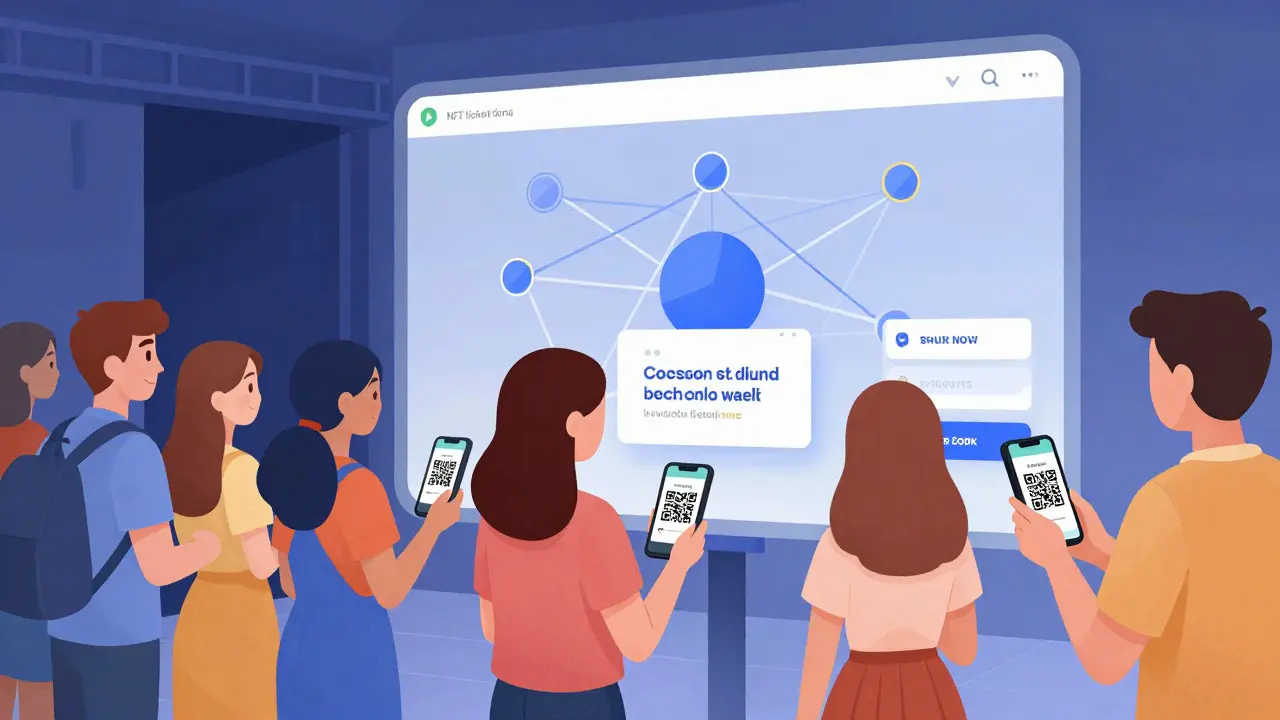
The future of ticketing won’t be purely Web3 or purely Web2. It will be hybrid. We are already seeing major players like Ticketmaster and Eventbrite exploring NFT integration. The goal is to hide the complexity from the user. Imagine buying a ticket with a credit card, but behind the scenes, an NFT is minted and stored in a custodial wallet managed by the platform. You get the security and royalty benefits of blockchain without ever needing to touch a private key.
Interoperability is also improving. Soon, an NFT ticket bought on one platform might be usable across multiple blockchain ecosystems, increasing liquidity and giving buyers more options. Additionally, the rise of the metaverse and virtual reality is creating new use cases. NFT tickets will serve as access tokens for virtual concerts and conferences, blending physical and digital experiences. Gaming NFTs already account for 38% of global NFT transactions, showing that digital asset ownership is becoming normalized among younger audiences.
As consumer awareness grows and interfaces become smoother, the technical barriers will fade. The core value proposition-fairer revenue distribution, fraud prevention, and enhanced fan engagement-will drive widespread adoption. By 2034, analysts predict the market could reach USD 3.62 billion, driven by a 14.9% compound annual growth rate. The question is no longer if NFT ticketing will become standard, but how quickly the rest of the industry will catch up.
Key Takeaways for Buyers and Sellers
- Check the Fees: Before buying, calculate the total cost including potential gas fees. Look for platforms using Layer-2 solutions to minimize these costs.
- Secure Your Wallet: Treat your private key like cash. Write it down physically and store it safely. Never share it online.
- Verify the Smart Contract: Ensure the ticket comes from an official source. Scammers can create fake NFTs that look identical to real ones. Always check the contract address against the organizer’s official announcements.
- Understand the Rules: Read the resale parameters. Is there a price cap? Can you resell immediately, or is there a lock-up period? These details are embedded in the token itself.
- Look for Utility: Choose tickets that offer additional value beyond entry, such as exclusive content or future discounts, to maximize your investment.
What is an NFT ticket resale market?
An NFT ticket resale market is a secondary trading ecosystem built on blockchain technology where tokenized event tickets are bought and sold after the initial purchase. Unlike traditional platforms, these markets use smart contracts to automate processes like royalty payments to creators and enforce resale rules, such as price caps, to prevent scalping.
How do artists benefit from NFT ticket resales?
Artists and event organizers benefit through automated royalty streams. Every time an NFT ticket is resold, a predetermined percentage (typically 5-10%) is automatically sent to the creator via the smart contract. This ensures they earn revenue from secondary transactions, which is impossible in traditional ticketing models.
Are NFT tickets safe from counterfeiting?
Yes, NFT tickets are highly resistant to counterfeiting. Because they exist on a decentralized blockchain, each ticket has a unique, immutable record of ownership. Duplication is technically impossible, and verification is instant through wallet confirmation, eliminating the risk of fake tickets common in traditional markets.
What are the main drawbacks of NFT ticketing for users?
The main drawbacks include high transaction costs (gas fees), which can add $20-$50 to purchases during network congestion, and a steep learning curve. Users must manage cryptocurrency wallets and private keys, which can be confusing and risky for those unfamiliar with blockchain technology. Additionally, environmental concerns regarding energy consumption persist, though Layer-2 solutions are mitigating this.
Which blockchains are commonly used for NFT tickets?
Ethereum is the most widely used blockchain for NFTs, handling over 60% of transactions in 2025. However, due to high fees, many ticketing platforms are adopting Layer-2 solutions like Polygon or alternative chains like Solana to offer faster and cheaper transactions while maintaining security.
Can I resell an NFT ticket below its original price?
It depends on the smart contract configuration. Organizers can program specific resale rules. Some may allow free-market pricing, while others might enforce minimum prices to protect brand value or cap maximum prices to ensure accessibility. You must check the specific terms of the ticket before purchasing.
What happens if I lose my private key?
If you lose your private key or seed phrase, you permanently lose access to your NFT ticket. Unlike traditional accounts, there is no central authority to reset your password. This highlights the importance of secure, offline backup methods for storing your wallet credentials.
Write a comment