Imagine paying $0.85 for a swap instead of $15. That’s the reality for users on Balancer V2 deployed on Coinbase's Base network. But before you rush to deposit your savings, you need to know that this isn't just another simple trading app. It is a complex financial engine designed for people who want more control over their money than a standard exchange offers.
Most beginners click away from Balancer because it looks intimidating. You see sliders for token weights, multiple assets in one pool, and terms like "impermanent loss" staring back at you. But if you are willing to spend an hour or two learning the ropes, Balancer V2 on Base offers something rare in crypto: customizable portfolios that earn you fees while you sleep. This review breaks down whether the complexity is worth the potential rewards, especially now that we are in late 2026 and the Base ecosystem has matured significantly.
What Exactly Is Balancer V2 on Base?
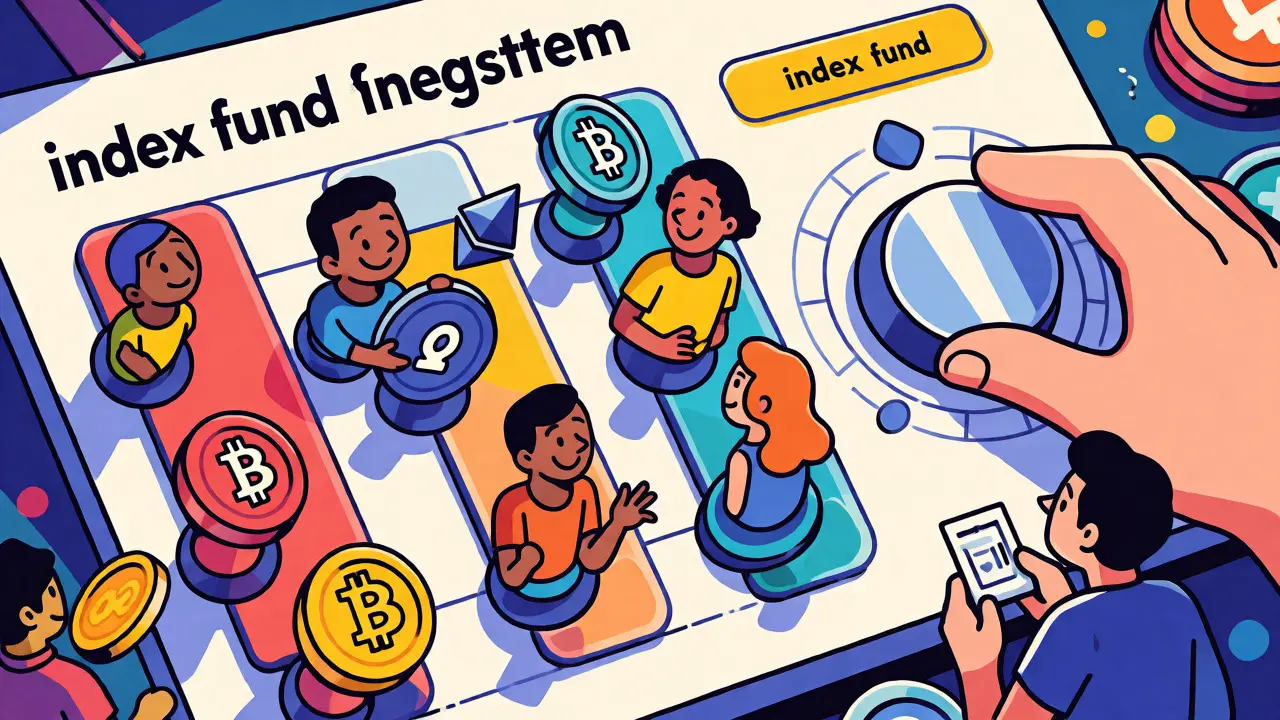
Balancer V2 is a decentralized exchange (DEX) protocol that allows users to create automated market maker (AMM) pools with up to eight different tokens in any weight ratio they choose. Unlike Uniswap, which typically forces a 50/50 split between two tokens, Balancer lets you build a pool that looks like an index fund. For example, you could create a pool with 80% Bitcoin, 15% Ethereum, and 5% Stablecoins. Every time someone trades within that pool, you earn a portion of the trading fees.
The "Base" part of the name refers to the Layer 2 blockchain developed by Coinbase. By deploying Balancer V2 on Base, the team solved the biggest pain point of early DeFi: gas fees. On the main Ethereum network, rebalancing a portfolio could cost tens of dollars. On Base, those same transactions often cost less than a dollar. This makes high-frequency strategies and small-balance investing actually viable for regular people.
| Feature | Details |
|---|---|
| Network | Base (Layer 2) |
| Average Swap Fee | $0.85 per transaction |
| Max Tokens per Pool | 8 |
| Customizable Weights | Yes (e.g., 90/10, 70/30) |
| Governance Token | BAL |
The Good Stuff: Why Traders Love It
The biggest draw here is flexibility. If you believe that Bitcoin will outperform Ethereum but don't want to sell all your ETH, you can put them both in a weighted pool. As prices shift, the pool automatically rebalances, letting you capture gains without manually trading every day. One user reported saving 12% in gas fees compared to managing separate positions on other exchanges. That adds up quickly when you are making frequent adjustments.
Another major plus is the integration with real-world assets (RWAs). Balancer has become a hub for tokenized traditional finance products. Through partnerships with protocols like Centrifuge and Maple Finance, you can trade exposure to things like U.S. Treasury bills or private credit directly inside your crypto wallet. This bridges the gap between old-school banking yields and DeFi accessibility.
- Lower Fees: Trading on Base is cheap, usually under $1.
- Portfolio Management: Build custom baskets of tokens that rebalance themselves.
- Institutional Grade: Supports complex strategies used by professional funds.
- Yield Opportunities: Earn trading fees plus BAL token incentives.
The Bad Stuff: Complexity and Risks
Let’s be honest: Balancer is not beginner-friendly. If you have never used a DEX before, you might find the interface confusing. A common complaint is the steep learning curve. One reviewer noted it took them 11 hours to understand how to configure a weighted pool properly, whereas setting up a simple swap on Uniswap took only 15 minutes. If you just want to buy some Dogecoin and go, this is not the place for you.
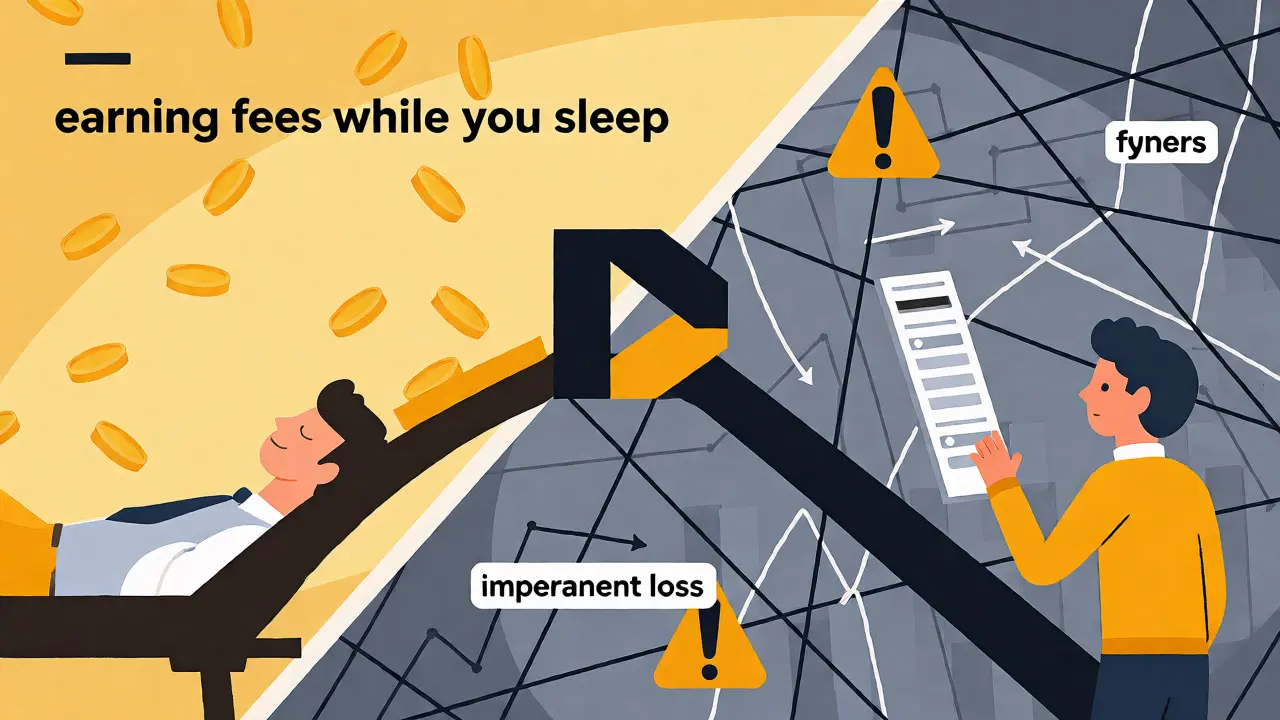
There is also the issue of impermanent loss. Because Balancer pools can hold multiple volatile assets, the risk of losing value relative to holding the tokens separately is higher. Data from early 2025 showed that nearly 70% of liquidity providers in volatile multi-token pools experienced significant impermanent loss during market swings. If the price of one token in your pool crashes while others stay flat, you might end up with less value than if you had just held the coins in your wallet.
Security is another factor to consider. While the Protocol Vault architecture has reduced vulnerabilities by 63% compared to older versions, no smart contract is perfectly safe. In February 2025, a vulnerability required users to withdraw funds from impacted pools as a precaution. While most funds were secured, it serves as a reminder that DeFi carries inherent risks that centralized exchanges do not.
How It Compares to the Competition
You are probably wondering how Balancer stacks up against the giants like Uniswap or Curve. The answer depends on what you are trying to do.
Uniswap is still the king of volume, handling about 58% of all DEX trades. It is simpler, faster, and better for single-token swaps. However, it lacks the deep customization of Balancer. If you want to trade two specific tokens quickly, go to Uniswap. If you want to manage a diversified basket of five different cryptocurrencies, go to Balancer.
Curve Finance, on the other hand, specializes in stablecoins. It is excellent for swapping USDC for USDT with minimal slippage. But if you try to use Curve for volatile assets like ETH or SOL, you will suffer from high slippage. Balancer sits in the middle: it handles volatile assets better than Curve and offers more structure than Uniswap.
Who Should Use Balancer V2 on Base?
This platform is ideal for intermediate to advanced crypto users. If you are comfortable connecting a wallet like MetaMask or Ledger to Base, understanding basic AMM mechanics, and monitoring your positions regularly, you will likely enjoy the benefits.
It is particularly good for:
- Long-term Holders: People who want to earn yield on assets they already own rather than leaving them idle.
- Index Fund Investors: Users who want to replicate a specific portfolio allocation without buying individual stocks or ETFs.
- Fee Hunters: Traders looking for lower transaction costs on a growing Layer 2 network.
If you are a complete beginner who gets anxious seeing red numbers in your portfolio, stick to a centralized exchange until you feel more confident. The mental energy required to understand why your LP position shows a loss despite the market going up can be frustrating for newbies.
Final Verdict: Is It Worth It?
Balancer V2 on Base is a powerful tool that punches above its weight in terms of features and utility. It solves the gas fee problem of Ethereum while offering the sophisticated portfolio management tools that serious investors crave. However, it demands respect. You cannot treat it like a vending machine where you insert cash and get snacks. It requires active management and a clear understanding of the risks involved.
For those willing to climb the learning curve, the rewards are tangible. Lower fees, higher potential yields through BAL incentives, and the ability to customize your exposure make it a standout choice in the crowded DeFi landscape. Just remember to start small, test with a few dollars first, and keep an eye on your pool health metrics.
Is Balancer V2 on Base safe to use?
Yes, generally speaking. The smart contracts are formally verified and audited by firms like Trail of Bits. However, DeFi always carries risk. There was a minor vulnerability in 2025, but it was resolved quickly. Always use hardware wallets and double-check URLs.
Do I need a lot of money to start using Balancer?
No. Thanks to low fees on the Base network, you can start with as little as $50 or $100. This makes it accessible for smaller investors who were previously priced out by high Ethereum gas fees.
What is impermanent loss and should I worry about it?
Impermanent loss happens when the price of tokens in your liquidity pool changes compared to when you deposited them. In volatile markets, this can mean you would have been better off just holding the tokens. It is a real risk, so monitor your positions if the market moves sharply.
Can I earn rewards besides trading fees?
Yes. Many pools offer additional incentives in the form of BAL tokens or other project-specific rewards. These can significantly boost your annual percentage yield (APY), sometimes pushing returns above 10-15% depending on market conditions.
Is Balancer available in the USA?
Balancer Labs has implemented geo-blocking for certain high-risk pools due to regulatory concerns from the SEC. Check the specific pool details before interacting to ensure it is accessible in your region.

Write a comment