Imagine buying a $10 million skyscraper. Now imagine being able to sell just one floor of it in seconds, without calling a broker or waiting weeks for paperwork. That sounds like science fiction, but it is the reality of asset tokenization, which transforms physical and financial assets into digital tokens on a blockchain. For decades, investors have been stuck with illiquid assets-things you can’t easily turn into cash. Real estate, private equity, fine art, and even corporate bonds often lock up capital for years. Tokenization changes the game by slicing these massive assets into tiny, tradable pieces.
The core promise here isn't just about technology; it's about freedom. It’s about unlocking value that has been sitting dormant because traditional markets are too slow, too expensive, or too exclusive. By moving asset ownership onto distributed ledger systems, we create a digital vault where ownership is transparent, divisible, and instantly transferable. This shift addresses a fundamental inefficiency in global capital markets: the difficulty of converting non-liquid assets into tradeable instruments accessible to everyone, not just the ultra-wealthy.
Fractional Ownership: The Key to Unlocking Value
The most immediate benefit of tokenization is fractional ownership. In the old world, if you wanted to invest in commercial real estate, you needed hundreds of thousands, if not millions, of dollars. You bought the whole building, and if you needed cash later, you had to sell the entire property-a process that could take months. With tokenization, that building is divided into thousands of digital tokens. Each token represents a small slice of ownership.
This division creates a deeper pool of potential buyers. Instead of needing one wealthy buyer to purchase the whole asset, you can have thousands of smaller investors trading shares. Chainalysis research highlights that this directly solves the problem of lengthier and more complex real estate transactions. When you own 100 tokens representing a share of an art collection, you don’t need to find a buyer for the entire painting. You just sell your tokens. This ability to exit positions partially or fully without liquidating the underlying asset dramatically increases market liquidity.
For individual investors, this means diversification. You aren't forced to put all your eggs in one basket because the entry price is lower. You can hold small stakes in a New York office building, a vineyard in France, and a startup in Silicon Valley simultaneously. For asset owners, it unlocks new revenue streams. They can raise capital for expansion or refinancing by selling off fractions while retaining majority control, avoiding the stress and cost of a full asset sale.
Speed and Settlement: From Weeks to Seconds
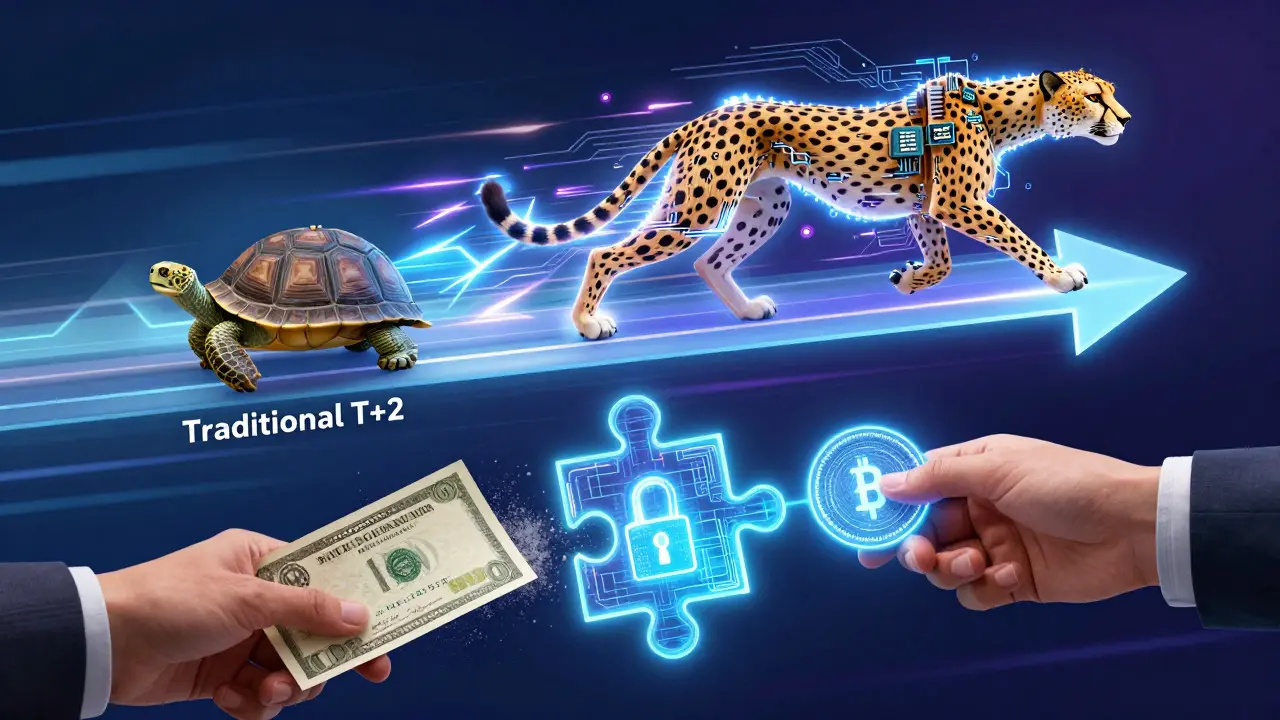
If fractional ownership opens the door, speed kicks it wide open. Traditional financial markets operate on sluggish timelines. Equity trades typically settle on a T+2 basis, meaning it takes two business days for money and shares to change hands completely. Real estate deals can drag on for 60 to 90 days, involving brokers, title companies, attorneys, and escrow agents. During this time, capital is tied up, creating counterparty risk and inefficiency.
Tokenization shatters these delays. According to the Depository Trust & Clearing Corporation (DTCC), tokenized transactions can move from T+2 to near-real-time or minute-level settlements. How? Through smart contracts. These are self-executing codes stored on the blockchain that automatically trigger actions when conditions are met. When you buy a tokenized bond, the payment and the asset transfer happen simultaneously in what is known as "atomic settlement." There is no waiting period for funds to clear. The capital becomes immediately available for other uses, drastically improving capital efficiency for both institutions and individuals.
Citigroup’s analysis points out that this speed enables 24/7/365 market operations. Traditional banks close at 5 PM and shut down on weekends. Blockchains do not sleep. If you want to transfer funds between Singapore and the United States during a holiday weekend, Citi Token Services allows it seamlessly. This continuous availability ensures that liquidity is always present, regardless of time zones or banking hours.
Cost Reduction and Operational Efficiency
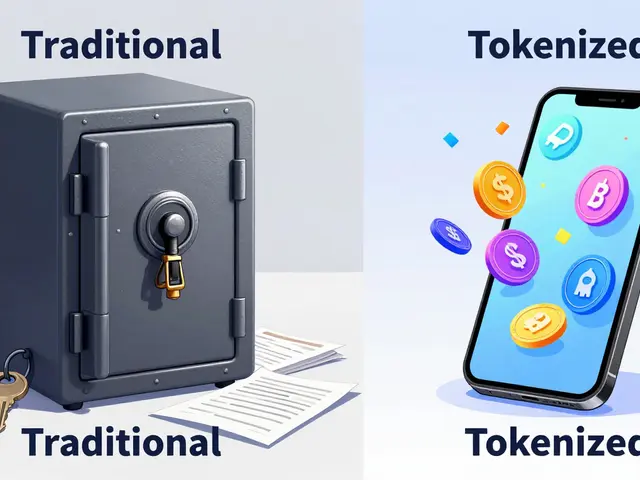
Liquidity isn't just about speed; it's also about cost. High transaction fees eat into profits and discourage trading. Traditional asset management involves a heavy layer of intermediaries. Lawyers draft contracts, custodians hold assets, clearinghouses verify trades, and administrators manage payouts. Each step adds cost and complexity.
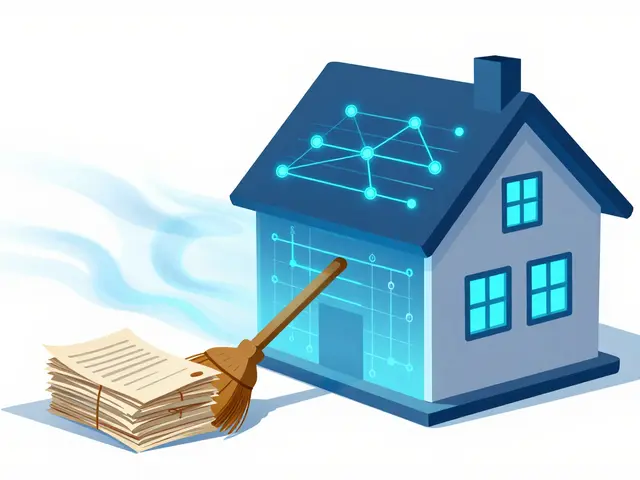
Tokenization strips away much of this middleman markup. Smart contracts automate processes that used to require armies of clerks. Consider dividend distributions. In a traditional setup, a company must manually calculate payouts, verify shareholder records, and issue checks or wire transfers. With tokenized assets, the smart contract can automatically distribute rental income from a tokenized building or interest payments from a tokenized bond directly to token holders' wallets. McKinsey notes that this reduces reconciliation needs and errors significantly.
The economic impact is substantial. Roland Berger projects cost savings of €4.6 billion (approximately $5.2 billion USD) by 2030 through reduced intermediation and administrative overhead. Jenny Johnson, CEO of Franklin Templeton, emphasizes that lowering these barriers makes alternative investments viable for a broader audience. When the cost to trade drops, volume goes up. Higher volume leads to tighter spreads and better prices, further enhancing liquidity.

Creating Secondary Markets for Illiquid Assets
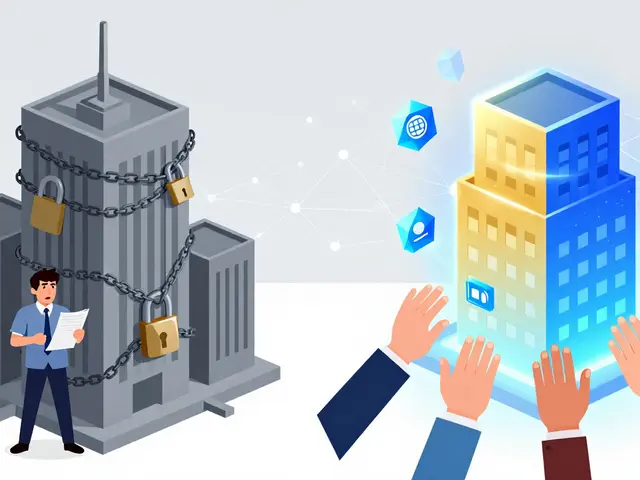
One of the biggest hurdles in investing is the lack of exit options. Private equity and venture capital funds often lock investors in for 7 to 10 years. Fine art collectors might wait years to find a buyer. These assets are "illiquid" because there is no active market to sell them quickly. Tokenization creates secondary markets where none existed before.
Once an asset is tokenized and listed on a specialized trading platform or decentralized exchange, those tokens can be traded freely among investors. Infosys research identifies that this creates a dynamic ecosystem where investors can react to market changes in real-time. If you invested in a private equity fund via tokens, you don't have to wait for the fund to mature. You can sell your tokens to another investor who wants exposure to that portfolio. This flexibility mimics the stock market experience but applies it to previously locked-up asset classes.
This secondary market functionality is crucial for price discovery. In opaque markets like private real estate, valuations are often stale estimates. Active trading of tokens provides continuous, real-world data on what people are willing to pay, leading to more accurate and transparent pricing for the underlying assets.
| Feature | Traditional Markets | Tokenized Markets |
|---|---|---|
| Settlement Time | T+2 (Equities) to 90 Days (Real Estate) | Seconds to Minutes (Near Real-Time) |
| Market Hours | Business Hours (Mon-Fri) | 24/7/365 |
| Minimum Investment | High ($10k - $1M+) | Low ($10 - $100) |
| Intermediaries | Many (Brokers, Lawyers, Custodians) | Few (Smart Contracts Automate) |
| Liquidity Access | Limited/Illiquid for Alt Assets | High via Secondary Markets |
Regulatory Landscape and Future Outlook
While the technology is ready, regulation is still catching up. Regulatory uncertainty remains a barrier, but frameworks are maturing. The European Union’s MiCA regulation sets clear rules for crypto-assets. Singapore and Switzerland have established advanced frameworks, and the US SEC continues to refine its stance on tokenized securities. Jurisdictions like Hong Kong and Dubai offer regulatory sandboxes for experimentation.
The future looks expansive. Infosys projects the tokenized asset market could reach $1 trillion to $4 trillion by 2030. The World Bank estimates global GDP could rise by $2.1 trillion due to these efficiencies. We are seeing early adoption in money markets, corporate bonds, and real estate. Platforms like Aqwire and RealT are already facilitating tokenized property trades. As central bank digital currencies (CBDCs) emerge, they will provide the stable settlement layer needed for mass adoption, eliminating reliance on volatile cryptocurrencies for backing real-world assets.
Standardization of smart contracts and cross-chain interoperability will make trading seamless across different blockchains. The long-term vision is a fundamental infrastructure shift, comparable to the move from paper certificates to electronic book-entry in the 1980s. Tokenization doesn't just improve liquidity; it rebuilds the plumbing of global finance to be faster, cheaper, and more inclusive.
What is asset tokenization?
Asset tokenization is the process of converting rights to an asset, such as real estate, art, or stocks, into a digital token on a blockchain. These tokens represent ownership and can be traded, transferred, or divided like digital currency, making traditionally illiquid assets easier to buy and sell.
How does tokenization increase liquidity?
Tokenization increases liquidity by enabling fractional ownership, allowing assets to be split into smaller, affordable units. It also speeds up settlement times from days to seconds using smart contracts and creates secondary markets where tokens can be traded 24/7, providing investors with easy exit options.
Is tokenized real estate safe?
Safety depends on the platform and regulatory compliance. Reputable platforms use institutional-grade custody solutions, multi-signature wallets, and undergo security audits. However, risks include smart contract bugs and regulatory changes. Always check if the platform complies with local laws like KYC and AML regulations.
What types of assets can be tokenized?
Almost any asset with verifiable value can be tokenized. Common examples include real estate, private equity, venture capital funds, corporate bonds, fine art, collectibles, and commodities like gold. Even intellectual property and music royalties are being explored for tokenization.
How do smart contracts help in tokenization?
Smart contracts are automated programs on the blockchain that execute agreements without intermediaries. They handle tasks like verifying ownership, transferring tokens upon payment, and distributing dividends or rental income automatically. This reduces costs, eliminates human error, and ensures fast, transparent transactions.
Write a comment