Buying cryptocurrency with Nigerian Naira (NGN) feels like trying to drink from a firehose while wearing oven mitts. You want the speed and freedom of digital assets, but the banking system is moving at a snail’s pace, often blocked by regulatory hurdles. For years, the Central Bank of Nigeria (CBN) made it nearly impossible to link your bank account directly to an exchange. But here we are in 2026, and the landscape has shifted. The door isn't wide open, but it's unlocked.
If you are sitting in Lagos, Abuja, or anywhere else in Nigeria right now, looking to convert your hard-earned Naira into Bitcoin, Ethereum, or stablecoins, you have options. They just aren't the simple "click buy" buttons you see on American apps. This guide cuts through the noise. We will look at how to actually move money from your bank to your wallet without losing half your capital to fees or getting your account frozen.
The Regulatory Reality Check
Before you spend a single Kobo, you need to understand the ground rules. In 2021, the Central Bank of Nigeria (CBN) issued a circular restricting banks from facilitating cryptocurrency transactions. This didn't make owning crypto illegal for individuals, but it made buying it with fiat currency incredibly difficult through traditional channels.
Why does this matter? Because if you try to send money to a suspicious-looking recipient via bank transfer, your bank might flag the transaction as high-risk. They don't know you're buying Bitcoin; they see a transfer to a personal account labeled "investment." To stay safe, you must use platforms that have established trust mechanisms or direct fiat integrations that comply with anti-money laundering (AML) policies. The goal is to keep your banking relationship healthy while accessing the crypto market.
Direct Fiat On-Ramps: The Easiest Path
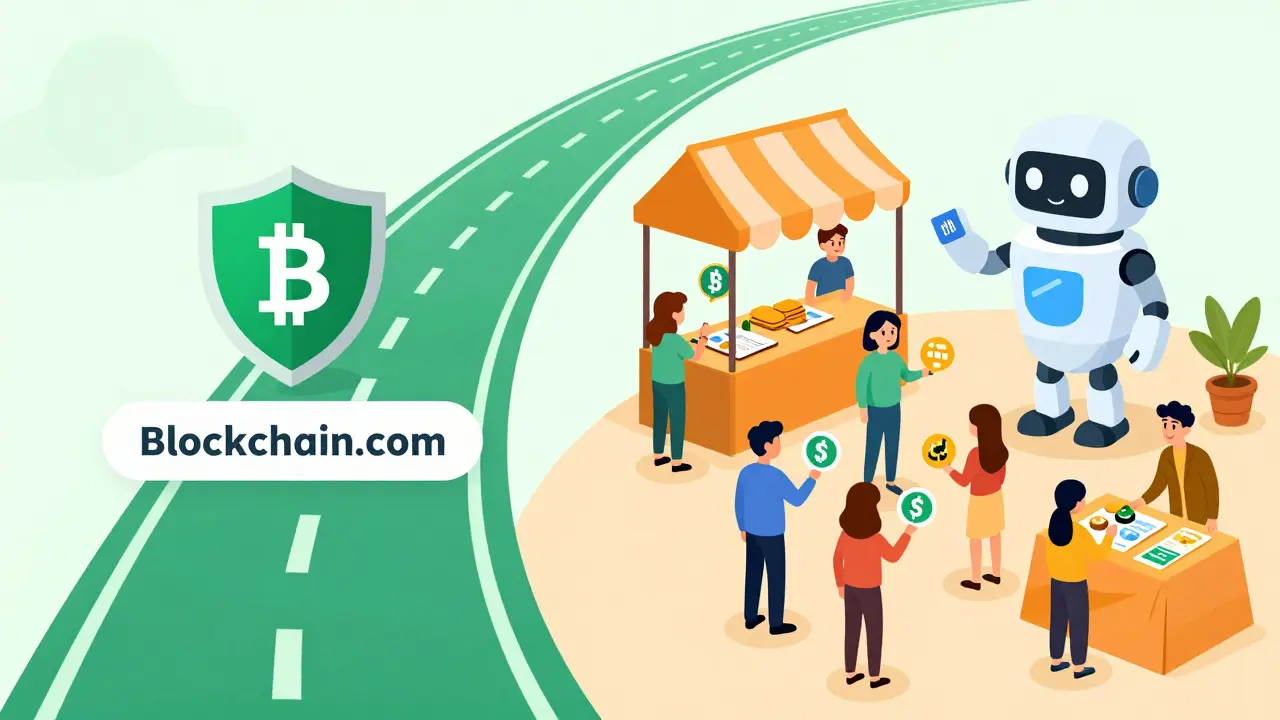
Luckily, the tide turned significantly in early 2025. Major international players realized that ignoring Africa's largest economy was bad business. The biggest win for Nigerians was when Blockchain.com announced official Nigerian Naira (NGN) support on March 6, 2025. This wasn't a hacky workaround; it was a direct integration.
Here is why this changes everything:
- No Conversion Headaches: You deposit NGN directly. No need to convert to USD first, which saves you double conversion fees.
- Speed: Identity verification typically completes within minutes.
- Asset Variety: You can buy Bitcoin, Ethereum, Dogecoin, and others immediately after funding your account.
To use this, you simply sign up, complete the KYC (Know Your Customer) process, and deposit NGN. It is the closest thing to a seamless experience available today. If you value simplicity and security over finding the absolute lowest price fraction, this is your best starting point.
P2P Trading: The Backbone of Nigerian Crypto
While direct ramps are great, Peer-to-Peer (P2P) trading remains the engine of the Nigerian crypto market. P2P allows you to buy crypto directly from other people using local payment methods like bank transfers, USSD codes, or mobile wallets. Platforms act as escrow agents, holding the crypto until you confirm payment.
| Platform | Best For | Key Feature | Payment Methods |
|---|---|---|---|
| Binance P2P | High Volume Traders | Highest Liquidity | Bank Transfer, USSD |
| Bybit P2P | New Users | $20 Signup Bonus | USD & NGN pairs |
| LocalBitcoins | Privacy Seekers | Established Reputation | Various Local Options |
Binance P2P is still the giant in the room. It has the most sellers, which means you can usually find someone willing to accept your specific bank transfer method. However, because it is so popular, it is also heavily scrutinized. Always check the seller's completion rate and number of orders before initiating a trade. Never release crypto confirmation until you see the money in your bank app, not just a screenshot sent by the seller.
Bybit has gained serious traction in Nigeria. Their P2P section is designed specifically for local users, supporting both USD and NGN pairs. They often offer incentives, like $20 signup bonuses, which helps offset initial trading fees. Bybit’s interface is cleaner for beginners than Binance, making it a strong alternative if you find Binance too cluttered.
Specialized Brokers and Aggregators
Sometimes you don't want to deal with P2P negotiations or complex exchange interfaces. That is where specialized brokers come in. These platforms aggregate offers from various providers to give you a competitive rate instantly.
Changelly is a prime example. It acts as an intermediary. You select NGN as your input currency and Bitcoin (or another asset) as your output. Changelly shows you offers from verified providers. You pay via Visa/Mastercard, Apple Pay, Google Pay, or even PayPal. For transactions under $150, the process is fast and requires minimal verification. Above that threshold, you will need to complete full KYC, including proof of address. This is excellent for foreign nationals in Nigeria or those who prefer credit card payments over bank transfers.
Then there is Luno, one of the oldest names in African crypto. Luno supports direct Naira payments and is known for its strict compliance standards. While their fees can be higher than P2P markets, the security and ease of use are unmatched for beginners. If you are worried about scams, Luno provides a very safe harbor.
The Selling Side: Converting Crypto Back to Naira
Buying is only half the battle. You eventually need to cash out. This is where Breet shines. Breet is not an exchange for buying; it is an Over-The-Counter (OTC) platform focused entirely on selling crypto for Naira.
How it works is simple: You send your crypto to Breet, and they automatically calculate the value and send the equivalent Naira to your bank account. There are no charts, no order books, and no negotiating with strangers. It is automated and reliable. Users praise Breet for its fast payouts and two-factor authentication security. However, remember: you cannot buy crypto on Breet. You need to use Binance, Bybit, or Blockchain.com to acquire the assets first, then use Breet to liquidate them efficiently.
Step-by-Step: Your Action Plan
Let’s put this all together into a concrete plan. Here is how you should proceed based on your needs:
- Choose Your Platform:
- For simplicity and direct NGN support: Use Blockchain.com.
- For best rates and volume: Use Binance P2P or Bybit P2P.
- For credit card purchases: Use Changelly.
- Create and Verify Your Account:
- Download the app or visit the website.
- Complete KYC immediately. Have your National ID, International Passport, or Driver’s License ready. Verification delays are the #1 frustration for new users, so do this first.
- Select Payment Method:
- If using P2P, filter sellers by your preferred bank (e.g., GTBank, Access Bank) to avoid inter-bank delays.
- If using direct ramps, ensure your debit card has sufficient funds and daily limits set appropriately.
- Execute the Trade:
- On P2P: Initiate the order, send the exact amount via bank transfer, and mark as paid. Wait for the seller to release crypto. Do not rush.
- On Direct Ramps: Enter the amount of NGN, review the fee, and confirm the purchase.
- Secure Your Assets:
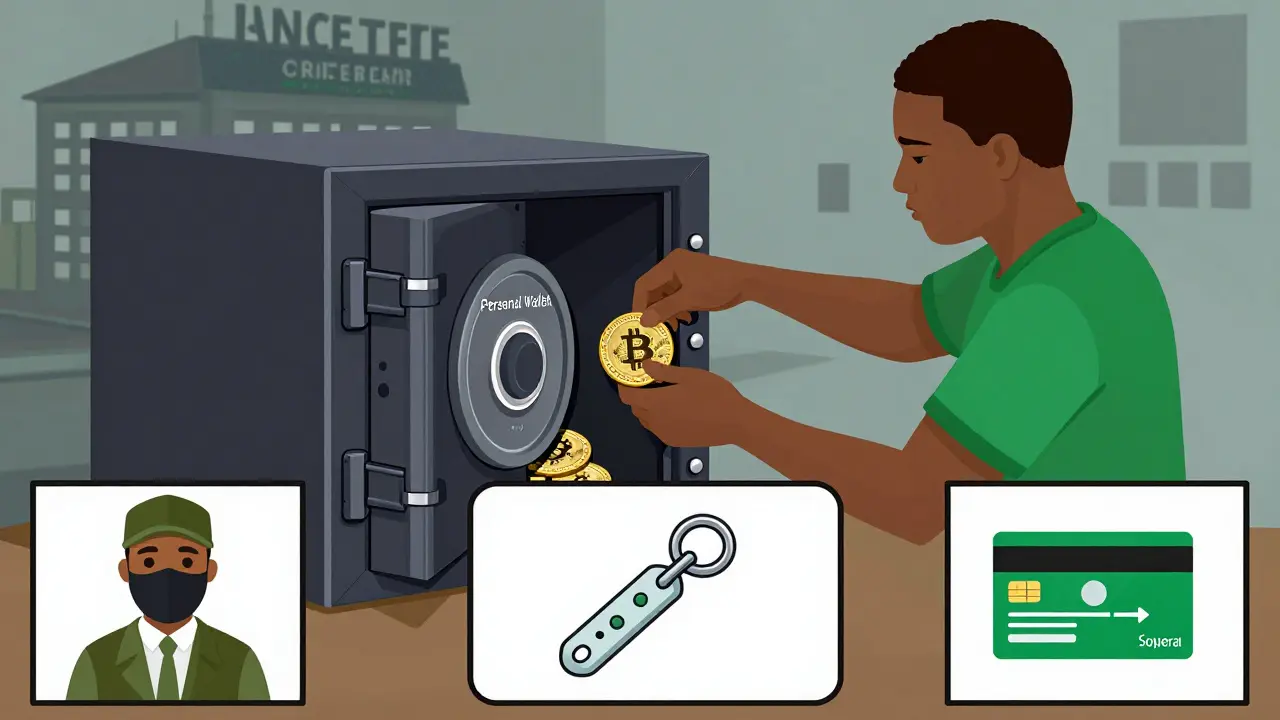
- Do not leave large amounts on exchanges. Withdraw your crypto to a non-custodial wallet like Trust Wallet or Ledger. You control the keys, you control the crypto.
Risks and Pitfalls to Avoid
The Nigerian crypto space is ripe with opportunities, but also risks. Be aware of these common traps:
- Fake Sellers: On P2P platforms, scammers may claim you haven't paid when you have. Always take screenshots of the transfer receipt and communicate only within the platform's chat system. Never move the conversation to WhatsApp or Telegram.
- Price Slippage: In volatile markets, the price of Bitcoin can change between the time you initiate a trade and when it executes. P2P prices are fixed once the order opens, but direct ramp prices can fluctuate. Act quickly during high volatility.
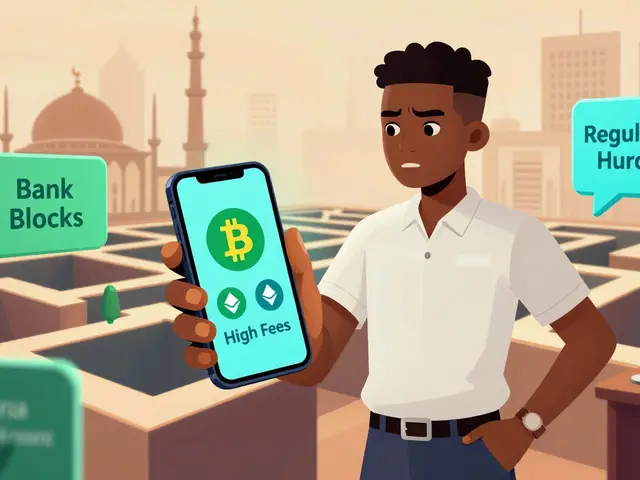
- Bank Blocks: Some banks may block transfers to known crypto-related accounts. If your transfer fails, switch to a different bank account or use a different payment method like USSD. Diversify your banking relationships.
- Phishing Links: Only download apps from official stores (Google Play, Apple App Store) or websites. Do not click links sent via SMS claiming to be from Binance or Blockchain.com.
Final Thoughts on Navigating the Market
The ability to buy crypto for fiat in Nigeria has improved dramatically since the dark days of 2021. With Blockchain.com offering direct NGN support and robust P2P ecosystems on Binance and Bybit, you have more control than ever. The key is patience and diligence. Verify your accounts early, choose reputable sellers, and always prioritize security over convenience. The market is here, and it is accessible. Now, it is up to you to navigate it wisely.
Is it legal to buy cryptocurrency in Nigeria?
Yes, owning cryptocurrency is legal for individuals in Nigeria. However, the Central Bank of Nigeria (CBN) restricts banks from facilitating crypto transactions, which is why P2P platforms and specialized brokers are used instead of direct bank-to-exchange transfers.
What is the best way to buy Bitcoin with Naira in 2026?
For beginners, Blockchain.com offers direct NGN support, making it the easiest option. For those seeking better rates, Binance P2P and Bybit P2P provide high liquidity and competitive pricing through peer-to-peer trading.
Can I use my credit card to buy crypto in Nigeria?
Yes, platforms like Changelly and some features on Binance allow purchases via Visa and Mastercard credit/debit cards. However, fees for card transactions are typically higher than bank transfers or P2P trades.
How do I avoid scams when using P2P trading?
Always trade with merchants who have high completion rates (95%+) and many orders. Communicate only within the platform's chat. Never release crypto until you see the funds confirmed in your bank account, not just a transfer receipt screenshot.
What is Breet and how does it work?
Breet is an OTC platform that specializes in selling cryptocurrency for Naira. You send crypto to Breet, and they automatically send the equivalent Naira to your bank account. It does not support buying crypto, only selling.
Do I need to verify my identity (KYC) to buy crypto?
Yes, almost all reputable platforms require KYC verification to comply with anti-money laundering laws. This usually involves submitting a photo ID and sometimes proof of address. Unverified accounts face severe limitations or bans.
JEVON HALL
yo this is actually super helpful info 🙌 i always thought the cban was just gonna ban it forever but seeing blockchain come in with direct ngn support changes the game totally. just make sure u dont leave ur coins on the exchange though, trust wallet or ledger is the only way to go for real security 🔒
Greg Lewis
the whole concept of fiat is a scam anyway why are we even talking about converting one form of digital illusion into another? its all control and fear mongering by the banks who lost their power. you should just hodl bitcoin and ignore the noise completely.
Matthew Malone
honestly reading this makes me realize how chaotic the financial systems are in developing nations. here in the us we have regulated exchanges and clear laws so seeing people navigate p2p scams and bank freezes is just wild. maybe if they had better infrastructure they wouldnt need these workarounds.
dan kaffeman
another article trying to convince normies to gamble their savings on magic internet money. the naira is worthless because of bad governance not because of crypto. stop looking for shortcuts and fix your economy. typical desperation from regions that cant manage basic fiscal responsibility.
Narendra Kulkarni
thats really interesting point about the regulatory shift in 2025. i guess its good that blockchain.com finally integrated properly. hope more platforms follow suit so its easier for everyone to access without the hassle of p2p negotiations which can be quite stressful sometimes.
verna kennedy
You are missing the fundamental risk assessment required for such transactions. The CBN restrictions exist for a reason, primarily to protect citizens from volatile assets and potential money laundering schemes. Ignoring these warnings is foolish.
Kelly Tenney
I appreciate the detailed breakdown of the options available. It is empowering to see that there are legitimate ways to participate in the market despite the hurdles. Just remember to take it slow and verify everything twice before sending any money.
Caralee Robertson
i think the part about breet is really useful since selling is often harder than buying. glad to see someone explained that clearly. typos aside the advice seems solid enough for beginners who are scared of getting scammed on p2p platforms.
aaliyah zahid
it is fascinating how different countries handle crypto regulations. in my experience traveling around africa the fintech innovation is incredible despite the bureaucratic red tape. kudos to those navigating it safely.
Erik Kirana
This guide is riddled with oversimplifications that could lead to significant financial loss. The notion that Blockchain.com is 'seamless' is laughable given their history of customer service delays. Do your own research instead of trusting blog posts like this. 😒
Meg Gran
why do people still trust centralized exchanges when they are basically casinos with worse odds? the whole system is rigged against the little guy. but hey keep trading while the whales dump on you lol. classic behavior.
Alexander DeVries
Let's focus on the actionable steps provided here. Verification is key. If you can get your KYC done early you save yourself hours of frustration later. Stay disciplined and secure your assets in cold storage. That is the winning strategy.
Mark Corpuz
The distinction between direct fiat on-ramps and P2P trading is crucial for understanding the current landscape. Direct ramps offer convenience at a premium, whereas P2P offers better rates but requires vigilance against fraud. Both have their place depending on user priorities.
Steven Jacobowitz
what about the tax implications of using changelly for credit card purchases? i mean the fees are high but is it worth it for the speed? also does the cban track these transactions through the card networks now?
Yogendra Dwivedi
It is encouraging to see that the regulatory environment is becoming clearer. This clarity allows for better planning and risk management for investors. I hope this trend continues towards more inclusive financial policies.
Dr Lynea LaVoy
As a financial advisor, I must emphasize that while these tools are accessible, they are not risk-free. Always diversify your portfolio and never invest more than you can afford to lose. The volatility mentioned in the post is real and can wipe out accounts quickly.