You are scrolling through Telegram groups or a random ad on social media. A new name pops up: IslandSwap. The promise sounds sweet-low fees, high yields, and easy access to the latest tokens. But before you connect your wallet or wire in your savings, you need to ask the hard question: does this platform actually exist as a reputable entity? As of October 2026, if you search for IslandSwap across major financial publications like Money.com, Business Insider, or Coin Bureau, you will find nothing. That silence is loud.
This article breaks down why that absence matters. We aren't just looking for a missing logo; we are looking for regulatory footprints, user reviews, and technical specs that define legitimate exchanges. If you are considering using IslandSwap, read this first. It might save you from becoming part of a cautionary tale.
The Silence of Major Financial Publications
When a cryptocurrency exchange launches, it usually aims for visibility. Established platforms like Kraken or Uniswap have verifiable histories, transparent operational structures, and consistent coverage in reputable media. In contrast, IslandSwap is invisible in the 2025-2026 review landscape. Coin Bureau's recent analysis described the current market as "notably more fragmented," yet even among emerging platforms, IslandSwap fails to appear.
Why does this matter? Because transparency is the currency of trust in crypto. Legitimate exchanges publish their founding dates, headquarters locations, and team backgrounds. For example, LBank, while sometimes criticized for regulation issues, still discloses its Hong Kong base and 2016 founding year. IslandSwap offers no such data points in any authoritative source. This isn't just a lack of marketing; it's a lack of substance. When a platform refuses to be found by journalists who specialize in covering new fintech, you should suspect they are hiding something-or simply don't exist in the way you think they do.
Regulatory Compliance: The Missing Piece
Regulation is boring until you lose money. Then it becomes critical. In 2026, the global stance on crypto has tightened. Exchanges operating in the US, EU, or UK must navigate complex legal frameworks. Coinbase, for instance, maintains compliance across multiple jurisdictions, which is why it remains a top choice for conservative investors. Even less regulated entities like LBank are explicitly flagged by reviewers like FxVerify for lacking government oversight.
For IslandSwap, there is zero information regarding regulatory status. No license numbers, no jurisdiction mentions, and no mention of compliance with bodies like the SEC or FCA. This creates a massive risk. If IslandSwap is unregulated, your funds are not protected by insurance schemes like FDIC (for USD deposits) or similar international equivalents. If the platform shuts down overnight, you have no recourse. You cannot sue them easily, and you cannot claim insurance. This uncertainty is the single biggest red flag for any potential user.
Security and Technical Specifications
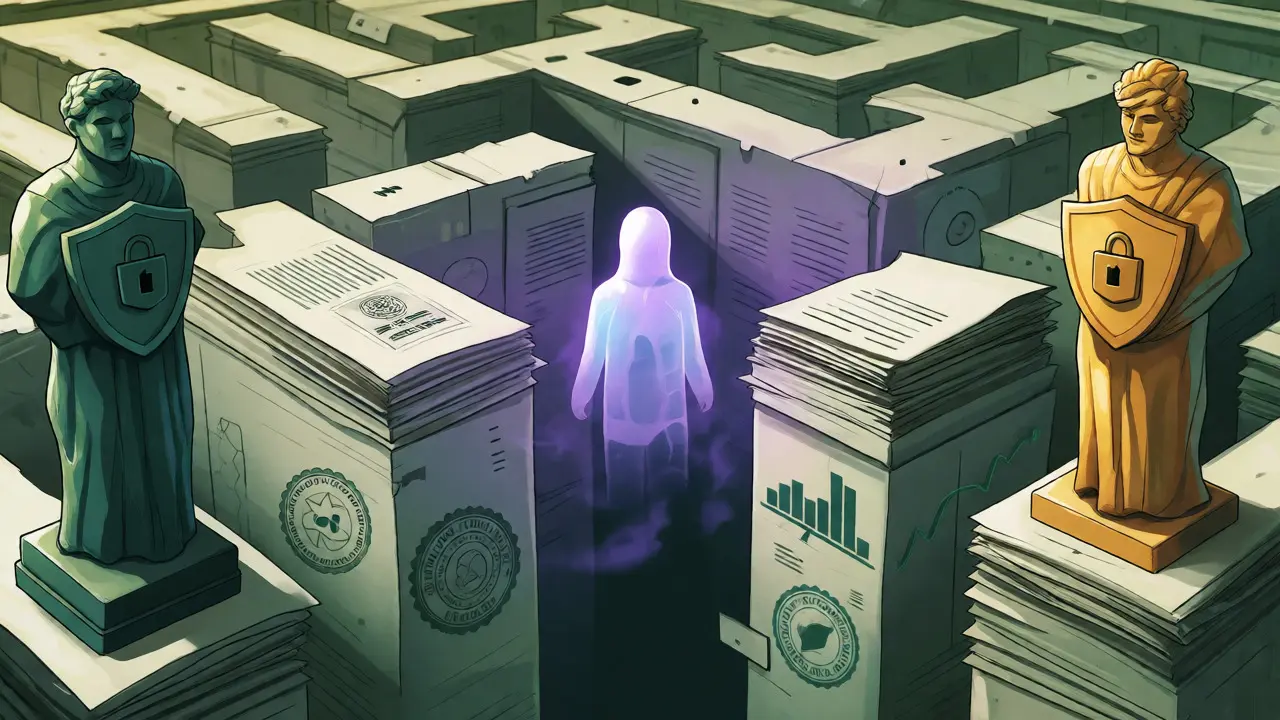
How secure is IslandSwap? Without independent audits or public security protocols, we can't say. Compare this to established standards. Uniswap operates as a non-custodial, decentralized exchange. Its code is open-source, meaning anyone can audit it. Users know exactly how liquidity pools work because the mechanics are public. On the other hand, centralized exchanges often publish CER Security Ratings or proof-of-reserves reports.
IslandSwap provides none of these. There is no whitepaper linked in mainstream databases, no GitHub repository showing active development, and no history of security incidents documented by third parties. In the crypto world, opacity equals risk. If a platform doesn't show its work, assume the math doesn't add up. You are trading your assets based on faith rather than facts, and in a market prone to rug pulls, faith is an expensive commodity.
User Experience and Community Sentiment
Where are the users? A quick check of Trustpilot, Reddit threads, and app store reviews reveals a ghost town. Established exchanges like Coinbase boast mobile app ratings above 4.5 stars, backed by thousands of reviews detailing customer support experiences. Uniswap, despite being decentralized, has a vibrant community discussing gas fees and slippage.
IslandSwap lacks this organic chatter. Are there complaints about withdrawal delays? No one knows. Are there praise-worthy features? No one is talking about them. This vacuum suggests two possibilities: either the platform is so new that it hasn't attracted users yet, or it is so small that it doesn't register on the radar of real traders. In either case, you become a beta tester with your own money. And unlike software beta testing, losing your crypto isn't something you can undo with a patch update.
Fee Structures and Hidden Costs
Transparency in pricing is another area where IslandSwap fails to deliver. Let's look at the competition. Coinbase Advanced Trade charges maker/taker fees ranging from 0% to 0.6%. Their subscription model, Coinbase One, costs $29.99 a month for added perks. These numbers are clear. You know what you pay before you trade.
| Feature | IslandSwap | Coinbase | Uniswap |
|---|---|---|---|
| Trading Fees | Unknown / Not Disclosed | 0% - 0.6% | Variable Gas + LP Fees |
| Regulatory Status | Unknown | Highly Regulated (US/EU) | Non-Custodial (No KYC) |
| Media Coverage | None in Major Outlets | Extensive | Extensive |
| Support | Unknown | Priority Support Available | Community Driven |
With IslandSwap, you don't know if the spread is hidden in the price quote or if there are withdrawal fees lurking in the fine print. If a platform hides its fee structure, it’s often because the fees are higher than advertised elsewhere. Always calculate the total cost of a round-trip trade (buy and sell) including network fees. If IslandSwap doesn't list these clearly on their homepage, walk away.
Is IslandSwap a Scam?
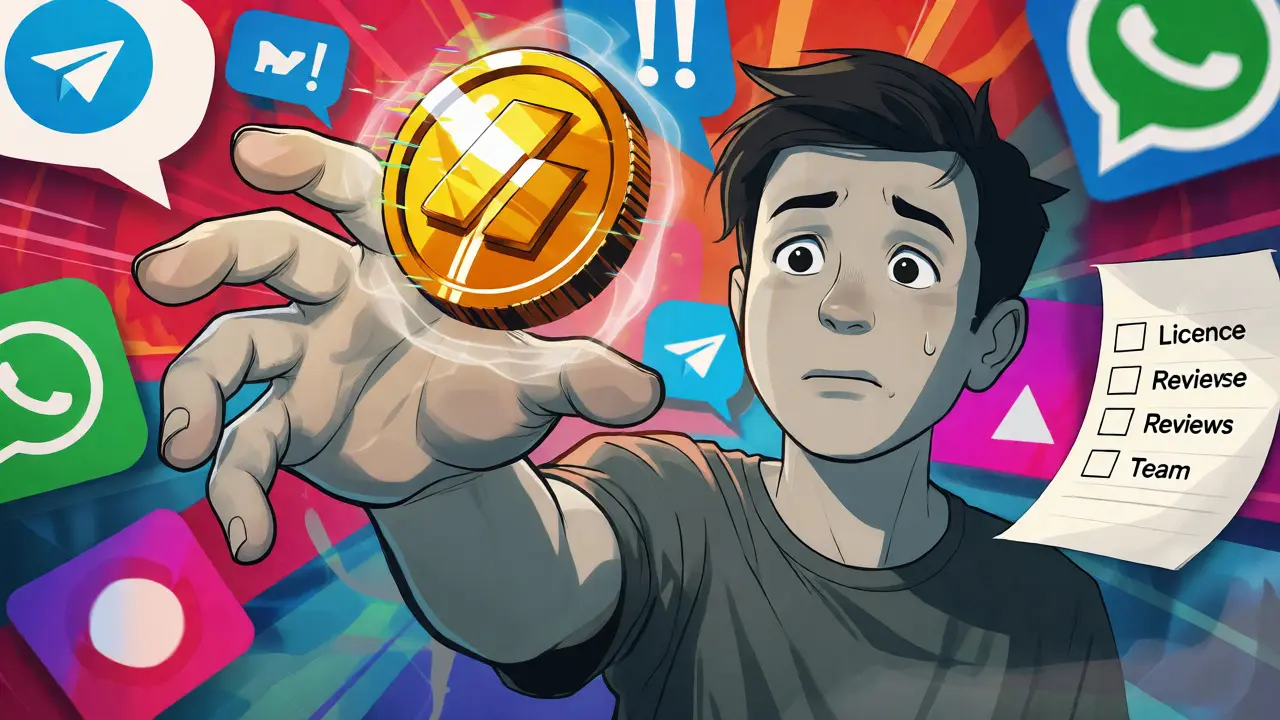
Not necessarily a confirmed scam, but certainly risky. The Cryptolegal UK report lists many "reported scam companies" in 2025, including fake exchanges and pig butchering operations. While IslandSwap isn't explicitly named in that specific registry, the pattern fits. Scams often use names that sound familiar or tropical to evoke trust and leisure (think "Island"). They operate in the shadows of legitimate finance, avoiding the scrutiny that comes with being reviewed by Money.com or Business Insider.
Be wary of platforms that promise guaranteed returns or pressure you to deposit quickly. If you received a link to IslandSwap via a DM on WhatsApp or Telegram, treat it with extreme suspicion. Legitimate exchanges grow through word-of-mouth, SEO, and advertising, not cold messaging.
What Should You Do Instead?
If you are looking for a reliable place to trade, stick to platforms with proven track records. For beginners, Kraken was rated "Best Overall" by Money.com in late 2025 due to its balance of security and usability. For those who prefer decentralization, Uniswap remains the gold standard for swapping tokens without handing over custody of your keys.
Before choosing any new exchange, run this checklist:
- Check Regulatory Licenses: Does the site display a valid license number from a recognized authority?
- Search News Archives: Has any major tech or finance news outlet covered this company?
- Look for User Reviews: Are there real people complaining or praising the service on independent sites?
- Verify Team Identity: Can you find the founders on LinkedIn or Twitter with a history in crypto?
- Test Withdrawals: Deposit a small amount and try to withdraw it immediately. If it gets stuck, get out.
IslandSwap fails almost all of these checks. Until it gains traction, regulatory clarity, and public verification, it remains a speculative gamble rather than a solid investment tool.
Is IslandSwap regulated by the SEC?
There is no public record indicating that IslandSwap is regulated by the US Securities and Exchange Commission (SEC). Most legitimate exchanges operating in the US disclose their regulatory status prominently. The absence of this information suggests it may be operating offshore or without proper licensing, which increases risk for US-based users.
Does IslandSwap require KYC verification?
Information regarding IslandSwap's Know Your Customer (KYC) policies is scarce. Unlike Uniswap, which requires no KYC, or Coinbase, which mandates strict identity verification, IslandSwap's requirements are unclear. Lack of transparency here often indicates a platform trying to bypass regulatory hurdles, which can lead to sudden account freezes.
Are there any reported scams involving IslandSwap?
While not explicitly listed in the 2025 Cryptolegal UK scam registry, the lack of presence in trusted review sources is a common characteristic of newer or fraudulent platforms. Always exercise caution with exchanges that have no footprint in major financial journalism or user review aggregators like Trustpilot.
What are the trading fees on IslandSwap?
Specific fee structures for IslandSwap are not publicly documented in authoritative sources. In contrast, competitors like Coinbase offer transparent tiers (0-0.6%) and Uniswap has variable gas fees. Without clear fee disclosure, users risk paying hidden spreads or unexpected withdrawal costs.
Is IslandSwap better than Kraken or Coinbase?
Based on available data, no. Kraken and Coinbase offer verified security, regulatory compliance, and extensive liquidity. IslandSwap lacks these foundational elements. For most users, the safety and reliability of established exchanges outweigh the potential novelty of a lesser-known platform.


Write a comment