You want to swap tokens without handing your private keys over to a centralized company. That’s the promise of decentralized exchanges (DEXs). But with dozens of platforms popping up and disappearing overnight, how do you know which one won’t rug-pull or drain your wallet? Enter PartySwap, a non-custodial exchange that has been around since 2021. It claims to make cross-chain trading easy for beginners. But does it actually deliver, or is it just another forgotten project in the crowded DeFi space?
In this review, we’re cutting through the noise. We’ll look at what PartySwap actually offers, where it works, how secure it really is, and whether you should trust your funds to it in 2026.
What is PartySwap?
PartySwap is a decentralized cryptocurrency exchange (DEX) founded in 2021 that operates as an automated market maker (AMM). It allows users to trade tokens directly from their wallets across multiple blockchains like Ethereum, Avalanche, and Polygon without intermediaries.
The Basics: How PartySwap Works
At its core, PartySwap is an Automated Market Maker (AMM). Unlike traditional stock exchanges that match buyers and sellers using order books, AMMs use liquidity pools. When you swap Token A for Token B on PartySwap, you aren't trading with another person. You are trading against a pool of funds provided by other users (liquidity providers).
This model makes trading instant and accessible. You don’t need to wait for a counterparty. However, it also means you pay fees to these liquidity providers and face potential slippage if the pool is small. PartySwap positions itself as a user-friendly alternative to more complex interfaces, targeting novice users who want simplicity.
Here is what you need to know about its technical setup:
- Type: Non-custodial Decentralized Exchange (DEX)
- Founded: 2021
- Model: Automated Market Maker (AMM)
- Key Feature: Cross-chain compatibility
- User Control: You keep your private keys; PartySwap never holds your funds.
Supported Blockchains and Assets
One of PartySwap’s main selling points is its multi-chain approach. In a world where Ethereum gas fees can be prohibitive, being able to switch networks easily is valuable. According to available data from 2025 comparisons, PartySwap integrates with several major networks:
- Ethereum: The original smart contract platform, though often expensive for small trades.
- Avalanche: Known for high speed and low costs.
- Polygon (Matic): A popular Layer 2 solution for Ethereum that reduces fees significantly.
This multi-chain support is crucial. If you hold assets on Avalanche but want to trade them for an Ethereum-based token, PartySwap aims to handle that bridge or swap seamlessly. However, compared to giants like Uniswap or PancakeSwap, the range of supported chains might be narrower. Always check if your specific token is listed before attempting a trade.
User Experience and Accessibility
Let’s be honest: most DeFi interfaces are clunky. They require you to connect a wallet, approve transactions, manage gas limits, and understand slippage tolerance. PartySwap tries to simplify this.
The platform is accessible via web browser and has mobile applications for both iOS and Android. It also supports desktop systems including Windows, Mac, Linux, and Chromebooks. This wide deployment option is rare for smaller DEXs, which often rely solely on web interfaces.
To get started, you typically need a Web3 wallet like MetaMask. Once connected, the interface should allow you to select your input token, choose your output token, and execute the swap. The learning curve is described as moderate for those already familiar with basic crypto concepts. For absolute beginners, there is still a hurdle: understanding gas fees and network confirmations is mandatory, regardless of how simple the UI looks.
Security: What Are the Risks?
Security is the biggest concern with any DEX. Since PartySwap is non-custodial, they cannot hack your account in the traditional sense because they don’t hold your money. Your risk lies elsewhere.
- Smart Contract Risk: All DEXs run on code. If there is a bug in PartySwap’s smart contracts, hackers could exploit it. In 2024, Immunefi reported that 12% of DeFi protocols suffered security incidents. There is no public record of a major hack specifically targeting PartySwap, but the absence of evidence isn’t evidence of absence. Always verify if the contracts have been audited by reputable firms.
- Phishing Attacks: Scammers often create fake websites that look exactly like legitimate DEXs. Make sure you are on the official domain (partyswap.io) and bookmark it. Never click links from unsolicited messages.
- Impermanent Loss: If you provide liquidity rather than just swapping, you face impermanent loss. This happens when the price of your deposited tokens changes compared to when you deposited them. It’s a standard risk in AMMs, not unique to PartySwap.
Unlike centralized exchanges, PartySwap does not require KYC (Know Your Customer) verification. This protects your privacy but also means there is no customer support to recover lost funds if you make a mistake, such as sending tokens to the wrong address.
How PartySwap Compares to Competitors
Is PartySwap better than Uniswap, PancakeSwap, or Minswap? Let’s break it down.
| Feature | PartySwap | Uniswap | PancakeSwap |
|---|---|---|---|
| Primary Chain | Multi-chain (ETH, AVAX, POLY) | Ethereum (and L2s) | Binance Smart Chain (BSC) |
| Liquidity Depth | Moderate/Lower | Very High | High |
| User Base | Niche/Small | Massive | Large |
| KYC Required | No | No | No |
| Mobile App | Yes (iOS/Android) | Web-only (mostly) | Yes |
| Best For | Cross-chain swaps for novices | Deep liquidity & ETH ecosystem | Low fees & BSC tokens |
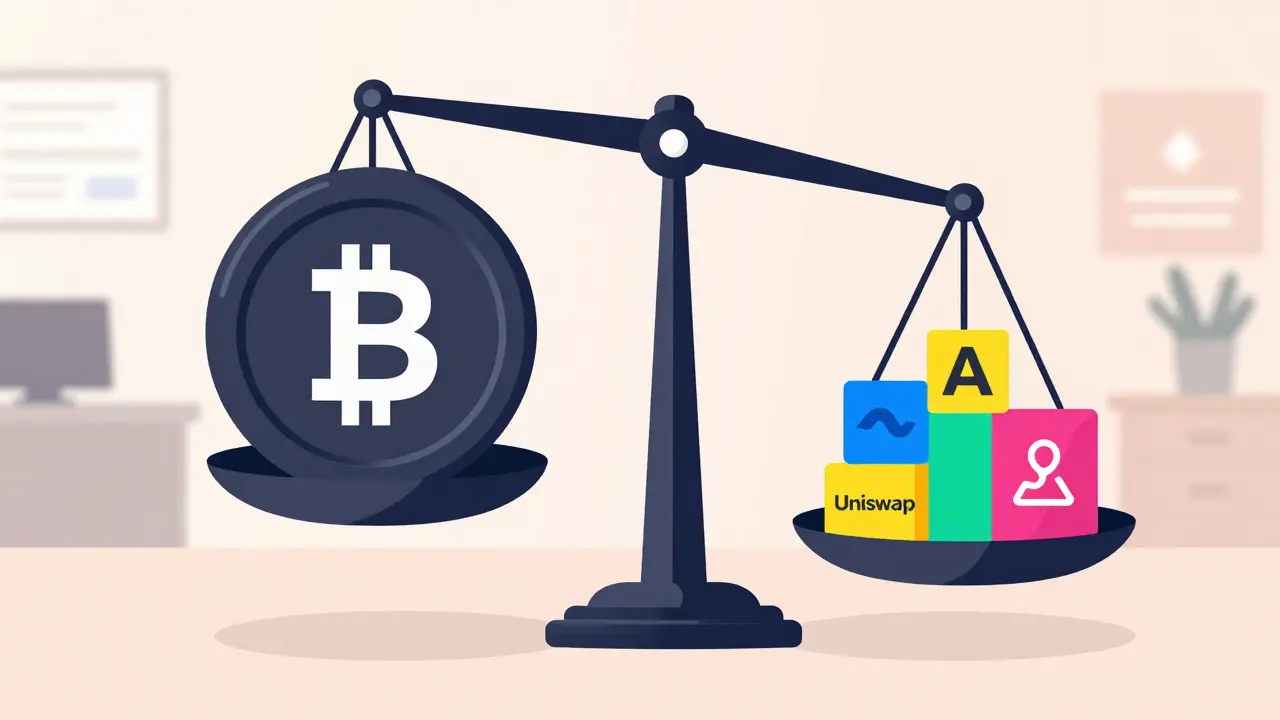
PartySwap occupies a mid-tier position. It doesn’t have the massive liquidity of Uniswap, which means you might experience higher slippage on large trades. It doesn’t have the brand recognition of PancakeSwap. However, its multi-chain integration and dedicated mobile apps offer convenience that some competitors lack. If you frequently move between Avalanche and Polygon, PartySwap might save you time bridging assets manually.
Fees and Costs
Trading on PartySwap involves two types of costs:
- Platform Fees: Like most AMMs, PartySwap charges a small percentage fee on each swap (typically 0.3%, though this can vary by pool). This fee goes to liquidity providers.
- Gas Fees: This is the cost paid to the blockchain network to process your transaction. On Ethereum, this can be high ($5-$50+ depending on congestion). On Polygon or Avalanche, it’s usually pennies. Always check the current gas price before swapping on Ethereum.
There are no hidden withdrawal fees since you are moving tokens directly from your wallet. However, always double-check the total cost breakdown before confirming the transaction in your wallet.
Verdict: Should You Use PartySwap?
PartySwap is a functional, non-custodial DEX that has survived since 2021, which is more than many DeFi projects can say. It offers a simplified experience for users who want to swap tokens across Ethereum, Avalanche, and Polygon without dealing with complex bridges.
Use PartySwap if:
- You prefer a non-custodial platform and want to keep control of your keys.
- You trade moderately sized amounts and value ease of use over maximum liquidity.
- You frequently use Avalanche or Polygon and want a unified interface.
- You are comfortable with basic Web3 wallet management.
Avoid PartySwap if:
- You are executing large institutional-sized trades (liquidity may be too thin).
- You need 24/7 human customer support for account recovery (it’s non-custodial; no help is available).
- You are looking for advanced trading features like limit orders or margin trading (standard AMMs don’t offer these).
In the competitive landscape of 2026, PartySwap remains a niche player. It’s safe enough for casual use, provided you follow standard security hygiene. But for deep liquidity and the widest asset selection, sticking to top-tier giants like Uniswap might still be wiser.
Frequently Asked Questions
Is PartySwap a centralized or decentralized exchange?
PartySwap is a decentralized exchange (DEX). It is non-custodial, meaning you retain control of your private keys and funds at all times. Trades are executed via smart contracts on the blockchain, not by a central company.
Do I need to complete KYC to use PartySwap?
No. As a decentralized protocol, PartySwap does not require Know Your Customer (KYC) verification. You only need a compatible Web3 wallet like MetaMask to connect and trade.
Which blockchains does PartySwap support?
PartySwap primarily supports Ethereum, Avalanche, and Polygon (Matic). Its multi-chain architecture allows users to swap tokens across these networks with relative ease.
Is PartySwap safe to use?
Like any DEX, PartySwap carries inherent risks such as smart contract vulnerabilities and phishing scams. While there are no major reported hacks, users should always verify the official URL, use hardware wallets for large amounts, and be aware of impermanent loss if providing liquidity.
Why is my swap failing on PartySwap?
Common reasons include insufficient gas fees in your wallet, slippage tolerance settings being too low for volatile tokens, or the token pair having low liquidity. Ensure you have enough native currency (ETH, AVAX, or MATIC) to cover transaction costs.
Can I use PartySwap on my phone?
Yes. PartySwap offers mobile applications for both iOS and Android devices, making it easier to manage swaps on the go compared to DEXs that are web-browser only.
How does PartySwap compare to Uniswap?
Uniswap has significantly higher liquidity and supports a wider range of assets, primarily on Ethereum. PartySwap focuses on a simpler user experience and multi-chain support including Avalanche and Polygon, but may suffer from lower liquidity and higher slippage on large trades.

Write a comment