Remember the hype? Back in 2021, SafeMoon was everywhere. It promised to make you rich just by holding the coin. The core of this promise was SafeMoon Swap, a decentralized exchange (DEX) designed to reward holders with automatic yield from transaction fees. Fast forward to October 2026, and the picture looks very different. If you are digging through your old wallets or seeing ads for "the next big thing," you need to know where this project actually stands today.
Here is the blunt truth: SafeMoon Swap is largely defunct. Development has stalled, many promised features never arrived, and the community that once roared like an army has gone quiet. But before you dismiss it entirely, let’s break down what happened, how the tech worked, and whether there is any residual value left in the ecosystem.
The Core Promise: Reflection Rewards and High Fees
SafeMoon wasn’t just another meme coin; it marketed itself as a revolutionary financial tool. The central entity here is the SFMS token, which operated on a unique tokenomics model. Unlike standard cryptocurrencies where trading fees go to liquidity providers or developers, SafeMoon claimed to redistribute half of every transaction fee directly to existing holders. This mechanism, known as "reflection rewards," meant your balance grew automatically without you doing anything.
To fund this, the platform charged high transaction fees. In the original version (V1), fees hit a staggering 10%. When the team launched SafeMoon V2 in December 2021, they reduced this to 2%. While 2% sounds better than 10%, compare it to industry giants. Uniswap charges roughly 0.3%. PancakeSwap is similar. A 2% fee means you lose money on every trade unless the price moves significantly in your favor. For active traders, this was a death sentence. For long-term holders, it was the cost of entry for those advertised 80% APY returns.
SafeMoon Swap vs. Industry Giants
How did SafeMoon Swap stack up against established decentralized exchanges? Let’s look at the data. The table below compares key metrics based on available reports from 2023-2025.
| Feature | SafeMoon Swap (V2) | Uniswap | PancakeSwap |
|---|---|---|---|
| Transaction Fee | 2.0% | ~0.3% | ~0.25% |
| Holder Rewards | Yes (50% of fees) | No (LP rewards only) | No (CAKE emissions) |
| Active Development | Stalled/Minimal | High | High |
| Daily Volume (Est.) | <$500k | $Billions | $Hundreds of Millions |
| Primary Chain | Binance Smart Chain | Ethereum/L2s | BSC/Ethereum |
The gap is massive. While Uniswap and PancakeSwap processed billions in daily volume, SafeMoon’s trading activity dwindled to negligible amounts. By 2023, daily volumes on major exchanges like BitMart or MEXC were often under $500,000 combined. That is a rounding error compared to the broader DeFi market. The lack of volume creates a vicious cycle: low liquidity leads to high slippage, which drives away traders, further reducing volume.

The Migration Chaos: From V1 to V2
If you held SafeMoon tokens in 2021, you remember the panic of the migration. The shift from V1 to V2 wasn’t just a software update; it was a hard fork that required user action. Tokens held in personal wallets had to be manually migrated. If you missed the window or messed up the process, your assets could get stuck or lost.
The V2 transition aimed to fix some of the glaring issues of V1. It introduced a new contract address, reduced fees, and promised a native blockchain. However, the execution was messy. Many users reported technical difficulties accessing their funds during the swap. Support channels, once vibrant with the "SafeMoon Army," became flooded with unanswered tickets. This friction discouraged new users and frustrated existing ones. Today, finding clear documentation on how to interact with the remaining V2 contracts is surprisingly difficult, suggesting a lack of ongoing maintenance.
Why Did It Fail? The Sustainability Question
Critics labeled SafeMoon a Ponzi scheme, and while that term is strong, the economic model relied heavily on new capital inflows. The "reflection" rewards weren’t generated from real-world utility or profits; they came from other people’s trades. When the hype died down and new buyers stopped entering the market, the rewards dried up.
By 2025, analysts from platforms like Mudrex listed SafeMoon among cryptocurrencies to avoid. Why? Three main reasons:
- Regulatory Exposure: The SEC and other bodies scrutinize projects that promise guaranteed returns. SafeMoon’s marketing bordered on securities offerings, creating legal risks.
- Unclear Utility: Despite promises of an NFT marketplace, a launchpad, and IoT integration, most of these features remained vaporware. The token didn’t solve a specific problem better than competitors.
- Asset Freezes: Concerns arose about centralized control over certain smart contract functions, leading to fears of potential freezes or rug pulls.
The ambitious roadmap announced in 2021 included a hardware wallet and its own blockchain. As of late 2025, there was little evidence of a fully functional, widely adopted SafeMoon blockchain. The project became a cautionary tale of over-promising and under-delivering.
User Experience in 2026: Ghost Town Vibes
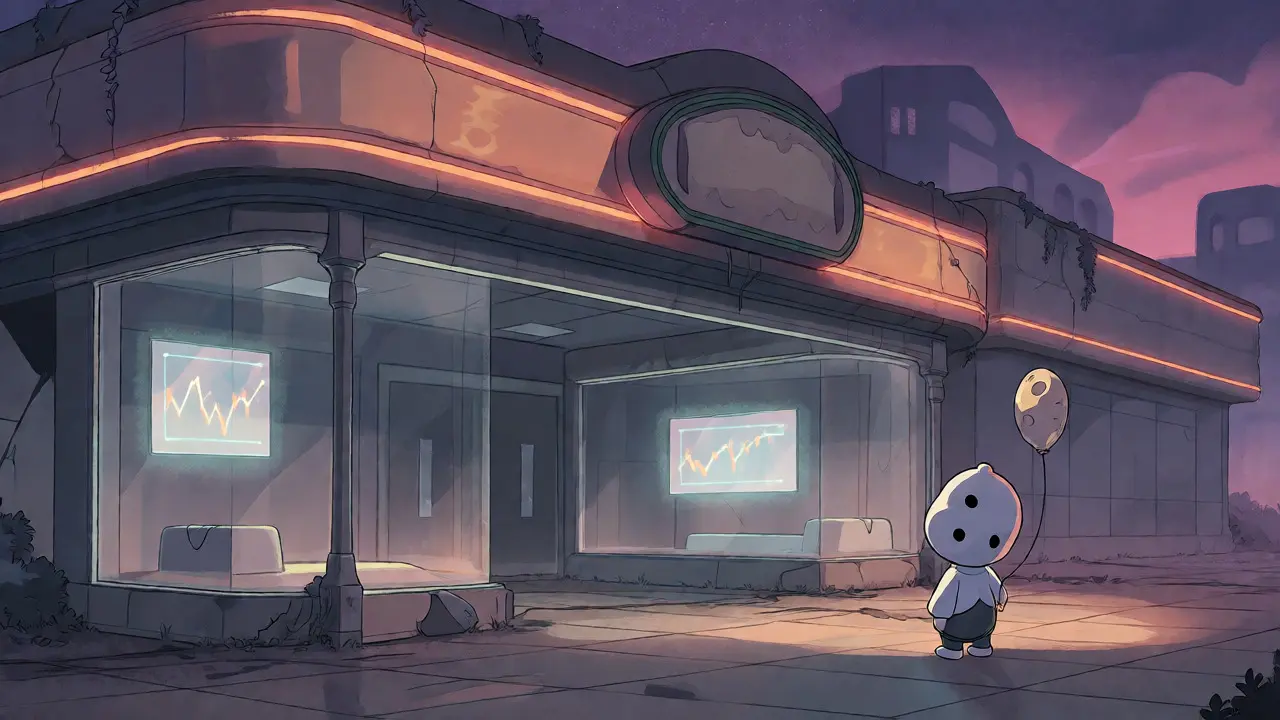
So, what is it like to use SafeMoon Swap now? Honestly, it feels like walking into an abandoned mall. The website still exists, but updates are rare. Social media engagement has plummeted. The Discord servers, once buzzing with thousands of users, see minimal activity. Most posts are bots or disgruntled investors asking when the next update will drop.
If you try to trade SFMS today, you face significant hurdles. Liquidity pools are thin. Slippage can be brutal. You might find yourself paying high gas fees on the Binance Smart Chain for a trade that barely moves the needle. Furthermore, the support infrastructure is weak. If you encounter a bug or have a question, don’t expect a quick response. The team’s online presence has shrunk dramatically, making troubleshooting a solo endeavor.
For those who bought early and held, the story is mixed. Some saw massive gains in 2021 before selling. Those who held through the crash are likely sitting on heavy losses. The psychological toll of watching a "blue chip" meme coin fade into obscurity is real. Many former supporters feel betrayed by the lack of transparency and progress.
Is There Any Future Left?
Can SafeMoon Swap revive? Technically, yes. Crypto markets are cyclical. A new bull run could bring attention back to legacy coins. However, the fundamental issues remain. Without genuine utility, development momentum, and trust, a revival would likely be short-lived pump driven by nostalgia rather than substance.
Most experts suggest looking elsewhere for DeFi opportunities. Projects like Uniswap continue to innovate with layer-2 solutions and improved UX. Newer entrants focus on real-world asset tokenization or gaming economies. SafeMoon, by contrast, seems stuck in a time capsule of 2021 marketing tactics.
If you are considering buying SFMS now, ask yourself: Do I believe in the team’s ability to deliver after years of silence? Can I tolerate the high fees and low liquidity? For most rational investors, the answer is no. It’s a speculative gamble at best, and a dead end at worst.
Is SafeMoon Swap still active in 2026?
Technically, yes, the smart contracts exist and tokens can still be traded. However, development has largely stalled, and the project is not considered active or reliable by most industry standards. Trading volumes are extremely low compared to its peak.
What is the difference between SafeMoon V1 and V2?
SafeMoon V2 consolidated tokens at a 1:1000 ratio and reduced transaction fees from 10% to 2%. V2 also introduced new smart contract mechanisms intended to improve stability and reduce sell pressure, though adoption and functionality remained limited.
Are the reflection rewards still working?
The reflection mechanism is coded into the contract, so rewards accrue when transactions occur. However, due to low trading volume, the actual rewards received by holders are minimal and often outweighed by the loss in token value.
Should I invest in SafeMoon Swap now?
Most financial analysts advise caution or avoidance. The project faces regulatory scrutiny, lacks clear utility, and has failed to deliver on major roadmap promises. It is generally viewed as a high-risk, speculative asset rather than a solid investment.
Where can I trade SafeMoon tokens?
SafeMoon V2 tokens are primarily traded on decentralized exchanges like PancakeSwap and some centralized exchanges such as BitMart and MEXC. Always check current liquidity levels before executing large trades to avoid high slippage.
Write a comment