Remember when you could swap tokens on TRON without worrying about fees or KYC? That was the promise of Sunswap v1, a decentralized exchange built for the TRON network. Launched in 2020 during the peak of DeFi enthusiasm, it positioned itself as the go-to platform for simple, fast, and anonymous TRC20 token swaps. But here is the hard truth: if you are looking at Sunswap v1 today, you need to know that the landscape has changed dramatically. What started as a legitimate niche player now carries a reliability rating of zero from major data providers like CoinGecko, with reports suggesting it may have been abandoned or replaced by fraudulent imposter sites.
This review breaks down what Sunswap v1 actually offers, how it compares to modern alternatives, and-most importantly-whether it is worth your time or risk in 2026. We will look at the technical specs, the user experience, and the red flags that have emerged over the last few years. If you hold any assets there, this information could save you from a costly mistake.
What Exactly Is Sunswap v1?
Sunswap v1 is a decentralized exchange (DEX) operating exclusively on the TRON blockchain, designed for swapping TRC20 tokens using an Automated Market Maker (AMM) model. Unlike centralized exchanges that act as intermediaries holding your funds, Sunswap v1 allowed users to trade directly with liquidity pools. The core idea was simplicity: connect your wallet, pick two tokens, and swap them instantly. There were no order books, no matching engines, and no middlemen taking a cut beyond the standard protocol fee.
The platform was created by the SUN.io development team, aiming to be TRON’s first native DEX. Its primary selling point was accessibility. You didn’t need to pass identity verification (KYC), which appealed to privacy-focused traders and those in regions with limited banking infrastructure. However, this anonymity came with a catch: total reliance on the TRON network’s security and speed, with no additional layer of protection from the platform itself.
Key Features and Technical Limitations
To understand why Sunswap v1 struggled against competitors, you have to look at its technical constraints. It was built specifically for the TRON ecosystem, meaning it only supported TRC20 tokens. If you held Ethereum-based ERC20 tokens or assets from other chains, they were useless here unless you bridged them first-a complex and often expensive process.
- Token Support: Limited to TRC20 standard only. No cross-chain functionality.
- Fees: A fixed 0.3% per swap, distributed entirely to liquidity providers. No extra platform fees.
- Speed: Transactions typically settled in 15-60 seconds, depending on TRON network congestion.
- Security: Relied solely on TRON’s consensus mechanism. No multi-signature wallets or insurance funds.
- Minimums: No minimum deposit thresholds, making it accessible for small trades.
While the low fees were attractive, the lack of cross-chain support was a massive bottleneck. As the crypto market evolved, users wanted to move assets freely between networks. Sunswap v1 locked you into one lane. Furthermore, liquidity for less popular TRC20 tokens was thin, leading to slippage rates that could hit 15% for smaller pairs. This meant that while the price looked good on screen, the actual execution price might be significantly worse.
The Decline: From Niche Player to Abandoned Platform
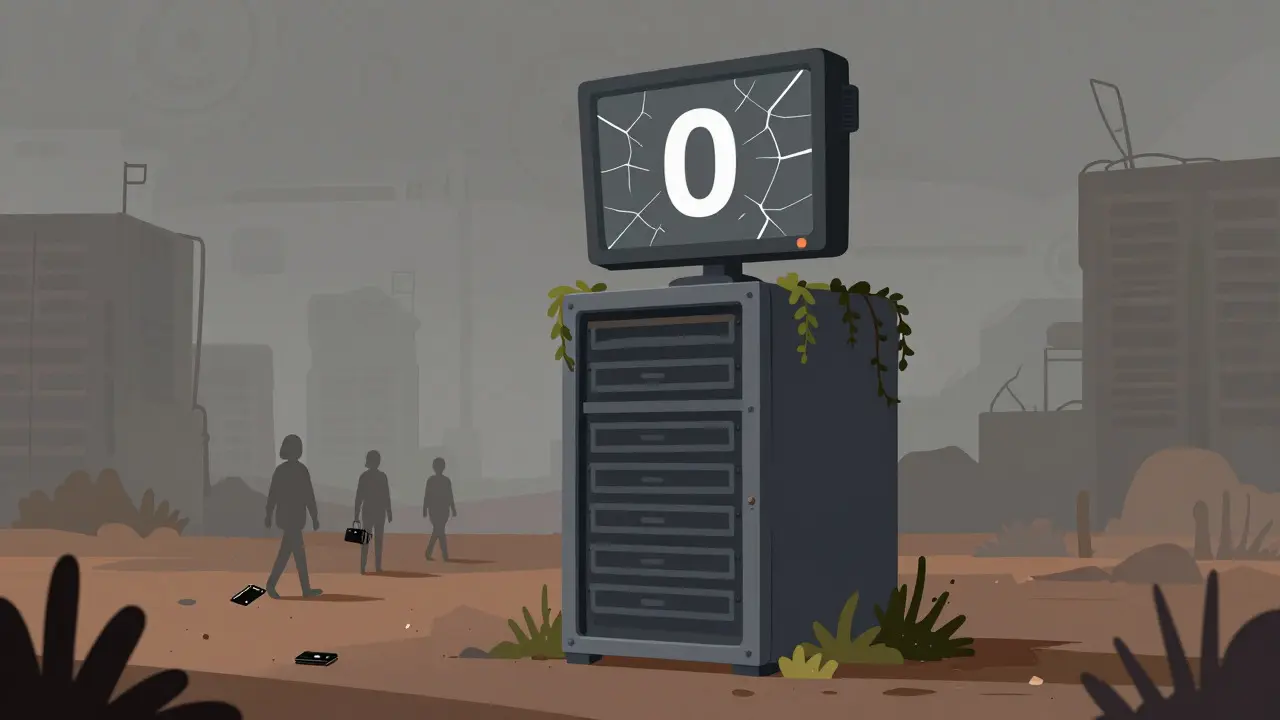
Sunswap v1 peaked around Q1 2022, when TRON’s DeFi activity was high and the platform saw roughly 85,000 monthly active users. But then things started to unravel. By mid-2024, CoinGecko noted that only five cryptocurrencies were still tradable on the platform, with zero transactions recorded in the preceding 30 days. That is not just a slow period; that is a ghost town.
The code behind Sunswap v1 hasn’t been updated since July 2022. The official documentation on GitHub is outdated, and the community support channels, like their Telegram group, went silent long ago. This abandonment raises serious questions about long-term viability. In crypto, an unupdated smart contract is a ticking bomb. Without regular audits or maintenance, bugs can remain hidden until someone exploits them.
But the story doesn’t end with abandonment. It gets darker. Regulatory bodies and consumer protection agencies have started flagging issues. The Washington State Department of Financial Institutions issued a consumer alert in late 2024, documenting cases where investors lost significant sums after being unable to withdraw funds. These reports suggest that some users encountered platforms using the Sunswap name but operating differently than the original v1 protocol-potentially fraudulent imposter sites.
User Experiences and Red Flags
User reviews for Sunswap v1 are polarized, largely due to the timeline. Early reviews from 2020-2021 were positive, praising the ease of use and low costs. Users described it as an “eco-friendly application” for quick swaps. But recent reviews tell a different story. On Trustpilot, the platform accumulated hundreds of negative ratings, averaging just 1.2 out of 5 stars by late 2024. The most common complaint? Withdrawal issues.
Many reported losing money not because of bad trades, but because they couldn’t get their funds out. One documented case involved an investor who was blocked from withdrawing $85,000 until they paid a $22,000 “advanced verification” fee. Another lost $9,000 after being credited with fake profits on a 90-second timer game-like interface. These patterns align with what experts call “pig butchering scams,” where victims are lured in with easy wins before being trapped.
If you see a website claiming to be Sunswap but asking for large upfront fees to unlock withdrawals, proceed with extreme caution. The legitimate v1 protocol never required such fees. Always verify the contract address and check recent transaction history on a block explorer before sending anything.
Sunswap v1 vs. Modern Alternatives
In 2026, the DEX landscape is vastly different. Platforms like Uniswap on Ethereum and PancakeSwap on BNB Chain have matured, offering deep liquidity, cross-chain bridges, and robust security frameworks. Here is how Sunswap v1 stacks up against these established players:
| Feature | Sunswap v1 | Uniswap (Ethereum) | PancakeSwap (BNB Chain) |
|---|---|---|---|
| Supported Chains | TRON Only | Ethereum, Arbitrum, Optimism | BNB Chain, Ethereum, Polygon |
| Token Variety | ~5 Active Pairs (2024) | 3,400+ Tokens | 1,200+ Tokens |
| Swap Fee | 0.3% | 0.30% - 1.00% | 0.25% - 1.00% |
| KYC Required | No | No | No |
| Reliability Rating (CoinGecko) | 0 / 10 | High | High |
| Last Code Update | July 2022 | Continuous | Continuous |
The table makes it clear: Sunswap v1 is no longer competitive. Unless you specifically need to trade obscure TRC20 tokens that aren’t available elsewhere, the risks outweigh the benefits. The lack of liquidity means higher slippage, and the lack of updates means higher security risk. For most users, switching to a multi-chain DEX provides better prices, more options, and greater peace of mind.
Is Sunswap v1 Safe to Use in 2026?
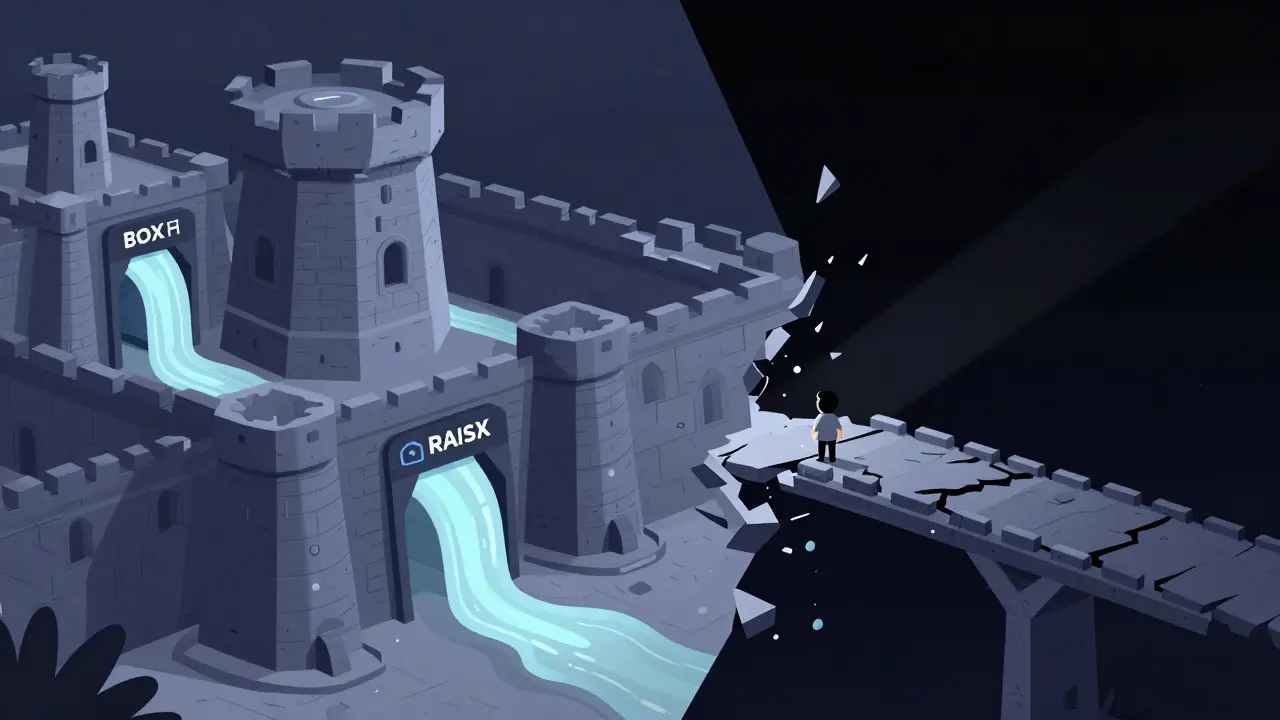
Short answer: Probably not. While the original smart contracts may still function technically, the surrounding ecosystem has collapsed. With zero trading volume and no developer support, you are essentially on your own. If a bug appears or a rug pull happens in a specific pool, there is no team to contact or recourse to seek.
Furthermore, the confusion between the legitimate v1 protocol and potential scam sites using the same brand name adds another layer of danger. Before interacting with any site labeled “Sunswap,” do your homework:
- Check the contract address on a trusted block explorer like Tronscan.
- Look for recent transaction history. If there are none, stay away.
- Verify the domain. Scammers often use lookalike domains.
- Consult recent community discussions on Reddit or Twitter for warnings.
If you already have funds stuck in Sunswap v1, consider the cost of moving them versus the value of the assets. Sometimes, paying the network gas fees to exit a stagnant platform is cheaper than waiting for a potential exploit. Just make sure you are sending them to a secure wallet, not another unknown exchange.
Frequently Asked Questions
Is Sunswap v1 still operational in 2026?
Technically, yes, but it is effectively abandoned. CoinGecko reports zero transactions in the last 30 days as of 2024, and there have been no code updates since 2022. While the smart contracts may still work, the lack of liquidity and support makes it risky for daily trading.
What are the fees for trading on Sunswap v1?
The standard swap fee is 0.3%, which goes to liquidity providers. There are no additional platform fees, but you must pay TRON network gas fees for each transaction. During high congestion, these gas fees can spike from $0.01 to $0.50 or more.
Does Sunswap v1 require KYC?
No, Sunswap v1 does not require any identity verification. You only need a compatible TRON wallet like TronLink. This feature was initially appealing for privacy but has also made it harder to trace fraud or recover funds in case of disputes.
Can I trade Ethereum tokens on Sunswap v1?
Not directly. Sunswap v1 only supports TRC20 tokens on the TRON network. To trade an Ethereum token, you would first need to bridge it to TRON, which involves additional steps, fees, and risks associated with cross-chain bridges.
Why is Sunswap v1 rated 0 on CoinGecko?
CoinGecko assigns a reliability rating based on factors like trading volume, number of listed assets, and regulatory standing. Sunswap v1 received a 0 due to negligible trading volume, very few active pairs, and a lack of regulatory oversight or corporate transparency. This indicates high risk for users.
Jade Brown
Let's be real, the AMM liquidity depth on this thing is basically a rounding error in the grand scheme of things. You're looking at slippage metrics that would make your eyes water if you tried to move anything significant, and the token pair diversity is so sparse it borders on artistic minimalism rather than functional utility. The fact that CoinGecko gave it a zero isn't just an oversight; it's a statistical inevitability given the near-total absence of active order flow. Most people don't realize that 'decentralized' doesn't mean 'safe,' it just means there's no one to sue when the rug gets pulled out from under your feet. The smart contract code hasn't been touched since the last ice age, which is a massive red flag for any security-conscious trader. You are essentially gambling on the integrity of an unmaintained codebase while hoping the TRON network stays up long enough for your transaction to settle. It's a classic case of survivorship bias where the early adopters got lucky, but the current user base is just walking into a trap. The imposter sites are the cherry on top, exploiting the brand name confusion to siphon off whatever liquidity remains. If you think you can find alpha here, you're mistaken; you're just providing exit liquidity for whoever left their bags in 2021. The opportunity cost of holding assets here versus moving them to a major DEX is astronomical. Don't let nostalgia or the promise of anonymity blind you to the financial reality.
Ashley Snyder
I actually used this back in 2020 when I was first getting into TRON tokens and it was pretty chill then. No KYC was a huge plus for me because I didn't want to upload my passport just to swap some USDT. But yeah, it feels like a ghost town now. I checked my old wallet recently and had a tiny bit of SUN left, honestly not worth the gas fees to move it all the way to Ethereum or BNB chain. Just glad I didn't have thousands sitting there waiting for a withdrawal that might never come. Peace out everyone, just sharing my experience so others know it changed fast.
Kiran Jayaram
you guys are overthinking this whole security thing its just a dux what do you expect the devs are gone so who cares if the code is old? i made 40k on this platform in 2021 and cashed out before the mess started so why should we worry about the people who stayed too long? they are dumb for trusting a website with no updates. its not our fault the scammers copied the name. stop crying about lost funds and take responsibility for your own research failures. the market moves on and you are stuck in the past being emotional about money you should have moved years ago. typical retail behavior right here
Uday N M
The infrastructure gap between Western DeFi and what we built in India during that era was stark. We lacked the same level of institutional backing, yet many of us participated heavily due to lower entry barriers. It serves as a lesson in how quickly global standards shift when local platforms fail to maintain compliance and technical rigor.
Melissa G
One must consider the philosophical implications of abandoning a digital asset platform without notice. In a sense, Sunswap v1 represents the transient nature of trust in decentralized systems. Without a central authority to enforce accountability, the social contract dissolves the moment the developers lose interest. This raises profound questions about the longevity of value stored in such environments. Is value intrinsic, or is it merely a consensus that evaporates when the community disperses? The silence of the Telegram channels is deafening, a metaphor for the void left by absent stewardship. We are left to ponder whether true decentralization requires perpetual maintenance or if it is inherently fragile. The imposter sites further complicate this narrative, introducing layers of deception into an already unstable foundation. Ultimately, the lesson is clear: in the realm of crypto, vigilance is not optional, it is survival. To ignore the signs of abandonment is to invite loss. Let this serve as a cautionary tale for future iterations of open finance.
Patrick Pat
Sarcastic aside, did anyone actually check the block explorer before posting? Because I looked at Tronscan and saw literally three transactions in the last month. Three. For a platform that claimed to be a major DEX. The irony is thick enough to cut with a knife. They talk about 'reliability rating zero' like it's a new discovery, but half of you were probably still using it in 2023 thinking it was magic. The real joke is the 'advanced verification fee' scam mentioned in the article. Who falls for that in 2026? Someone who thinks paying $22k to unlock $85k is a good deal. The math doesn't work unless you are extremely desperate or extremely gullible. Anyway, nice wake-up call for the latecomers. Maybe next time read the docs before connecting your wallet.
Claudio Perrone
this is the greatest tragedy in crypto history really the end of an era man. i remember when sunswap was the only place i could trade those obscure tron tokens. now its just a graveyard of dead projects. feels like the world has forgotten about us small traders. the big whales dont care about us anymore they just use uniswap and pancakeswap. its sad how fast things change. i hope someone brings it back but i doubt it. maybe the devs are hiding somewhere laughing at us. anyway keep going strong everyone we will survive this. (typo alert: i meant to say 'era' not 'aera' earlier)
Aaron Morrissey
It is, undeniably, a melancholic chapter in the annals of decentralized finance. One observes the rise and fall of such platforms with a certain detached awe, noting how the initial fervor of innovation often gives way to the quiet decay of neglect. The technical specifications, once touted as revolutionary, now appear quaintly obsolete. The lack of cross-chain functionality, a minor inconvenience in 2020, became a fatal flaw in the multi-chain era that followed. Furthermore, the security posture, reliant solely on the underlying blockchain, proved insufficient against the growing sophistication of phishing schemes. The user experience, initially praised for its simplicity, has devolved into a minefield of potential pitfalls. It is a testament to the volatile nature of the industry that a project can go from peak popularity to total obscurity in mere years. Yet, within this decline lies valuable data for future developers. The lessons learned from Sunswap v1's demise are crucial for preventing similar fates in other emerging ecosystems. We must approach each new protocol with both optimism and rigorous skepticism.
Patrick Quairoli
they didnt abandon it they were forced out by the big tech companies who wanted to control the tron ecosystem. its a conspiracy obviously. look at the timing of the regulatory alerts. they came right after the volume dropped. coincidence? no way. the washington state dept is just covering up for the banks who hate crypto. i bet the original code is still working fine but they blocked access to prevent us from seeing the real profits. check the hidden contracts on tronscan if you dare. most people are too scared to look. the truth is out there but its buried under layers of fake news and biased reviews. stay woke people
Sarah Campbell
Ugh finally someone wrote this! 🙄 I almost fell for the imposter site last week. Thought it was legit because the logo looked similar. Almost sent my whole portfolio there. 😱 So glad I double checked the domain. These scams are getting so sophisticated it’s scary. 🤦♀️ Hope everyone reads this before they get burned. Stay safe out there folks! 🔥
Phelan Deihl
Quietly observing this thread makes me feel a bit better about my decision to move everything to a hardware wallet last year. No regrets there. Just glad I didn't leave any dust behind on these older chains. Thanks for the detailed breakdown, it helps to see the numbers laid out so clearly.
Lance Konig
Let's dispel the myth that 'decentralized' equals 'secure.' It does not. It equals 'unregulated.' When the code stops updating, the risk profile shifts from speculative to catastrophic. You are not trading; you are holding a hostage note in a dark alley. The slippage rates cited in the article are not just inconvenient; they are indicative of a liquidity vacuum that suggests the market has voted with its feet. Why would you choose a platform with five pairs over one with three thousand? The answer is usually ignorance or stubbornness. Both are costly traits in crypto. Move your assets to a venue with deep liquidity and active governance, or accept that you are gambling on a coin flip. There is no middle ground here. The data is unequivocal. Do not let sentimentality dictate your financial strategy.
Dina Lazarova
One assumes the average reader possesses the intellectual capacity to discern the obvious obsolescence of this platform. However, the continued discussion suggests otherwise. It is somewhat tedious to watch individuals debate the merits of a defunct service as though it retains any contemporary relevance. The comparison table provided in the post is, frankly, redundant for anyone with basic market literacy. Uniswap and PancakeSwap are not merely alternatives; they are the standard bearers. To suggest that Sunswap v1 holds any competitive edge is akin to comparing a horse-drawn carriage to a Formula 1 car. The disparity is not subtle; it is monumental. Perhaps the focus should shift toward more pertinent topics in modern DeFi, rather than lingering on the grave of a failed experiment. Nevertheless, the analysis is adequately structured, if somewhat verbose. A satisfactory read, albeit unnecessary for the informed investor.