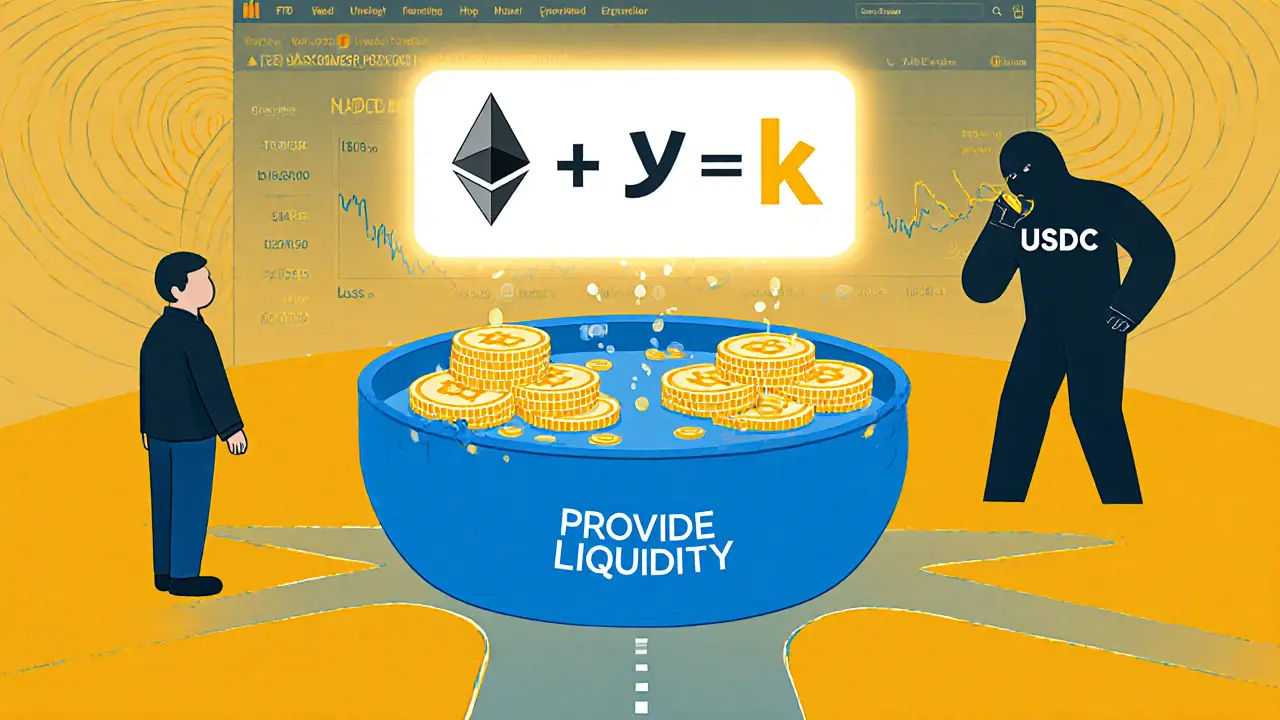
Uniswap v2 on Optimism: What You Need to Know Before Using It in 2025
Uniswap v2 on Optimism offers low fees and fast swaps for beginners, but it's being replaced by v3. Learn who should use it, what the risks are, and how to get started in 2025.
Blockchain medical records offer secure, patient-controlled health data sharing with improved interoperability and reduced waste. But adoption faces hurdles in regulation, tech complexity, and provider coordination.
Security tokens offer 24/7 trading, instant settlement, and fractional ownership-unlocking liquidity that traditional securities can't match. Here's how blockchain is transforming asset trading.
BabySwap's BABY token airdrop ended in 2022. As of 2025, there are no new airdrops. Learn how to get BABY tokens safely, avoid scams, and understand the difference between BabySwap and Babylon's BABY tokens.
Discover the top yield farming platforms in 2025-Curve Finance, Yearn Finance, GMX, and Beefy Finance-each offering different risk-reward profiles for stablecoin and crypto investors seeking passive income in DeFi.
South Korea requires real-name bank accounts for crypto trading to prevent fraud and money laundering. Only citizens and long-term residents can access approved exchanges. Foreigners are locked out. Taxes on crypto gains start in 2027.
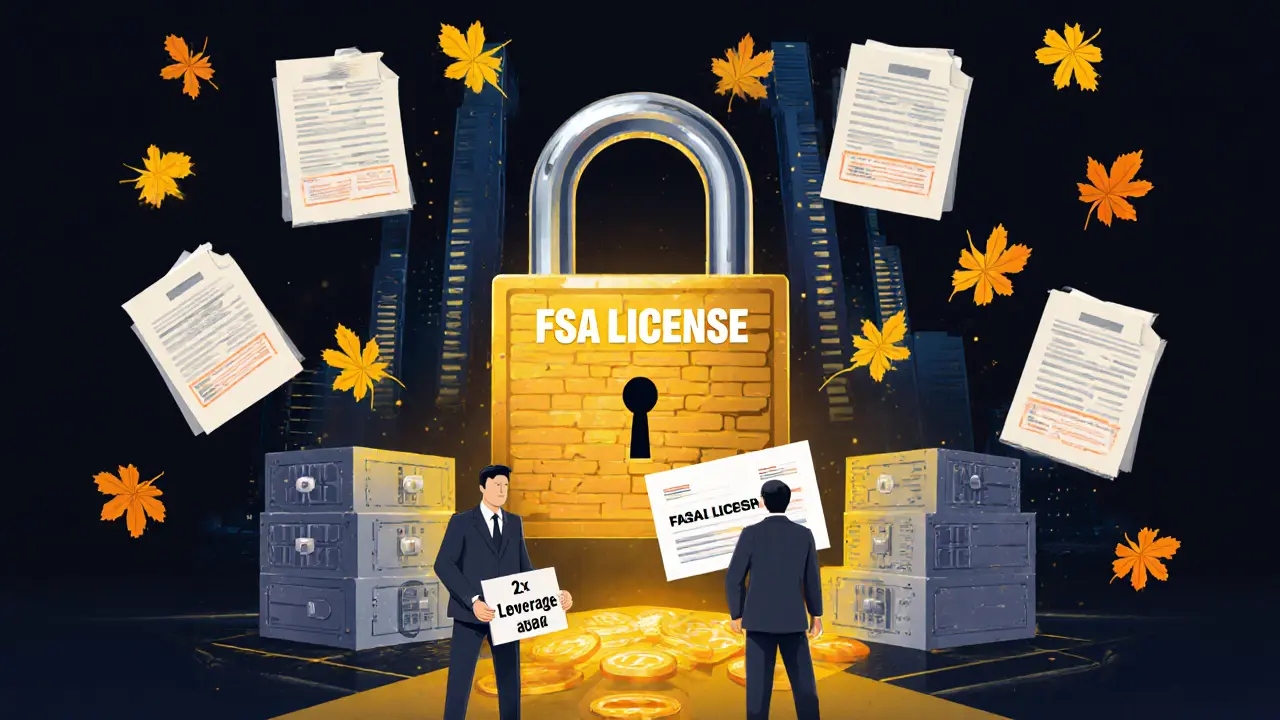
South Korea's FSC has transformed crypto from a restricted activity into a regulated financial sector. Learn how real-name accounts, ETFs, corporate holdings, and the 2025 Virtual Asset Law are reshaping the market.
Margin trading in crypto can multiply profits but also wipe out your account. Learn how leverage works, why most traders lose, and how to trade safely without getting liquidated.
Costa Rica doesn't recognize crypto as legal tender, but it's not banned either. Learn how businesses operate in this gray zone, why banks refuse to work with crypto firms, and what the new regulations really mean for users and entrepreneurs.
Bitcoin uses SHA-256 because it's secure, deterministic, and computationally hard to reverse-perfect for Proof-of-Work mining. Despite concerns over ASIC centralization, no alternative has matched its 15+ years of proven reliability.
Bitcoin uses SHA-256 because it was the only hash function in 2008 that was secure, standardized, and battle-tested. It powers mining, secures transactions, and has never been broken-making it the unshakable foundation of the network.
State channels promised fast, cheap blockchain transactions but come with major drawbacks: you must stay online, lock up funds, and deal with complex disputes. They work only for two people and fail in most real-world scenarios.